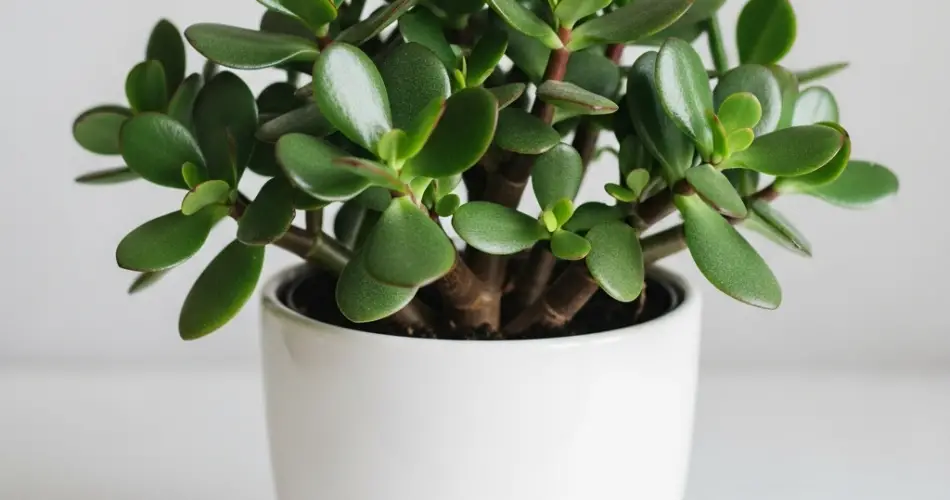
Jade plants (Crassula ovata) are beloved for their thick, glossy leaves and low-maintenance nature. These succulents are not only visually appealing but also symbolize good luck and prosperity in many cultures. While jade plants are slow-growing and don’t need frequent repotting, knowing when and how to refresh their pots is essential to keeping them healthy and thriving. Whether your jade is outgrowing its current container or showing signs of stress, repotting can give it new life. Here’s a complete guide on when and how to repot jade plants successfully.
When to Repot a Jade Plant
Jade plants don’t mind being slightly root-bound, but there are a few key signs that tell you it’s time to repot:
-
Roots are growing out of the drainage holes.
-
Water drains too quickly or too slowly, indicating poor soil structure.
-
Soil compacts easily and doesn’t retain water well.
-
Plant becomes top-heavy and unstable.
-
Leaves are dropping or turning yellow despite proper care.
Typically, repotting every 2 to 3 years is enough for a jade plant, but younger plants may benefit from more frequent soil refreshment. Spring or early summer is the best time to repot, as the plant is entering its active growth period.
Choosing the Right Pot
A suitable container is critical for a healthy jade plant. Here’s what to look for:
-
Material: Terracotta pots are highly recommended because they allow excess moisture to evaporate, reducing the risk of root rot.
-
Size: Choose a pot that’s 1–2 inches larger in diameter than the current one. Avoid going too large, as too much extra soil can retain water and harm the roots.
-
Drainage: Always use a pot with drainage holes. This is non-negotiable for any succulent, especially jade plants.
If you’re repotting for aesthetic reasons, feel free to use decorative planters—but only if you place a drainage-friendly nursery pot inside them.
Preparing the Soil
Jade plants require well-draining soil to mimic their native arid conditions.
Ideal mix:
-
2 parts cactus or succulent potting mix
-
1 part perlite or coarse sand for added drainage
Avoid standard garden soil or regular potting mixes that hold too much moisture. If you’re making your own mix, combining potting soil with pumice, perlite, and coarse sand works well.
How to Repot Your Jade Plant
Follow these step-by-step instructions to repot your jade safely:
-
Water in Advance: Water the plant a couple of days before repotting. This softens the soil and reduces stress during the transfer.
-
Remove from Old Pot: Gently tip the pot sideways and tap the sides to loosen the root ball. Hold the base of the plant and pull it out carefully.
-
Examine the Roots: Trim off any dead or mushy roots with sterile scissors. Healthy roots should be firm and white or light brown.
-
Let It Air Dry: If roots were trimmed, let the plant sit out of soil for a few hours or overnight to let the cuts callous over. This helps prevent rot.
-
Prepare the New Pot: Place a layer of fresh potting mix in the bottom of the new container.
-
Position the Plant: Set the jade plant in the center and fill in around the roots with more soil, pressing lightly to eliminate air pockets. Don’t bury the stem too deep—keep it at the same level as before.
-
Wait Before Watering: Let the repotted plant settle for a few days before watering. This reduces the risk of rot while the roots adjust.
Aftercare Tips
Once your jade plant has been repotted, give it a little time to adapt.
-
Hold off on fertilizing for about a month to avoid shocking the plant.
-
Place it in bright, indirect light to encourage new root growth.
-
Water sparingly—allow the soil to dry out between waterings.
Jade plants are resilient, but they do best when given time to recover from root disturbance.
Common Repotting Mistakes to Avoid
-
Using a pot that’s too big: Excess soil holds water and increases the risk of root rot.
-
Overwatering after repotting: Always let the plant settle before resuming your watering schedule.
-
Not inspecting the roots: Leaving decayed or damaged roots can lead to long-term issues.
-
Burying the stem: Too much soil around the base can cause stem rot.
Repotting is also a great time to propagate—if a healthy leaf or stem breaks off, let it dry and root it in fresh soil to grow a new plant.
Final Thoughts
Repotting jade plants is a simple yet vital part of long-term care. Done correctly, it encourages stronger roots, healthier growth, and a better-looking plant overall. With the right pot, proper soil, and good timing, your jade plant will continue to thrive and beautify your space for years to come. Whether you’re a beginner or seasoned indoor gardener, this rewarding step ensures your jade plant stays vibrant and full of life.


