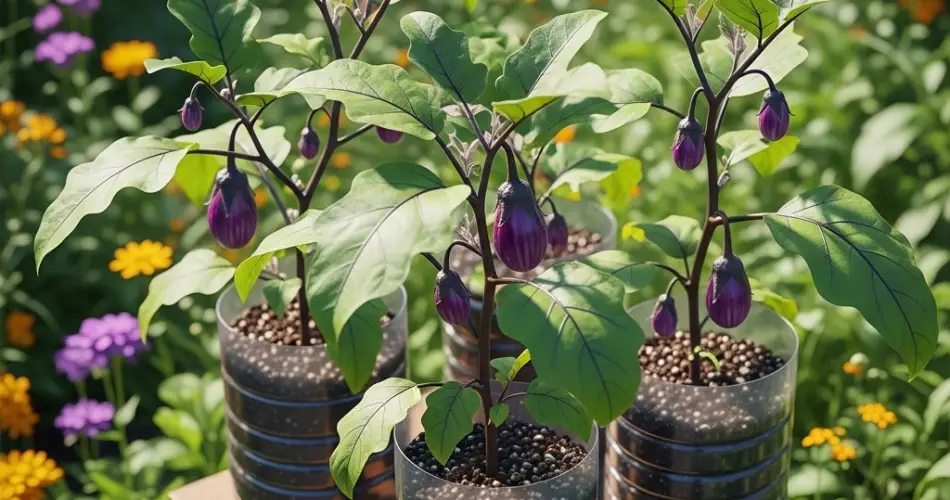
Eggplant is a warm-season crop that produces beautiful, glossy fruits and thrives in containers when given the right care. For those with limited space—whether living in apartments, urban homes, or properties with no garden beds—growing eggplants in plastic containers is a practical and rewarding solution.
This space-saving gardening method uses repurposed plastic containers, making it not only accessible but also eco-friendly. With the right setup, you can enjoy a steady harvest of fresh eggplants from balconies, patios, rooftops, or even sunny windows.
Why Grow Eggplant in Containers?
Eggplant is well-suited to container gardening due to its relatively compact root system and vertical growth habit. When properly supported and pruned, the plant takes up minimal ground space. Container gardening also allows better control of soil quality, watering, and sun exposure, all of which are essential for a healthy, productive eggplant plant.
Reusing plastic containers keeps non-biodegradable waste out of landfills and gives a second life to everyday items like water jugs, food-grade buckets, or large soda bottles.
Best Varieties for Containers
Choose compact or dwarf eggplant varieties for best results in containers. Some great options include:
-
‘Little Finger’
-
‘Patio Baby’
-
‘Fairy Tale’
-
‘Ichiban’ (Japanese variety)
-
‘Black Beauty’ (requires a larger container but grows well in pots)
What You’ll Need
To begin your space-saving eggplant garden, gather the following:
-
Large plastic containers (minimum 5-gallon capacity for each plant)
-
Scissors, utility knife, or drill
-
High-quality potting soil or DIY mix
-
Organic compost or fertilizer
-
Eggplant seedlings or seeds
-
Support stakes or cages
-
A sunny spot (6–8 hours of direct sunlight per day)
-
Watering can or hose
Preparing the Containers
-
Choose the Right Size: Eggplant requires deep containers to develop strong roots. Use plastic buckets, tubs, or bottles that hold at least 5 gallons (approximately 18–20 liters).
-
Add Drainage Holes: Using a drill or heated nail, create 4–6 small holes at the bottom of each container to allow water to drain and prevent root rot.
-
Optional Support Setup: If you plan to use vertical space, prepare a cage, trellis, or stake to keep the plant upright as it grows and bears fruit.
Soil Preparation and Planting
Eggplant prefers rich, well-draining soil with a pH between 6.0 and 6.8. You can use a ready-made potting mix or create your own using:
-
2 parts compost
-
1 part coconut coir or peat moss
-
1 part perlite or coarse sand
Planting from Seed:
Start seeds indoors 6–8 weeks before the last frost. Once seedlings are 6–8 inches tall and outside temperatures are consistently warm, transplant them into your prepared containers.
Planting from Seedlings:
Dig a hole deep enough to bury the root ball. Place one seedling per container, firm the soil around it, and water well.
Care and Maintenance
-
Sunlight: Eggplants need at least 6–8 hours of direct sunlight daily. Place containers in the sunniest area available.
-
Watering: Keep the soil evenly moist but not soggy. Water when the top inch of soil feels dry. In hot weather, daily watering may be necessary.
-
Feeding: Apply a balanced organic fertilizer every 2–3 weeks. Once flowering begins, switch to a bloom-boosting formula high in phosphorus and potassium.
-
Support: As the plant grows and begins to bear fruit, support it with stakes or a small trellis to prevent it from tipping or breaking under the weight of the eggplants.
-
Pruning: Remove lower leaves and any suckers (side shoots) to improve airflow and focus the plant’s energy on fruit production.
Pest and Disease Tips
Common pests include aphids, flea beetles, and spider mites. To manage them:
-
Spray plants with neem oil or soapy water.
-
Use insect netting or row covers for added protection.
-
Check leaves regularly for signs of holes, yellowing, or curling.
Prevent fungal diseases by ensuring proper drainage and spacing between plants to encourage airflow. Avoid overhead watering to minimize leaf wetness.
Harvesting Eggplant
Eggplants are typically ready to harvest 60–80 days after transplanting. The fruits should be firm, glossy, and evenly colored. Harvest them before the skin becomes dull and seeds harden, which can result in a bitter taste.
Use scissors or garden shears to cut the fruit, leaving a short stem attached. Avoid pulling or twisting, as this can damage the plant.
Regular harvesting encourages the plant to produce more fruits throughout the season.
Final Thoughts
Growing eggplant in reused plastic containers is an excellent way to practice sustainable gardening while maximizing small spaces. It allows you to enjoy homegrown vegetables even in compact urban settings. With a bit of preparation, the right variety, and consistent care, you’ll be rewarded with a bountiful harvest of fresh, flavorful eggplants—straight from your balcony or windowsill garden.
Whether you’re a beginner or a seasoned gardener, this container method offers a satisfying and eco-conscious way to grow your own food with minimal space and maximum results.


