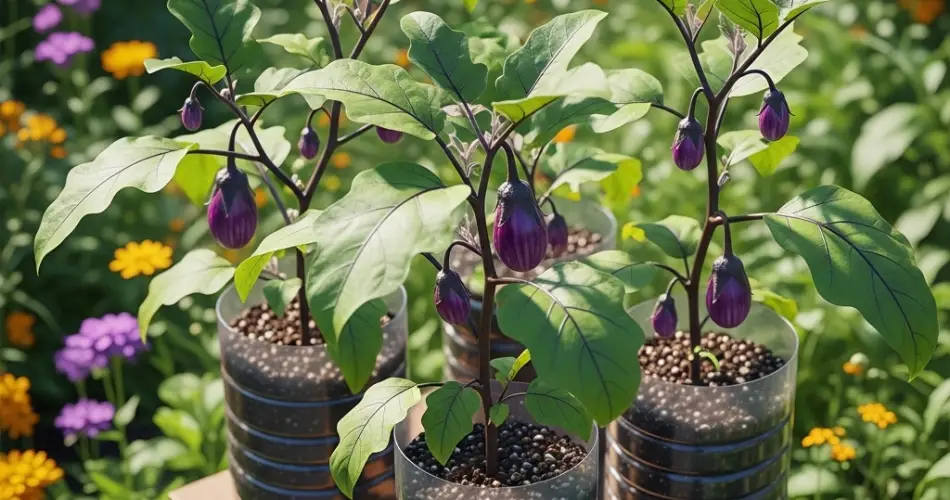
Eggplant is a warm-season vegetable known for its rich flavor and versatility in the kitchen. While it’s often grown in garden plots, you can successfully raise eggplants in repurposed plastic bottles—even in the smallest spaces. With the right variety and care, this upcycled container method allows you to go from bottle to table with homegrown eggplants that are just as delicious as those from a full-sized garden.
Whether you’re growing on a balcony, windowsill, rooftop, or patio, bottle gardening offers a compact and eco-friendly way to enjoy fresh produce while reducing plastic waste.
Why Grow Eggplants in Bottles?
Plastic bottles are widely available and easy to adapt into small, efficient planters. Using them to grow eggplants helps save money, reduce landfill waste, and make gardening accessible to people with limited space. Compact eggplant varieties are perfect for container life and will thrive in a sunny spot with good soil and regular care.
Benefits include:
-
Reusing plastic bottles sustainably
-
No need for large pots or garden beds
-
Works well in indoor or outdoor environments
-
Perfect for beginner gardeners or urban dwellers
-
Provides fresh vegetables in a limited footprint
Choosing the Right Eggplant Variety
Not all eggplants are suitable for small containers. Choose compact or dwarf varieties bred specifically for pots:
-
Patio Baby – Produces small, deep purple fruits on compact plants
-
Little Fingers – Slender eggplants that grow in clusters
-
Fairy Tale – Purple-and-white striped fruits, highly ornamental
-
Thai Lavender Frog Egg – A petite variety great for small containers
These types are ideal for limited soil volume and still produce generously when well cared for.
Materials You’ll Need
-
1.5- to 2-liter plastic bottles (clean and dry)
-
Sharp scissors or a utility knife
-
Nail or screwdriver for drainage holes
-
Potting mix (light and well-draining)
-
Compost or slow-release organic fertilizer
-
Seeds or seedlings of dwarf eggplant
-
Sunny location with 6–8 hours of direct light
-
Optional: bamboo stick or small stake for support
Creating Bottle Planters
-
Cut the Bottle
Remove the top third of the plastic bottle to create a pot with an open mouth. For vertical setups, leave the base intact but cut an opening large enough for planting. -
Add Drainage
Use a nail or screwdriver to poke several holes in the base to allow excess water to drain. -
Prepare the Soil
Mix potting soil with compost or a slow-release fertilizer. Fill the bottle up to 1 inch from the top to prevent overflow during watering. -
Plant the Seeds or Seedling
Sow 1–2 seeds about 1/4 inch deep or transplant one seedling into each bottle. Gently press the soil around the base to stabilize the plant. -
Water Thoroughly
Keep the soil moist but not waterlogged. Water slowly so the soil absorbs it evenly and excess water can drain out freely.
Growing Conditions and Care
Eggplants love warmth and sunlight. Place your bottles in a location that receives 6 to 8 hours of full sun daily. If growing indoors, position bottles near a bright window or under a grow light.
Watering
Bottles dry out faster than traditional pots, so check the soil frequently. Water when the top inch feels dry. In hotter climates, daily watering may be necessary.
Fertilizing
Use a diluted organic liquid fertilizer every two weeks once the plant begins to flower. Avoid overfeeding, which can lead to lush leaves but fewer fruits.
Support
As the plant grows and begins to bear fruit, it may become top-heavy. Insert a thin bamboo stick or skewer into the bottle and tie the plant loosely to keep it upright.
Pollination
If growing indoors, help pollination by gently shaking the plant or using a soft brush to transfer pollen between flowers.
Harvesting Eggplants
Depending on the variety, eggplants are ready to harvest about 60 to 75 days after planting. Signs it’s time to harvest:
-
Fruits are glossy and deep in color
-
Skin is firm but not hard
-
Flesh gives slightly when pressed
-
Seeds inside are soft and not fully matured
Use scissors or garden shears to cut the fruit with a small stem attached. Avoid pulling or twisting to prevent damage to the plant.
Regular harvesting encourages continued fruit production. Don’t wait too long—overripe eggplants become bitter and seedy.
Reusing the Bottles
After the growing season or harvest, remove spent plants and roots from the bottles. Wash the bottles with warm water and soap to prevent disease buildup. Replace or refresh the potting mix before replanting.
You can repeat the growing cycle multiple times a year, especially in warm climates or indoors with lighting support.
From Bottle to Table
Once harvested, your homegrown eggplants can go straight to your kitchen. Grill them with olive oil, roast them with garlic, or dice them for stir-fries and stews. Freshly harvested eggplants have a firmer texture and better flavor than many store-bought options, making your garden-to-plate experience all the more rewarding.
Final Thoughts
Growing eggplants in plastic bottles is an easy, space-saving, and sustainable way to enjoy fresh vegetables at home. From preparation to harvest, the process is simple and beginner-friendly. With the right variety, care, and a sunny spot, you can transform an ordinary bottle into a mini eggplant planter—and enjoy the delicious results right at your table.


