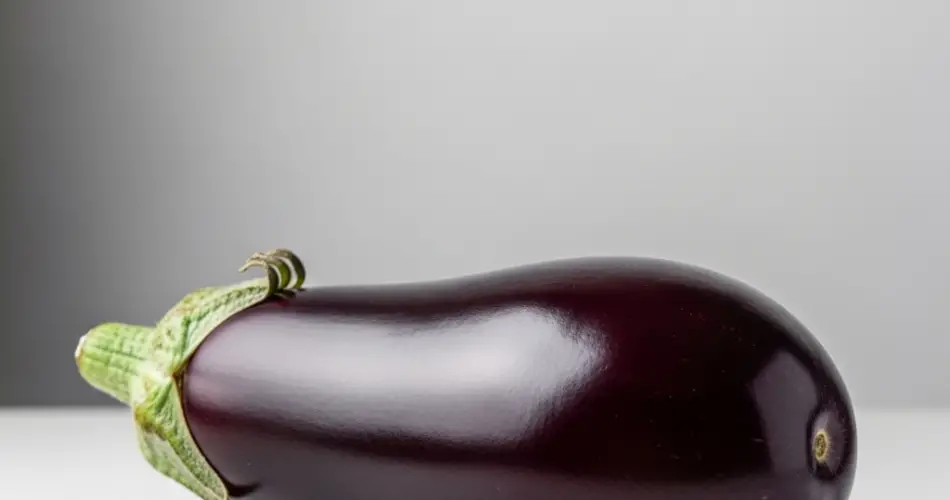
Growing eggplants doesn’t require a garden or even large containers. With a little creativity and the use of recycled plastic bottles, you can grow healthy, productive eggplants vertically—even in tight spaces. This method is perfect for small balconies, sunny patios, and walls with vertical gardening potential. It’s cost-effective, environmentally friendly, and surprisingly simple to set up.
Eggplants, also known as aubergines, are heat-loving vegetables that thrive in containers when given proper care. By using hanging bottles as planters, you maximize vertical space and create a unique growing system that is both decorative and productive.
Why Use Hanging Bottles for Eggplant?
Vertical gardening with hanging bottles offers several benefits:
-
Saves space – ideal for urban dwellers or apartments with no garden beds
-
Reduces waste – reuses plastic bottles that would otherwise be discarded
-
Enhances air circulation – helps reduce the risk of soil-borne diseases
-
Makes maintenance easier – easier access for watering and harvesting
-
Portable and adjustable – easy to move based on light and weather conditions
When set up properly, this method allows you to grow healthy eggplants in areas that would otherwise be unused, like walls, railings, or even hanging racks.
Materials You’ll Need
-
1.5- to 2-liter plastic bottles (one per plant)
-
Sharp scissors or utility knife
-
Heated nail or drill (for making holes)
-
Strong rope, wire, or twine for hanging
-
Potting mix or DIY soil blend
-
Eggplant seedlings or seeds
-
Liquid organic fertilizer (optional)
-
Sunny location (minimum 6 hours of sunlight daily)
Preparing the Hanging Bottle Planters
-
Clean the Bottles: Wash each bottle thoroughly and remove any labels.
-
Cut the Planting Opening: Cut a rectangular opening on one side of the bottle large enough to accommodate soil and the plant. Leave the rest of the bottle intact for strength.
-
Create Drainage Holes: Use a heated nail or drill to poke 4–5 holes at the bottom of each bottle. This prevents waterlogging and root rot.
-
Add Hanging Support: Punch two holes near the top of the bottle and insert rope, twine, or wire through them. Secure the ends to create a hanging loop. Bottles can be hung vertically from a frame, balcony railing, or wall hook.
-
Optional: For increased airflow, make a few small holes along the sides of the bottle.
Soil and Planting
Eggplants require rich, well-draining soil. A suitable potting mix can be made using:
-
2 parts compost
-
1 part coconut coir or peat moss
-
1 part perlite or coarse sand
Planting Tips:
-
If using seedlings, carefully transplant one seedling into each bottle once the soil is filled about ¾ full.
-
If planting seeds directly, sow two seeds per bottle and thin to one healthy seedling later.
-
Press the soil down gently and water thoroughly.
Growing Conditions
-
Light: Eggplants need 6–8 hours of full sun per day. Hang your bottles in a location that receives maximum sunlight—ideally south-facing.
-
Watering: Hanging containers dry out faster than ground pots. Check soil moisture daily and water whenever the top inch feels dry.
-
Feeding: Use a diluted organic fertilizer or compost tea every 2–3 weeks once the plants start flowering.
-
Support: As eggplants grow, their stems and fruits get heavy. Tie the plant gently to a stake or vertical support inserted in the bottle to prevent breakage.
Maintenance and Care
-
Pruning: Remove suckers (small side shoots) to encourage airflow and better fruit production.
-
Pollination: Eggplant flowers are self-pollinating, but gentle shaking or hand-pollination can improve fruit set, especially in low-wind environments.
-
Pests: Watch for aphids, spider mites, and flea beetles. Use neem oil or insecticidal soap as a natural solution.
-
Airflow: Make sure bottles are spaced adequately so air can circulate around the plants to reduce fungal issues.
Harvesting Your Eggplants
Eggplants are usually ready for harvest 60–80 days after transplanting. Pick the fruits when they are glossy, firm, and about 5–8 inches long, depending on the variety.
Use scissors or pruners to cut the stem cleanly, leaving a small portion attached to the fruit. Avoid pulling or twisting the fruit as this may damage the plant. Regular harvesting encourages the plant to produce more fruit throughout the season.
Best Eggplant Varieties for Bottles
Choose compact, container-friendly varieties such as:
-
‘Patio Baby’ – ideal for small containers, produces tender mini eggplants
-
‘Little Finger’ – slender fruits perfect for vertical systems
-
‘Ichiban’ – a Japanese variety that grows well in confined spaces
-
‘Fairy Tale’ – decorative and edible, with striped purple fruit
Final Thoughts
Growing eggplants in hanging bottles is a creative way to garden vertically while making use of plastic waste. It’s perfect for those who want fresh, homegrown vegetables but don’t have the luxury of traditional garden space. With minimal investment and just a bit of maintenance, you can harvest delicious eggplants right from your balcony or wall.
This method is not only practical and productive but also a beautiful display of sustainable, space-saving gardening. Give it a try and transform your vertical space into a living wall of fresh food.


