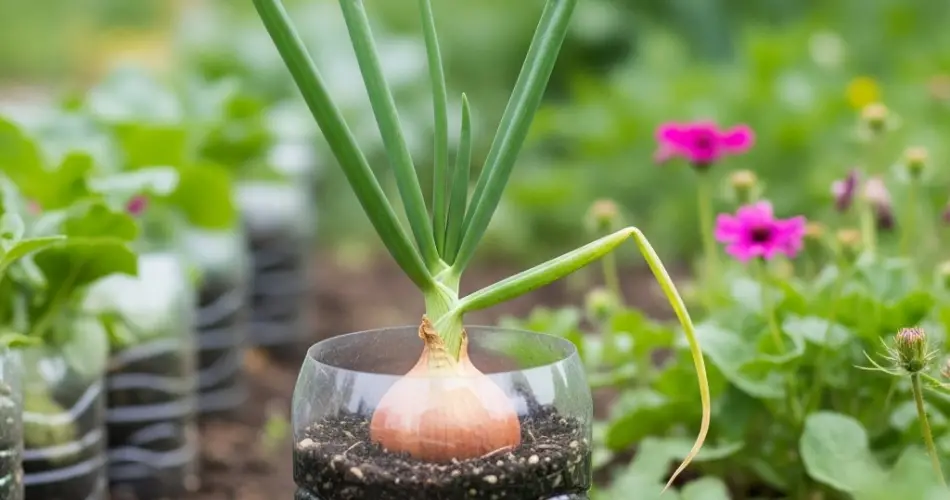
Growing onions in plastic bottles is a clever and space-saving gardening method that allows you to produce fresh bulbs and greens at home, even without a garden. Whether you’re planting on a balcony, a windowsill, or in a small backyard, this method is ideal for beginners and urban gardeners who want to reuse plastic waste while enjoying a steady supply of onions.
Once you’ve planted and cared for your onions in bottles, the next step is knowing when and how to harvest them. Whether you’re collecting green onion tops or waiting for mature bulbs, harvesting onions correctly ensures the best flavor and continued growth.
Why Use Bottles for Growing Onions?
Reusing plastic bottles for gardening helps reduce waste while making the most of small vertical or horizontal spaces. Onions, especially green onions (scallions), are well-suited to bottle planting because they have shallow roots and don’t need much space to grow.
Advantages of growing onions in bottles include:
-
Compact and vertical gardening
-
Perfect for balconies, patios, or sunny indoor spots
-
Cost-effective and eco-friendly
-
Easy access to fresh onion greens and bulbs year-round
Understanding Onion Growth Stages
Before harvesting, it’s important to know what stage your onions are in. There are two main types of harvest from bottle-grown onions:
-
Green Onion Tops (Scallions)
These are the long, slender green leaves that grow quickly after planting. They can be trimmed and used just like chives or spring onions. -
Mature Onion Bulbs
These develop over a few months and are harvested when the onion forms a round bulb at the base.
Depending on your needs, you may choose to harvest greens regularly or wait until full bulbs form.
When to Harvest Onions from Bottles
1. Harvesting Green Onion Tops
-
Green shoots appear within 1–2 weeks after planting.
-
Once the leaves reach 6 to 8 inches tall, they can be cut.
-
Use clean scissors to snip the leaves about 1 inch above the base. Avoid cutting too low to allow regrowth.
-
Greens can be harvested multiple times from the same plant.
Green onion tops are great for garnishing dishes, adding to salads, or using in stir-fries. Regular trimming encourages healthy regrowth for continued harvesting.
2. Harvesting Mature Onion Bulbs
-
Onion bulbs usually form within 3 to 4 months of planting, depending on the variety and growing conditions.
-
When the green tops begin to yellow, wilt, and fall over, it’s a signal that the bulb has finished growing.
-
Stop watering at this stage and wait another 7–10 days to allow the outer layers to dry.
If you’re growing bulbs in upright bottles (with multiple layers), you may need to cut or peel back the bottle to harvest them without damaging the plant.
How to Harvest Onion Bulbs from Bottles
-
Loosen the Soil
Gently shake the bottle or squeeze the sides to loosen the soil around the bulb. Be careful not to break or bruise the onions. -
Remove the Onion
Pull the onion gently by its base. If it resists, use a small tool or spoon to help lift it out from below. -
Clean Gently
Brush off excess soil but avoid washing the bulbs until they are ready to be used or cured. -
Cure for Storage
If you want to store your onions, lay them in a dry, airy spot out of direct sunlight for about 2 weeks. This allows the skins to dry and harden, making them suitable for long-term storage.
Reusing the Bottle Planters
After harvesting, you can reuse the bottles for another round of onion planting or for other crops. To reuse:
-
Remove old roots and leftover debris.
-
Wash the bottle with warm soapy water.
-
Replace with fresh potting mix or enrich the existing soil with compost.
If you planted from kitchen scraps (like onion bottoms), you can start the cycle again with new cuttings.
Tips for Success
-
Choose the right onion variety. Green onions, bunching onions, and small bulb onions do best in confined spaces.
-
Plant at different times to enjoy continuous harvests. Stagger your planting every 2–3 weeks.
-
Avoid overwatering. Bottles don’t drain as well as garden beds, so always check soil moisture.
-
Harvest greens selectively. Don’t remove all the leaves at once to allow the plant to recover.
-
Label your bottles. If you’re growing multiple varieties, it helps to track maturity time.
Final Thoughts
Harvesting onions from bottle planters is a satisfying and practical way to grow your own food at home. Whether you’re cutting fresh greens for your dishes or pulling up full bulbs for the pantry, bottle-grown onions offer flavor, convenience, and sustainability in one tidy package. With the right care and timing, your mini onion garden can keep producing for months, proving that even a plastic bottle can be the starting point for a bountiful harvest.


