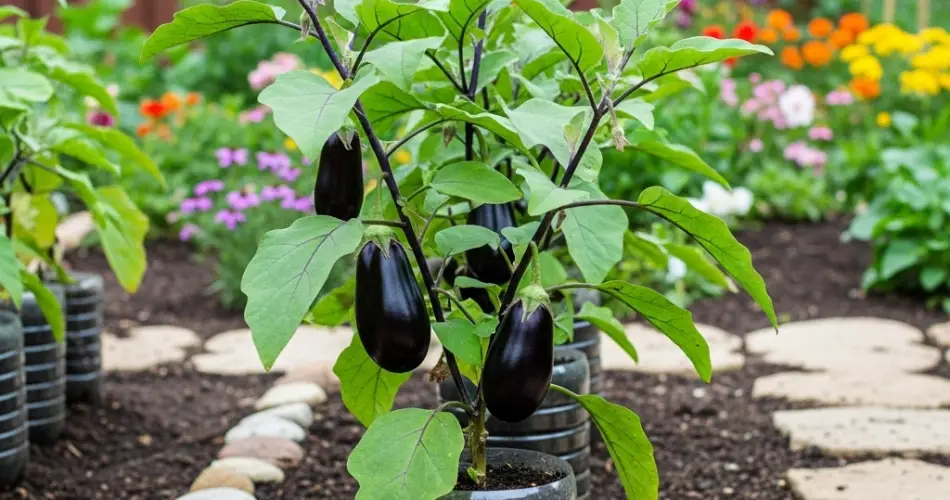
Eggplant is a versatile vegetable used in cuisines around the world. Whether roasted, grilled, or stewed, its rich, creamy texture makes it a favorite in many kitchens. Fortunately, growing eggplants at home doesn’t require a large garden. With a few recycled plastic bottles, you can create mini planters to grow your own eggplants—even in tight spaces like balconies, patios, or sunny kitchen corners.
This DIY method is simple, eco-friendly, and cost-effective, making it perfect for beginner gardeners and anyone interested in upcycling household waste into something productive.
Why Grow Eggplants in Bottles?
Plastic bottles are widely available and easy to repurpose. Instead of ending up in the landfill, they can serve as compact, functional containers for gardening. While eggplants typically require larger pots for full growth, smaller varieties and dwarf cultivars can thrive in modified bottles—especially when placed in warm, sunny spots.
Benefits of using bottles for growing eggplants:
-
Recycles plastic waste
-
Saves space and money
-
Ideal for small-scale or balcony gardening
-
Allows for creative vertical or hanging garden designs
-
Encourages sustainable gardening practices
Best Eggplant Varieties for Bottles
Not all eggplants are suitable for growing in bottle planters, but several smaller or dwarf types work well:
-
Patio Baby: A compact variety that produces small fruits on short plants
-
Thai Lavender Frog Egg: Produces tiny egg-shaped fruits, ideal for containers
-
Fairy Tale: Known for its striped purple fruit and bushy growth habit
-
Little Fingers: Slim, dark purple fruits on compact plants
Look for seeds labeled “container-friendly,” “miniature,” or “dwarf” when shopping.
Materials You’ll Need
-
2-liter plastic bottles (washed and clean)
-
Scissors or utility knife
-
Nail or screwdriver for drainage holes
-
Good-quality potting mix
-
Compost or organic fertilizer
-
Dwarf eggplant seeds or seedlings
-
Sunny location (6–8 hours of sun)
-
Optional: string, wire, or wooden frame for support
Preparing the Bottles
-
Clean and Cut the Bottle
Wash the bottle thoroughly and remove the label. Cut off the top third of the bottle to create a wide opening for planting. Save the top if you want to use it as a humidity dome during germination. -
Add Drainage Holes
Use a screwdriver or nail to poke 4–6 holes in the bottom of the bottle. This ensures proper drainage and prevents water from collecting at the base. -
Create Hanging or Support Options (Optional)
Punch two holes near the rim if you plan to hang the bottles or secure them to a frame. Twine, wire, or hooks can be used to suspend them vertically.
Planting Instructions
-
Add Soil
Fill the bottle with a well-draining potting mix. Add compost or slow-release organic fertilizer to provide nutrients. Leave about an inch of space from the top for watering. -
Sow Seeds or Transplant Seedlings
If sowing seeds, plant 1–2 seeds per bottle at a depth of ¼ inch. Keep the soil moist during germination. If transplanting a seedling, gently place it in the soil and firm it in. -
Water Gently
Water thoroughly after planting, allowing excess water to drain through the holes. Avoid overwatering, especially while the plant is small.
Light and Placement
Eggplants are sun-loving vegetables. They need 6–8 hours of direct sunlight per day to thrive. Place the bottles on a bright balcony, windowsill, or patio. If growing indoors, consider supplementing with LED grow lights positioned above the plants.
Ongoing Care
-
Watering: Keep the soil moist but not soggy. As plants grow, their water needs will increase—especially in warm weather.
-
Feeding: Apply a balanced organic liquid fertilizer every 2–3 weeks to encourage healthy growth and fruiting.
-
Staking: As eggplants mature, they may need support. Use sticks or bamboo skewers in the bottle, and tie the plant loosely as it grows.
-
Pollination: If grown indoors, gently shake the flowers or use a soft brush to transfer pollen for better fruit development.
Harvesting Your Eggplants
Miniature eggplant varieties are typically ready to harvest in 60–70 days after planting. Harvest the fruit when it’s glossy and firm—before it becomes dull or overripe. Use scissors or pruning shears to cut the stem, avoiding damage to the plant.
Regular harvesting encourages the plant to produce more fruit over time.
Replanting and Reusing
After harvesting, you can refresh the soil and replant in the same bottle. Remove old roots, add new compost, and start again with fresh seeds or seedlings. Bottles can be reused for multiple growing cycles if cleaned properly between uses.
Final Thoughts
Turning plastic bottles into mini eggplant planters is a fun, sustainable way to grow fresh vegetables at home. It’s an excellent solution for gardeners with limited space, offering a chance to enjoy homegrown produce without needing a large plot of land. With a sunny spot, a few simple materials, and a bit of care, you can transform waste into a productive mini garden—one bottle at a time.


