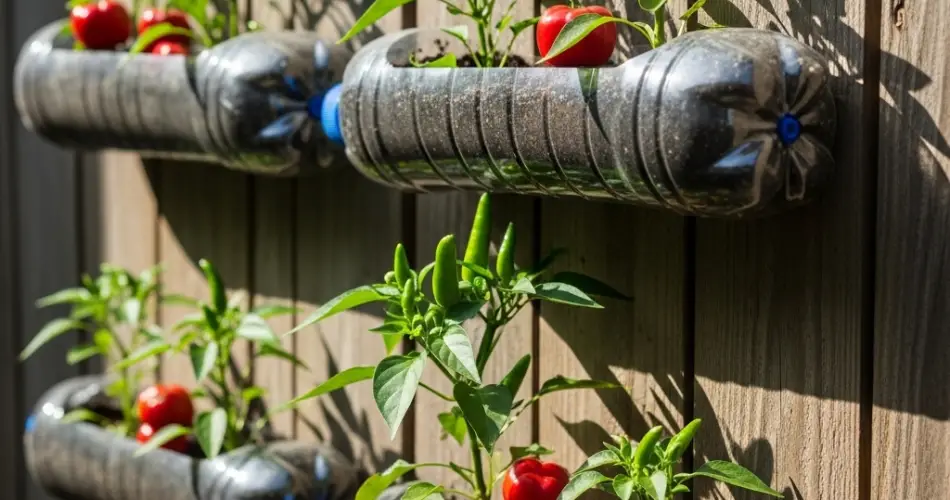
Chili peppers bring heat, flavor, and vibrant color to the kitchen, and they’re surprisingly easy to grow—even if you don’t have a traditional garden. With a little creativity, you can cultivate them in recycled plastic bottles mounted on a wall or vertical frame. This method is perfect for small urban spaces, balconies, courtyards, or any home that could use a burst of greenery and spice.
Why Grow Chilies in Bottle Gardens?
Growing chilies in vertical bottle gardens makes the most of unused space while creating an attractive, productive feature. It’s ideal for people with no yard or limited ground area, turning a bare wall into a living tapestry of green leaves and ripening peppers.
This approach has other benefits too. Elevating the plants improves airflow, which can reduce fungal issues and pest problems. It also makes tending and harvesting easier since the plants are at a comfortable working height. Additionally, using recycled bottles as planters is eco-friendly, giving new purpose to plastic waste.
Choosing the Right Chili Varieties
While most chili plants adapt well to container growing, compact or dwarf varieties are particularly suited for bottle planters. They require less root space and still produce an abundant harvest. Some excellent options include:
-
Thai Bird’s Eye – Small, fiery peppers ideal for cooking.
-
Cayenne – Long, slender fruits with medium heat.
-
Numex Twilight – Decorative and colorful, with peppers that turn from purple to red.
-
Prairie Fire – Compact and prolific, great for small spaces.
If you enjoy a range of flavors, plant a mix of varieties for both visual appeal and culinary versatility.
Preparing the Plastic Bottles
Two-liter soda bottles or similar containers work well for chili gardening. Wash them thoroughly, remove labels, and cut a rectangular opening on the side for planting. Keep enough of the bottle’s structure intact to hold soil securely.
Drill small drainage holes at the bottom to prevent water buildup. If you’re stacking bottles vertically, drill a small hole in the cap so that excess water from the upper bottles can trickle down to the ones below, creating a simple irrigation chain.
Building the Vertical Garden Structure
Your chili bottle garden needs a sturdy support to hold the weight of soil, water, and growing plants. You can use:
-
A wooden pallet mounted to a wall.
-
A metal mesh frame secured to a fence.
-
A custom-built freestanding stand made from PVC pipes or timber.
Arrange bottles with the cut opening facing outward, securing them to the frame with wire, cable ties, or screws. Allow enough space between each bottle—about 25 to 30 cm—to ensure that plants have room to grow and receive adequate sunlight.
Planting Your Chilies
Fill each bottle with a high-quality potting mix blended with compost. Avoid heavy garden soil, which can compact and limit root development. Chilies prefer a well-draining medium rich in organic matter.
You can start from seed or use seedlings. If starting from seed, plant 2–3 seeds per bottle and thin to the strongest seedling after germination. If transplanting, plant one healthy seedling per bottle. Position your vertical garden in a sunny spot, as chilies need at least 6–8 hours of direct sunlight daily.
Caring for Bottle-Grown Chilies
Chilies thrive in consistently warm and sunny conditions. Keep the soil evenly moist but not soggy. Because bottle planters have less soil volume, they can dry out quickly—especially in hot weather—so check moisture daily.
Feed your plants regularly with a balanced liquid fertilizer every two weeks during the growing season. Once flowering begins, switch to a fertilizer higher in potassium to encourage fruit production.
Remove any yellowing or damaged leaves to maintain airflow and reduce the risk of disease. Pinching out the growing tips of young plants can also encourage bushier growth and more fruiting branches.
Managing Pests and Diseases
Common chili pests include aphids, whiteflies, and spider mites. Regular inspection is key—catching infestations early makes control easier. Use organic solutions such as neem oil or insecticidal soap to manage problems without harming beneficial insects.
For fungal issues like powdery mildew, ensure your vertical garden has good air circulation and avoid wetting the foliage when watering. If disease does appear, remove affected leaves promptly.
Harvesting Your Chilies
Depending on the variety, chilies can be harvested green or left to ripen to their final color, which may be red, yellow, purple, or orange. Harvesting regularly encourages the plant to produce more fruit.
Use scissors or pruning shears to cut peppers from the plant, avoiding damage to the stems. Handle hot varieties with care—wearing gloves can prevent skin irritation from capsaicin.
Creative Uses for Your Chili Bottle Garden
Beyond providing a steady supply of peppers, a chili wall garden adds vibrant visual appeal. You can plant in patterns, arrange varieties by color, or mix chilies with herbs or flowers for a decorative touch.
This type of garden also works well for gifting—imagine giving a friend a section of a living chili wall to start their own vertical garden. It’s a sustainable, beautiful, and practical gift that keeps on giving.
Final Thoughts
Bottle gardening is an innovative way to grow fiery chilies in tight spaces. It combines sustainability with functionality, turning discarded plastic into productive planters. With the right variety, proper care, and a sunny location, you can enjoy a colorful, spicy harvest right from your wall or balcony.
Whether you’re an avid chili lover or simply want to make the most of limited gardening space, this vertical method offers a rewarding and visually striking way to grow your own fresh peppers year-round.


