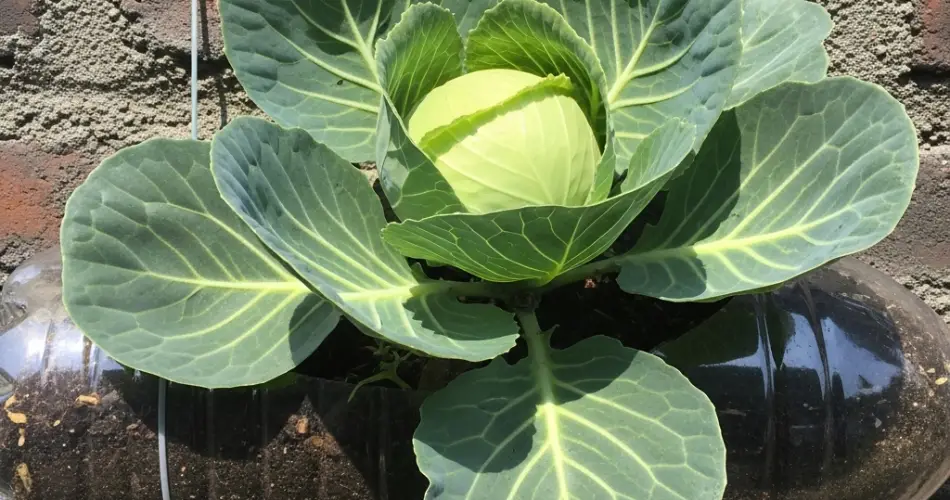
Growing fresh cabbage doesn’t require a sprawling vegetable garden or traditional planting pots. With a little creativity, you can cultivate this leafy vegetable in a small space using nothing more than a wall and some repurposed plastic bottles. This method is ideal for urban gardeners, balcony growers, or anyone looking to maximize limited space while minimizing costs. By transforming discarded bottles into planters, you can enjoy crisp, homegrown cabbage while reducing waste and keeping your gardening footprint minimal.
Choosing the Right Bottle
Select sturdy plastic bottles—preferably 1.5 to 2 liters in size—that can hold enough soil for the cabbage roots to develop. Clear bottles are fine, but if you want to reduce algae growth, you can opt for opaque ones or paint the outside to block sunlight. Make sure the bottles are clean and free from any residues that could harm your plants.
Preparing the Bottles
-
Cut an Opening:
Lay the bottle on its side and cut a rectangular or oval opening along the top large enough to plant your cabbage seedling. Leave the neck and base intact for stability. -
Create Drainage Holes:
Poke several small holes at the bottom for excess water to drain. Without proper drainage, roots can rot. -
Add Support Hooks or Strings:
Use strong wire, rope, or wall hooks to hang your bottles horizontally or vertically against a wall. Ensure they’re secure enough to hold the weight of the soil and the growing plant.
Soil and Nutrients
Cabbage thrives in nutrient-rich, well-draining soil. Mix equal parts garden soil, compost, and coarse sand or perlite. The compost will supply essential nutrients, while the sand or perlite improves aeration and drainage.
For best results, blend in an organic slow-release fertilizer before planting. Cabbage is a heavy feeder, so a nutrient boost at the start will support strong leaf development.
Planting Your Cabbage
You can either sow seeds directly into the bottle or transplant seedlings. If starting from seeds:
-
Place 2–3 seeds in the prepared soil, cover lightly, and water gently.
-
Once the seedlings are about 8–10 cm tall, thin them to leave the healthiest one.
If using seedlings:
-
Make a small hole in the soil, place the seedling gently inside, and firm the soil around its base.
-
Water immediately after planting.
Watering and Care
In a wall-mounted bottle garden, soil can dry out faster than in ground beds. Check moisture daily, especially during hot weather. Cabbage prefers consistently moist but not soggy soil. Water gently to avoid washing away soil from the bottle’s opening.
Mulching with dry leaves, straw, or coco coir on the soil surface will help retain moisture and regulate temperature.
Sunlight and Temperature
Position your bottles on a wall that receives 4–6 hours of sunlight per day. Cabbage prefers cool to moderate temperatures, so if your area experiences intense midday sun, choose a spot with partial shade during peak hours.
Fertilizing for Healthy Growth
Once the plant starts forming a compact head, feed it with a diluted liquid fertilizer or compost tea every two weeks. This extra nutrition will support firm, healthy cabbage heads.
Pest and Disease Prevention
Because your cabbage will be elevated on a wall, it’s less prone to soil-borne pests. However, aphids and caterpillars can still appear. Inspect leaves regularly and remove pests by hand or use organic pest control sprays such as neem oil or garlic-infused water.
Good airflow around your bottle garden helps reduce the risk of fungal diseases. Avoid overcrowding bottles, and make sure water does not remain pooled on leaves for long periods.
Harvesting Your Cabbage
Cabbage is ready to harvest when the head feels firm to the touch and has reached the desired size. Use a sharp knife to cut it at the base, leaving some outer leaves intact. If conditions are favorable, smaller side shoots may sprout from the remaining stem, giving you a second, smaller harvest.
Benefits of Bottle Wall Gardening for Cabbage
-
Space Saving: Perfect for small patios, balconies, and walls.
-
Recycling: Gives new life to discarded plastic bottles.
-
Reduced Pests: Elevated plants are harder for crawling insects to reach.
-
Accessibility: Easier to maintain and harvest without bending or kneeling.
Final Tips
Consistency is key—monitor water levels, keep the soil nourished, and provide protection from harsh weather. By following these steps, you’ll have crisp, delicious cabbage growing right from your wall without the need for bulky containers. This simple, eco-friendly method turns unused vertical space into a thriving source of fresh greens.


