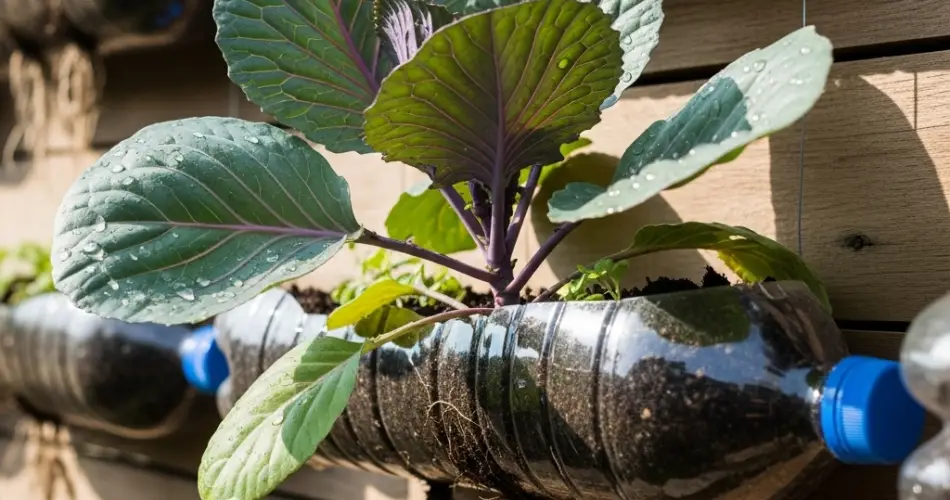
Cabbage is a versatile and nutritious vegetable that grows well in a variety of climates. Traditionally, it’s cultivated in open garden beds, where its large leaves have plenty of space to spread. However, with a little creativity, cabbage can also be successfully grown vertically using recycled plastic bottles. This method is perfect for those with limited ground space, such as urban gardeners, balcony growers, or anyone wanting to turn a bare wall into a living, productive feature.
Why Grow Cabbage Vertically?
Vertical gardening offers several practical advantages. By using plastic bottles mounted on a wall or frame, you make efficient use of unused vertical surfaces, freeing up ground space for other crops. Growing vertically also improves airflow around the plants, reducing the risk of fungal diseases that can thrive in crowded, damp conditions.
Another major benefit is convenience. Harvesting and tending to plants at eye level is easier than working at ground level, especially for those with mobility limitations. Additionally, keeping the plants off the ground helps reduce problems from soil-dwelling pests like slugs and cutworms.
And let’s not forget the aesthetic value—a wall covered in lush green cabbage heads is both beautiful and practical, adding a unique decorative element to your home or garden space.
Choosing the Right Cabbage Varieties
While most cabbage types can be grown in containers, compact or smaller-headed varieties work best for bottle planters. These are easier to manage in limited soil space and still produce excellent yields. Some good options include:
-
Golden Acre – Early maturing and compact.
-
Caraflex – Cone-shaped heads with sweet flavor.
-
Mini Savoy – Attractive texture and small size.
-
Red Express – Compact with vibrant color.
Choosing varieties that mature quickly can also allow for multiple harvests in a season, especially in cooler climates.
Preparing the Plastic Bottles
Two-liter soda bottles or similar-sized containers are ideal for this project. Wash them thoroughly and remove any labels. Cut a large opening on the side of each bottle to create a planting pocket, leaving enough of the structure intact to hold soil.
Next, poke several small drainage holes in the bottom to prevent waterlogging. If your wall garden design stacks bottles vertically, drill a small hole in the bottle cap to allow excess water to trickle down to the next row, creating a simple watering system.
Building the Vertical Structure
A sturdy wall or frame is essential to support the weight of soil, water, and growing cabbage plants. This could be a wooden pallet, a metal mesh frame, or a reinforced fence.
Arrange the bottles with the cut opening facing outward and secure them using wire, cable ties, or screws. Space them far enough apart to allow cabbage leaves to spread—about 30 to 40 cm between planting pockets is ideal.
If you’re working indoors or on a balcony, consider creating a freestanding vertical frame with PVC pipes or wooden boards. This allows for easy relocation if needed.
Planting Your Cabbage
Fill each bottle with a rich, well-draining potting mix blended with compost or aged manure. Avoid compacted garden soil, which can restrict root growth.
You can plant cabbage directly from seed or transplant seedlings started indoors. Plant one seedling per bottle to ensure enough room for growth. Cabbage prefers cool conditions, so aim to start your vertical wall in early spring or autumn for the best results.
Care and Maintenance
Cabbage is a heavy feeder, so regular fertilizing is important. Apply a balanced, slow-release fertilizer when planting, and boost growth with a liquid feed every two weeks during the growing season.
Water consistently to keep the soil evenly moist, but avoid overwatering. Bottle planters can dry out more quickly than ground beds, so check daily, especially during warm weather.
Remove any yellowing or damaged leaves to keep the plant healthy and to improve airflow. This also helps prevent pests and diseases from taking hold.
Pest and Disease Management
Common cabbage pests include aphids, cabbage loopers, and caterpillars. Since your plants are elevated, some pests will be less of a problem, but it’s still important to check leaves regularly. Handpick caterpillars or use organic insecticides like neem oil if infestations occur.
For disease prevention, proper spacing and good drainage are key. Rotate crops between seasons to avoid a buildup of soil-borne diseases, even if using fresh potting mix each time.
Harvesting
Depending on the variety, cabbage can take 60–90 days to mature. Harvest when the heads feel firm and reach the expected size for your chosen type. Use a sharp knife to cut the head from the stem, leaving the outer leaves and roots in place. In some cases, smaller secondary heads will develop, providing an additional harvest.
Final Thoughts
Wall gardening with plastic bottles is an inventive, space-saving way to grow cabbage, turning unused surfaces into productive greenery. By selecting compact varieties, providing proper care, and ensuring adequate support, you can enjoy a steady supply of fresh, crisp cabbage without needing a traditional garden plot.
This method is not only practical but also environmentally friendly, giving new life to discarded plastic bottles while producing healthy, homegrown food. Whether you’re working with a balcony wall, a backyard fence, or a custom frame, vertical cabbage gardening is a creative and rewarding project that makes the most of every inch of available space.


