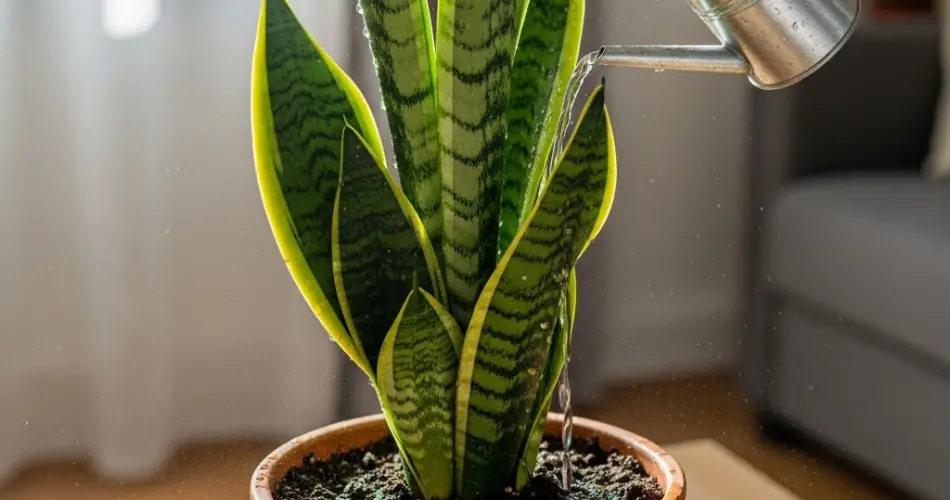
Snake plants (Sansevieria spp.), also known as mother-in-law’s tongue, are renowned for their low-maintenance nature, striking upright foliage, and incredible drought tolerance. But despite their hardy reputation, improper watering—especially overwatering—can be their downfall. Learning how to read the soil and understand your snake plant’s watering needs is essential for keeping it healthy and vibrant indoors.
This guide will walk you through the basics of soil moisture checking, how often snake plants typically need water, and the signs your plant might be getting too much or too little moisture.
Understanding the Snake Plant’s Natural Preferences
Native to dry regions of West Africa, snake plants are adapted to survive with minimal water. Their thick, succulent leaves store moisture, allowing them to go weeks without a drink. In indoor environments, this resilience makes them a popular choice for busy plant owners or beginners.
However, their ability to store water also means they are susceptible to root rot when left in consistently wet soil. Proper watering begins with knowing when the soil is actually dry enough to need water.
How to Check Soil Moisture the Right Way
Before you even think about picking up your watering can, take a moment to inspect the soil. There are a few simple methods to determine whether your snake plant is ready for watering:
1. The Finger Test
Stick your finger about 2 inches into the soil. If it feels completely dry at that depth, it’s time to water. If there’s still moisture, hold off and check again in a few days.
2. Use a Wooden Stick or Chopstick
Insert a wooden skewer or chopstick deep into the soil. Pull it out and examine the end:
-
If it comes out dry and clean, it’s time to water.
-
If it has moist soil clinging to it or appears darkened, wait longer.
3. Moisture Meters for Precision
For those who want more accuracy, a soil moisture meter is a handy tool. Stick the probe into the soil near the base of the plant. A reading of 1 to 2 (on most meters) typically indicates dry soil and the need for watering. Readings above 3 mean the soil is still moist.
When to Water Based on Conditions
Snake plants don’t follow a strict watering schedule. Instead, factors like room temperature, light exposure, humidity, and pot size all influence how quickly the soil dries out. Here are some general guidelines:
-
In warmer months (spring/summer): Water every 2–3 weeks, depending on how fast the soil dries.
-
In cooler months (fall/winter): Water less frequently—about once a month or even less, as the plant’s growth slows down and it uses less moisture.
Avoiding Overwatering Mistakes
Overwatering is the most common issue with snake plants and can lead to root rot and mushy leaves. Key signs your plant might be overwatered include:
-
Yellowing leaves starting from the base
-
Soft or mushy leaf texture
-
Foul smell coming from the soil
-
Blackened roots (if inspected)
To avoid these issues, always plant snake plants in well-draining soil—ideally a cactus or succulent mix—and use containers with drainage holes. Empty saucers or trays after watering to prevent water from pooling at the base.
Signs Your Snake Plant Needs Water
While snake plants are drought-tolerant, they do give subtle signs when they’re thirsty. Look out for the following:
-
Wrinkling or puckering of the leaves
-
Slight inward curling
-
Soil visibly pulled away from the pot’s edges
-
The pot feels unusually light when lifted
If you see these signs, perform a soil check first before watering to confirm dryness.
Best Watering Technique
When watering, pour directly into the soil around the base of the plant, not onto the leaves. Water thoroughly until you see water drain from the bottom. Then, let the plant sit undisturbed until the soil is dry again—this ensures deep root hydration while preventing rot.
Avoid misting the leaves or keeping the soil constantly damp. Snake plants prefer to dry out between waterings.
Final Tips for Snake Plant Success
-
Location matters: Bright, indirect light helps soil dry faster. In low light, water even less frequently.
-
Right pot, right soil: Use breathable containers (like terra cotta) and fast-draining soil to prevent excess moisture buildup.
-
Less is more: It’s safer to underwater than to overwater. Snake plants recover more easily from dryness than soggy roots.
Conclusion
Snake plants thrive on a simple watering principle: let the soil dry out fully before watering again. With regular soil checks and an understanding of your plant’s natural needs, you can easily keep your snake plant healthy, upright, and stunning all year round. By mastering when and how to water, you’ll avoid the most common problems and enjoy a trouble-free indoor plant companion.


