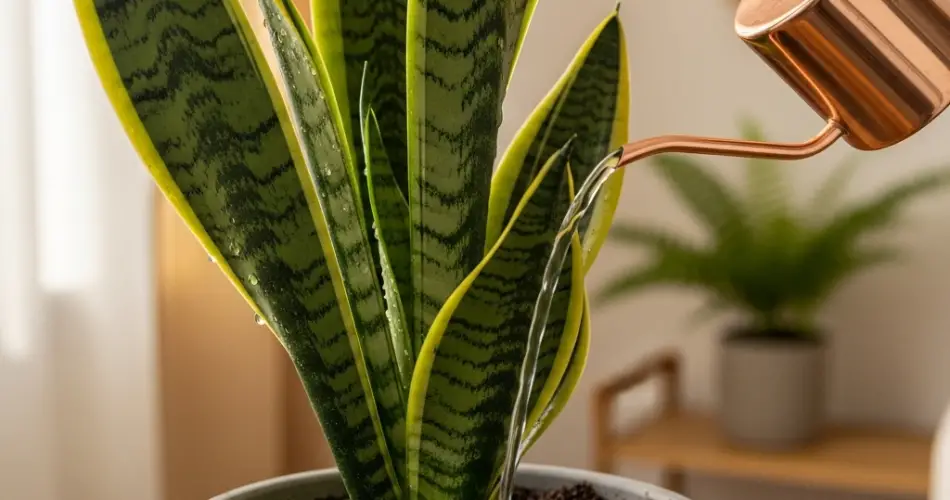
The snake plant (Sansevieria), also known as mother-in-law’s tongue, is a top choice for indoor gardeners thanks to its striking upright leaves and legendary tolerance for neglect. Among its most admired traits is its ability to thrive with minimal water. However, even a low-maintenance plant like the snake plant benefits from a smart watering strategy to keep it thriving instead of merely surviving.
Whether you’re a beginner or a seasoned plant parent, understanding the watering habits that suit this hardy plant is essential. Here’s how to master watering for snake plants and unlock their full potential—even in dry conditions.
Why Snake Plants Tolerate Drought So Well
Snake plants are native to arid and semi-arid regions of West Africa, where they adapted to survive long periods of drought. Their thick, fleshy leaves store water, acting like reservoirs that keep them hydrated for extended periods. This makes them ideal for people who forget to water or travel frequently.
However, this drought tolerance doesn’t mean they don’t need water at all. It means they need infrequent but proper watering.
The Ideal Watering Frequency
The golden rule of watering snake plants is: less is more.
-
In warmer months (spring and summer): Water every 2–3 weeks.
-
In cooler months (fall and winter): Water only once every 4–6 weeks.
Of course, these are general guidelines. Actual watering needs depend on factors such as temperature, humidity, light, and the plant’s size. Always check the soil before watering.
Soil Check Method
Before reaching for your watering can, use the “finger test.” Insert your finger about 2 inches into the soil. If it feels completely dry, it’s time to water. If it still feels slightly damp, wait a few more days.
You can also use a moisture meter if you want a more precise reading. Aim for soil that’s dry to moderately dry before you add water.
How to Water Snake Plants Properly
Snake plants don’t require complicated care, but the way you water them matters. Follow these steps for best results:
-
Water at the base: Pour water directly onto the soil, not the leaves, to prevent rot.
-
Avoid overwatering: Water just enough to moisten the soil—do not soak it.
-
Ensure drainage: Always use a pot with a drainage hole. Excess water should drain out freely.
-
Empty the saucer: Never let your snake plant sit in a pool of water. Standing water leads to root rot quickly.
Bottom watering (placing the pot in a tray of water and letting it absorb from the bottom) can also work well, but it must be done with caution to avoid excess moisture retention.
Warning Signs: Too Much or Too Little Water
Your snake plant will show clear signs if its watering needs are off:
Signs of Overwatering:
-
Yellowing leaves
-
Mushy, soft stems
-
Foul smell from the soil
-
Leaf tips turning black
Signs of Underwatering:
-
Wrinkled or curled leaves
-
Dry, brown edges
-
Slowed or stunted growth
Among these, overwatering is far more harmful. It’s better to underwater slightly than to overdo it.
The Role of Soil and Pot Material
The type of pot and soil you use affects how quickly water evaporates and how often you’ll need to water.
-
Soil: Use a well-draining mix. A cactus or succulent blend works perfectly. You can also make your own mix using potting soil, coarse sand, and perlite or pumice.
-
Pot type: Terracotta or unglazed ceramic pots are ideal because they allow excess moisture to evaporate through the sides. Plastic pots retain water longer, increasing the risk of overwatering.
Adapting Watering to Light Conditions
Snake plants can grow in low light, but in brighter conditions, they will use water more quickly. A plant near a sunny window will need watering more frequently than one tucked into a dim corner.
That said, avoid placing your snake plant in direct, scorching sunlight, as this can dry the soil too rapidly and stress the plant. Bright, indirect light is the sweet spot.
Extra Tips for a Thriving Snake Plant
-
Clean the leaves: Wipe them occasionally with a damp cloth to remove dust. This helps the plant breathe and photosynthesize efficiently.
-
Rotate the pot: Turn your plant every few weeks so it grows evenly toward the light.
-
Avoid misting: Snake plants do not need misting. Their leaves are not designed to absorb moisture this way, and excess humidity on the leaves can promote rot.
Conclusion
Snake plants are champions of resilience and style, making them perfect for homes, offices, and even forgetful plant owners. But while they tolerate dry conditions well, the right watering habits can help them go from merely surviving to truly thriving.
By sticking to a simple schedule, using the right soil and pots, and paying attention to your plant’s signals, you’ll ensure that your snake plant stays healthy and vibrant all year long.


