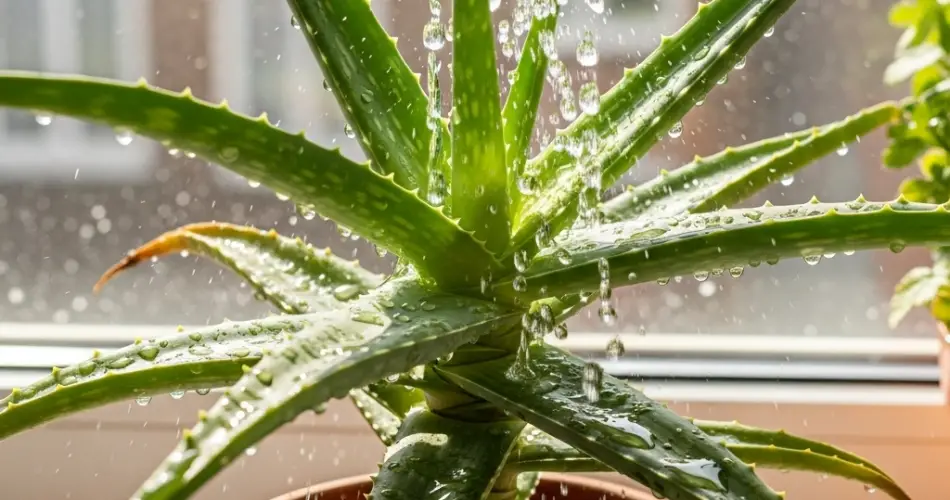
Aloe vera is one of the most beloved succulent plants, praised for its medicinal uses, sculptural leaves, and remarkably low-maintenance care. One of the most common questions among aloe growers is: how often should you water aloe vera, whether it’s growing indoors or outdoors?
The answer depends on several factors, including the plant’s environment, pot size, soil, and weather conditions. Understanding aloe vera’s water needs helps prevent the most common mistake—overwatering, which leads to root rot.
Let’s break down how to properly water your aloe vera plant whether it lives inside on a windowsill or outside on a patio or balcony.
Aloe Vera’s Natural Adaptation to Drought
Aloe vera is native to arid climates and desert environments. Its thick, fleshy leaves are designed to store water, helping the plant survive long dry periods. These adaptations make it highly drought-tolerant, and also make it susceptible to overwatering.
Aloe vera prefers to be underwatered rather than overwatered. When in doubt, wait a few more days before watering again.
General Watering Rule: Let It Dry
The golden rule for watering aloe vera—indoors or out—is to let the soil dry out completely between waterings.
For indoor aloe vera, this usually means watering once every 2 to 3 weeks, depending on light and temperature.
For outdoor aloe vera, especially in hot, dry climates, watering may be needed every 1 to 2 weeks.
Always check the soil before watering, rather than sticking to a strict schedule.
Soil Check: The Best Indicator
Checking soil moisture is the most reliable method to determine when to water your aloe vera.
-
Stick your finger 2 to 3 inches into the soil.
-
If the soil is completely dry at that depth, it’s time to water.
-
If it still feels damp, wait a few days and check again.
Alternatively, a moisture meter can give a quick, precise reading.
How to Water Aloe Vera Properly
It’s not just about when to water but how to water. Aloe vera prefers a deep, infrequent soak that thoroughly moistens the soil.
Steps for effective watering:
-
Water slowly and evenly until you see excess water draining from the pot.
-
Allow the pot to drain fully. Never let the plant sit in a saucer of standing water.
-
Empty any excess water from the catch tray after 15–30 minutes.
Bottom watering can be used occasionally, but always ensure the topsoil dries thoroughly afterward.
Pot and Soil Matter
Using the right pot and soil combination is essential for proper watering.
-
Soil: Aloe vera thrives in well-draining soil. Cactus or succulent potting mix works best. If using regular potting soil, amend it with sand, pumice, or perlite.
-
Pot: Choose a container with drainage holes. Terracotta pots are ideal because they allow excess moisture to evaporate quickly.
Avoid compacted, water-retentive soil, which encourages root rot.
Adjusting for Indoor vs. Outdoor Conditions
Indoor Aloe Vera:
-
Grows best in bright, indirect sunlight.
-
Needs less frequent watering due to stable indoor temperatures and lower evaporation.
-
Be cautious of placing aloe near cold drafts or heating vents, which can dry out the soil unevenly.
Outdoor Aloe Vera:
-
Loves full sun but may need protection from intense midday rays in extremely hot climates.
-
Watering frequency increases during the summer due to heat and faster soil drying.
-
In rainy seasons, reduce or stop watering altogether if the plant receives enough natural moisture.
Seasonal Changes and Watering
As temperatures and daylight hours change with the seasons, so should your aloe vera watering routine.
-
Spring and Summer: Active growing season. Water more frequently, typically every 1 to 2 weeks outdoors and every 2–3 weeks indoors.
-
Fall and Winter: Growth slows down. Water less frequently—once every 4 weeks or even longer, depending on conditions.
Always err on the side of caution and let the soil dry fully before each watering during winter months.
Signs You’re Watering Incorrectly
Aloe vera will show signs if it’s receiving too much or too little water:
Overwatering signs:
-
Mushy, soft leaves
-
Yellow or brown discoloration
-
Foul-smelling soil
-
Root rot (black, soggy roots)
Underwatering signs:
-
Leaves curl inward
-
Tips become brown and dry
-
Slowed or halted growth
-
Leaves may wrinkle or flatten
Correcting watering habits early can revive an ailing aloe plant.
Final Tips for Success
-
Water deeply, but infrequently.
-
Use well-draining soil and pots with drainage holes.
-
Let the soil dry out completely between waterings.
-
Adjust watering based on season and environment.
-
Observe your plant—it will tell you what it needs.
Conclusion
Watering aloe vera may seem simple, but doing it right makes all the difference between a thriving, vibrant plant and one struggling with rot or dehydration. Whether you grow it inside on a sunny windowsill or outside in a warm garden bed, letting your aloe dry out between waterings and adapting to seasonal changes ensures long-term health. With the right care, aloe vera will reward you with years of beauty and usefulness.


