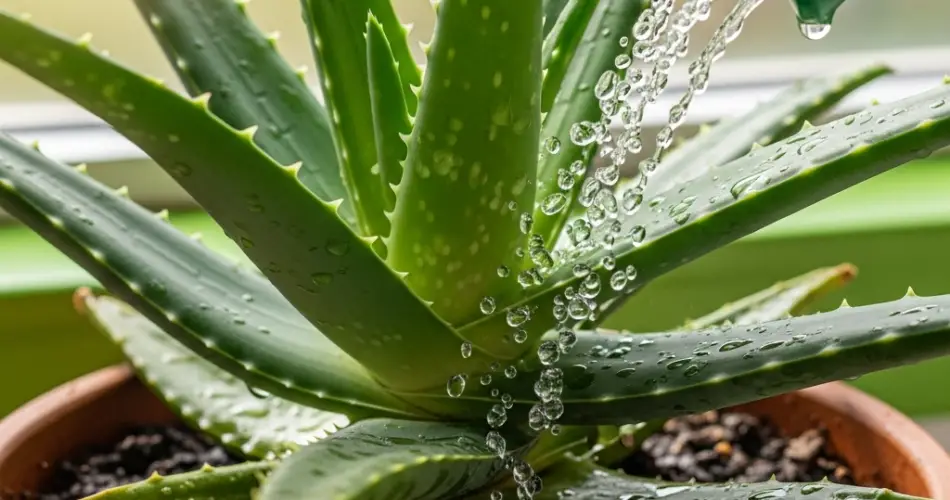
Aloe vera is celebrated not only for its soothing gel and medicinal benefits but also for being one of the easiest succulents to grow at home. While this desert-native plant is quite forgiving, there’s one mistake that can seriously harm it: improper watering and poor drainage. Keeping aloe healthy means understanding how water and roots interact and ensuring the plant never sits in soggy soil.
This article breaks down how to water aloe vera the right way, why drainage is essential, and how to set up the perfect environment to support strong, rot-free roots.
Why Aloe Vera Loves Dry Feet
Aloe vera is a succulent, meaning it stores water in its thick, fleshy leaves. It evolved in arid climates where rainfall is infrequent, so its roots are adapted to dry out quickly. Prolonged exposure to wet soil can suffocate the roots, leading to fungal infections and rot.
The secret to success with aloe isn’t how often you water but how well your soil drains and how fast excess moisture escapes the pot. Root health begins with a container and soil mix that promotes airflow and rapid drainage.
Choosing the Right Container for Drainage
Not all pots are created equal when it comes to aloe vera. Choose containers that have:
-
Drainage holes at the bottom: These are non-negotiable. Even if you’re using a decorative outer pot, make sure the inner pot allows water to escape.
-
Porous material: Terracotta and unglazed ceramic pots wick moisture away from the soil and help keep the root zone dry.
Avoid glass or metal containers without holes, as they can trap water and lead to root rot.
Soil Mix: Fast-Draining is Key
Use a potting mix specifically designed for succulents or cacti. These blends typically include a combination of:
-
Coarse sand or perlite for drainage
-
Peat or coco coir for lightweight moisture retention
-
Small gravel or pumice for airflow
If you’re mixing your own, combine two parts cactus soil with one part perlite or pumice. The goal is a loose, gritty texture that dries out quickly between waterings.
How Often Should You Water Aloe Vera?
Aloe doesn’t follow a weekly watering schedule. The best approach is to water only when the soil is completely dry. Here’s a simple routine:
-
Spring and summer (growing season): Water approximately every 2–3 weeks, depending on heat and humidity.
-
Fall and winter (dormant season): Water sparingly—once every 4–6 weeks may be sufficient.
Always adjust based on your specific indoor environment. Warm, sunny windows may dry the soil faster than shaded or humid spots.
How to Check Soil Moisture
Before watering, test the soil moisture by:
-
Inserting your finger: Push it 2–3 inches deep. If it feels dry all the way, it’s time to water.
-
Using a moisture meter: A reading of 1–2 typically means the soil is dry and ready for watering.
-
Lifting the pot: If the pot feels significantly lighter than usual, that’s another clue the soil is dry.
Avoid watering on a strict calendar—aloe prefers to be slightly neglected than over-pampered with moisture.
Proper Watering Technique
When it’s time to water, follow this process:
-
Water thoroughly: Pour water evenly around the base of the plant until it drains from the bottom of the pot. This encourages deep root growth.
-
Empty saucers: Don’t let your plant sit in standing water. Always discard runoff water collected in trays or outer pots.
-
Never mist the leaves: Aloe vera absorbs water through its roots, not its foliage. Misting can lead to fungal problems, especially in cooler environments.
Signs of Overwatering and Poor Drainage
Knowing when your aloe is in distress can help you adjust quickly. Watch for:
-
Soft, mushy, or translucent leaves
-
A foul smell from the soil
-
Brown or blackened root tips (if removed from the pot)
-
Mold or fungus on the soil surface
If you notice these symptoms, reduce watering immediately, check the soil for compacted wet spots, and repot into a dry, fast-draining mix if needed.
Encouraging Healthy Root Growth
Healthy aloe roots are firm and white or tan. To keep them in top condition:
-
Repot every 1–2 years, especially if roots start growing out of the drainage holes.
-
Trim away any dead or mushy roots when repotting.
-
Keep aloe in a sunny spot to help soil dry more quickly and encourage robust growth.
Final Thoughts
The key to a thriving aloe vera plant lies in mimicking its natural environment—sunny, dry, and well-drained. With the right pot, soil, and watering habits, you’ll avoid root rot and enjoy a plant that produces new growth and offshoots (pups) with ease. By focusing on drainage and watering only when needed, you ensure your aloe stays healthy, vibrant, and ready to offer its healing gel whenever you need it.


