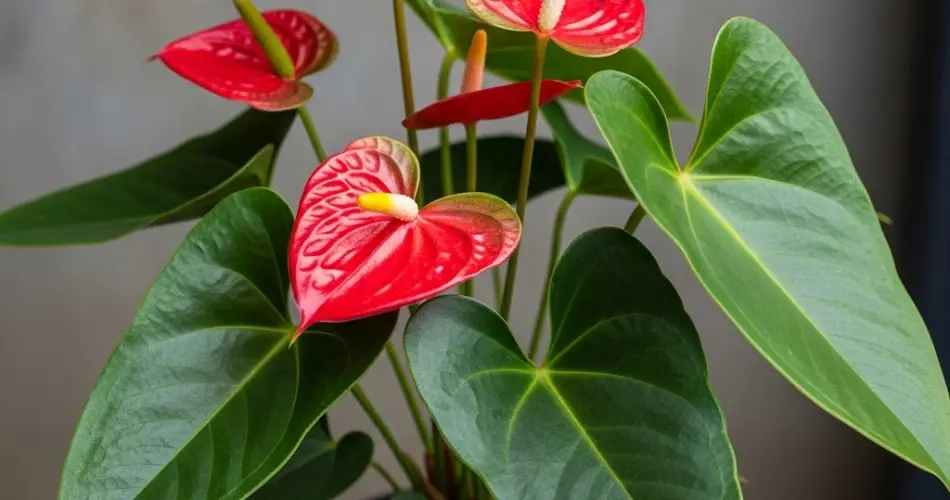
Anthuriums, with their glossy, heart-shaped leaves and vibrant spathes, are among the most striking indoor plants. To thrive and produce flowers consistently, these tropical plants require the right soil and potting mix. Unlike common houseplants, anthuriums need a well-draining, aerated substrate that mimics their natural environment in the rainforest understory. Using appropriate soil and potting techniques ensures healthy roots, strong foliage, and long-lasting blooms.
This guide explores the best soil and potting mix strategies to support anthurium success indoors.
Understanding Anthurium Soil Requirements
Anthuriums are epiphytic or semi-epiphytic in the wild, growing naturally on tree trunks or among loose forest debris. Their roots need both moisture and air circulation, which means traditional dense potting soil is unsuitable. The key characteristics of ideal anthurium soil include:
-
Well-draining: Excess water should flow freely to prevent root rot.
-
Aerated: Loose, chunky materials allow oxygen to reach the roots.
-
Moisture-retentive: While drainage is essential, the soil should still hold enough water to keep roots hydrated.
-
Slightly acidic: A pH of 5.5–6.5 encourages nutrient uptake and healthy growth.
Using a substrate that balances these qualities replicates the natural growing conditions of anthuriums and encourages strong, healthy plants.
Components of an Ideal Potting Mix
Creating a successful potting mix for anthuriums involves combining several components to achieve the right structure and fertility:
-
Orchid bark or fir bark: Provides bulk, drainage, and aeration while preventing soil compaction.
-
Peat moss or coco coir: Retains moisture and maintains slight acidity in the mix.
-
Perlite or pumice: Improves drainage and keeps the mix light and airy.
-
Charcoal (optional): Helps absorb impurities and reduces the risk of fungal issues.
-
Compost or worm castings: Adds slow-release nutrients to support long-term growth and flowering.
A recommended ratio for a general-purpose anthurium mix is: 40% bark, 30% peat moss or coco coir, 20% perlite or pumice, and 10% compost. This combination provides the right balance of moisture retention, drainage, and nutrient availability.
Potting Techniques for Healthy Growth
Choosing the right pot and using proper potting techniques are just as important as the soil mix itself.
1. Choose an Appropriate Container
-
Use a pot with drainage holes to prevent water accumulation.
-
Slightly snug pots are ideal; overly large containers can encourage leafy growth at the expense of flowers.
-
Consider using clay pots for natural aeration, or plastic pots for retaining moisture in drier environments.
2. Potting Steps
-
Place a layer of coarse bark or pebbles at the bottom of the pot to enhance drainage.
-
Position the anthurium in the center and fill around the roots with the prepared potting mix.
-
Lightly press the soil to stabilize the plant without compacting it.
-
Water thoroughly after potting, allowing excess water to drain.
3. Repotting Frequency
-
Repot every 2–3 years or when the plant becomes root-bound.
-
Refresh the potting mix during repotting to replenish nutrients and maintain proper soil structure.
-
Gently untangle roots and remove any damaged or rotting portions before repotting.
Tips for Optimal Soil Care
-
Avoid soggy soil: Water only when the top inch of soil feels dry.
-
Monitor for compaction: Over time, soil can compress, reducing aeration. Fluff the mix or refresh during repotting.
-
Fertilize appropriately: Use a balanced, water-soluble fertilizer during the growing season to supplement nutrients in the soil.
-
Check pH periodically: Anthuriums perform best in slightly acidic soil; adjust with organic amendments if necessary.
Common Soil-Related Issues
-
Root rot: Often caused by heavy, poorly draining soil or overwatering.
-
Yellowing leaves: May result from nutrient-deficient or compacted soil.
-
Stunted growth: Can occur when roots are crowded or soil lacks aeration.
Addressing these issues early through proper soil and potting practices prevents long-term damage and supports flowering.
Conclusion
The foundation of anthurium success lies in the right soil and potting mix. By combining well-draining, aerated, and slightly acidic materials, and by using proper potting techniques, you create an environment where roots thrive, leaves flourish, and flowers bloom consistently.
Regular attention to soil health, periodic repotting, and careful watering ensure your anthurium remains vibrant and robust. With the right substrate and potting practices, these tropical plants can transform indoor spaces with their glossy foliage and colorful spathes, providing year-round beauty and a touch of the rainforest indoors.


