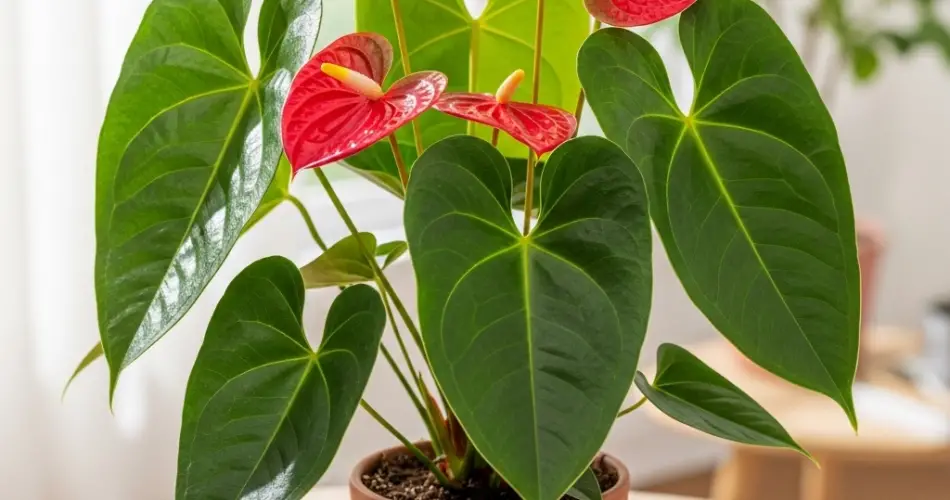
Anthuriums are tropical plants celebrated for their glossy foliage and vibrant, long-lasting flowers. Often called flamingo flowers or laceleaf, these plants bring a touch of exotic elegance to indoor spaces. While their striking appearance makes them popular houseplants, maintaining their health requires understanding the role of light and humidity in their growth. Properly managed, these conditions help Anthuriums thrive, producing lush leaves and vibrant blooms year-round.
Understanding Anthurium Needs
Anthuriums originate from tropical rainforests, where they grow under dense canopies with filtered sunlight and high humidity. Replicating these conditions indoors is key to their success. Two factors—light and humidity—directly affect leaf color, flowering, and overall plant vigor.
-
Light: Anthuriums need bright, indirect light to stimulate photosynthesis and flowering. Insufficient light can cause leggy growth, pale leaves, and reduced blooms. Excessive direct sunlight may scorch leaves, leaving brown patches.
-
Humidity: High humidity mimics the plant’s natural rainforest environment, supporting healthy leaf texture, preventing tip burn, and encouraging flowering. Low humidity can result in dry, brown leaf edges and slow growth.
Understanding these requirements allows indoor gardeners to create conditions that support Anthurium vitality.
Ideal Light Conditions
Providing the right type of light is essential:
-
Bright, indirect light: Place Anthuriums near east- or north-facing windows where sunlight is filtered through sheer curtains. This encourages robust growth without leaf scorching.
-
Artificial light supplementation: In rooms with limited natural light, fluorescent or LED grow lights can provide the energy needed for photosynthesis. Position lights 12–18 inches above the plant for 10–12 hours daily.
-
Monitor leaf response: Dark green, shiny leaves indicate optimal light, while yellowing or leggy growth suggests insufficient light. Brown, crispy edges may indicate direct sunlight exposure.
Consistent, moderate lighting ensures Anthuriums maintain glossy foliage and produce vibrant flowers.
Humidity Strategies
Humidity is crucial for tropical Anthuriums:
-
Optimal range: Aim for 60–80% relative humidity. This level prevents leaf desiccation and promotes healthy growth.
-
Indoor humidity boosters:
-
Pebble trays: Place a shallow tray filled with water and pebbles beneath the pot. As water evaporates, it increases humidity around the plant.
-
Humidifiers: Room humidifiers maintain stable humidity levels, especially in winter when indoor air tends to be dry.
-
Grouping plants: Placing Anthuriums near other tropical plants creates a localized humid microclimate.
-
-
Misting: Light misting can temporarily increase humidity, but avoid excessive moisture on leaves to prevent fungal issues.
Proper humidity not only enhances leaf appearance but also supports flower production and overall plant health.
Temperature Considerations
Temperature interacts closely with light and humidity:
-
Optimal range: Daytime temperatures of 70–85°F (21–29°C) and nighttime temperatures above 60°F (16°C) create ideal growth conditions.
-
Avoid extremes: Cold drafts, sudden temperature fluctuations, or prolonged exposure below 55°F (13°C) can stress the plant and lead to leaf damage.
-
Seasonal adjustments: During winter, supplement light and humidity to counteract shorter daylight hours and dry indoor air.
Maintaining stable temperatures ensures that Anthuriums remain healthy and continue producing flowers.
Placement and Maintenance Tips
-
Choose the right spot: Select a location with bright, indirect light and minimal drafts. East- or north-facing windows are ideal.
-
Monitor leaf health: Regularly check leaves for signs of low light, humidity stress, or scorching. Adjust placement or humidity accordingly.
-
Cleaning leaves: Dust can block light and reduce photosynthesis. Wipe leaves gently with a damp cloth to keep them glossy and healthy.
-
Watering: Combine proper light and humidity with consistent soil moisture. Allow the top inch of soil to dry before watering to prevent root rot.
These practices help Anthuriums thrive indoors, maintaining both lush foliage and vibrant flowers.
Encouraging Flowering
Flower production is closely linked to optimal light and humidity:
-
Bright, filtered light encourages the development of colorful spathes.
-
Consistent high humidity supports healthy buds and prevents premature flower drop.
-
Balanced fertilization: Use a diluted, phosphorus-rich fertilizer every 6–8 weeks during the growing season to stimulate blooms.
With the right environment, Anthuriums can produce striking flowers for months, enhancing indoor spaces with their tropical charm.
Final Thoughts
Anthuriums thrive when light, humidity, and temperature mimic their natural tropical environment. Bright, indirect light combined with high humidity keeps leaves glossy and vibrant while promoting long-lasting flowers. Small adjustments—like positioning near filtered sunlight, using pebble trays, or supplementing with grow lights and humidifiers—can dramatically improve plant health.
By understanding the specific light and humidity needs of Anthuriums, indoor gardeners can enjoy lush, thriving plants that bring a vibrant touch of the tropics to any space. With proper care, these tropical beauties can flourish year-round, offering striking foliage and blooms that elevate the aesthetic of your home.


