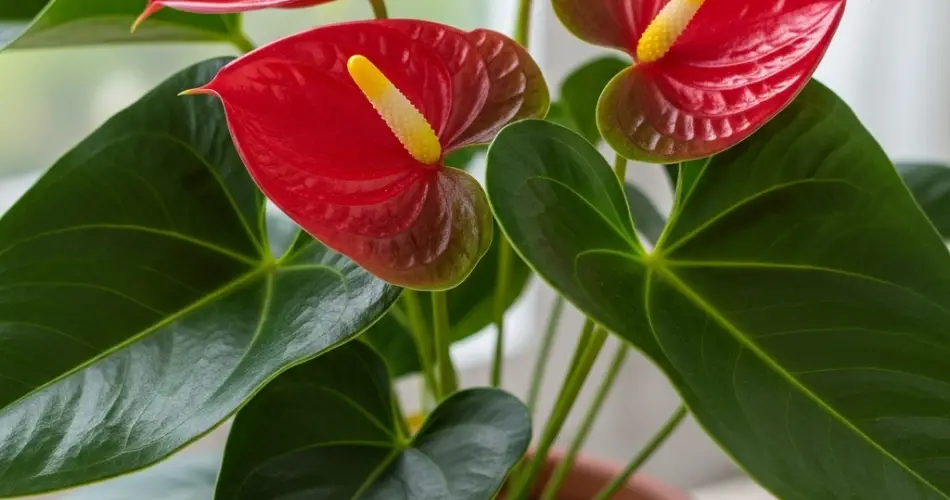
Anthuriums, with their glossy foliage and striking, long-lasting flowers, are tropical plants that thrive when provided with proper nutrition. While they are relatively low-maintenance, understanding how to fertilize them effectively is key to sustaining healthy growth, vibrant leaves, and frequent blooms. Fertilizer provides essential nutrients that may be lacking in indoor soil, helping these tropical beauties maintain their lush, exotic appearance.
Understanding Anthurium Nutritional Needs
Anthuriums require a balanced combination of nutrients to thrive:
-
Nitrogen (N): Supports strong leaf growth and deep green coloration.
-
Phosphorus (P): Promotes flower development and root health.
-
Potassium (K): Enhances overall plant vigor and resilience against stress.
-
Micronutrients: Elements such as magnesium, calcium, and iron support leaf coloration, strong stems, and disease resistance.
A well-balanced fertilization plan provides these nutrients in the right amounts, supporting both foliage and flowering.
Choosing the Right Fertilizer
Selecting the appropriate fertilizer is essential for Anthuriums:
-
Balanced houseplant fertilizers: A 20-20-20 (N-P-K) formula works well, providing equal proportions of essential nutrients.
-
Bloom-boosting fertilizers: Fertilizers with slightly higher phosphorus (e.g., 10-30-20) encourage the production of vibrant flowers.
-
Liquid fertilizers: Water-soluble fertilizers are ideal for indoor Anthuriums, allowing for even distribution and faster nutrient absorption.
-
Slow-release fertilizers: Granular slow-release options provide steady nutrients over several months, reducing the need for frequent applications.
Choosing the right type ensures that the plant receives the nutrients it needs for both foliage and flowering.
How Often to Fertilize
Frequency of fertilization depends on the plant’s growth cycle:
-
Growing season (spring and summer): Fertilize every 4–6 weeks, providing consistent nutrition during active growth.
-
Dormant period (fall and winter): Reduce or stop fertilization, as growth slows and nutrient uptake decreases. Over-fertilizing during dormancy can damage roots and stress the plant.
-
Young plants: Use diluted fertilizer at half strength to avoid burning delicate roots.
-
Mature plants: Standard strength applications support sustained growth and flowering.
Timing and frequency ensure Anthuriums receive the right nutrients without causing stress or toxicity.
Fertilizer Application Tips
Proper application enhances the effectiveness of feeding:
-
Dilution: Always follow label instructions, and consider using half-strength solutions for indoor plants.
-
Watering first: Moisten the soil before applying liquid fertilizer to prevent root burn.
-
Even distribution: Pour fertilizer evenly around the base of the plant, avoiding direct contact with leaves.
-
Observation: Monitor plant response after fertilizing. Leaf yellowing, tip burn, or stunted growth may indicate over-fertilization or nutrient imbalance.
Careful application maximizes nutrient uptake while minimizing risk to the plant.
Signs Your Anthurium Needs Fertilizer
Recognizing when an Anthurium requires feeding helps maintain health and flowering:
-
Slow or stunted growth: Indicates a lack of essential nutrients, especially nitrogen.
-
Pale or yellowing leaves: May suggest nitrogen or iron deficiency.
-
Reduced flowering: Low phosphorus levels can result in fewer or smaller blooms.
-
Weak or floppy stems: Potassium deficiency affects overall plant strength.
Observing these signs allows timely intervention and helps keep the plant thriving.
Supporting Fertilization with Proper Care
Fertilizer works best when combined with other essential care practices:
-
Light: Bright, indirect light supports photosynthesis and nutrient utilization.
-
Water: Maintain consistent soil moisture without overwatering. Fertilizer is most effective when roots are actively absorbing water.
-
Humidity: Tropical humidity levels enhance nutrient uptake and leaf health.
-
Soil: Well-draining, nutrient-rich soil maximizes fertilizer efficiency and prevents root rot.
A holistic approach ensures that Anthuriums benefit fully from fertilization.
Final Thoughts
Fertilizing Anthuriums correctly enhances their natural beauty, encouraging deep green leaves, strong stems, and abundant, long-lasting flowers. Selecting the right type of fertilizer, applying it at the proper frequency, and combining it with appropriate watering, light, and humidity practices ensures optimal results.
By observing your plant and adjusting feeding according to its growth cycle and needs, you can maintain healthy, vibrant Anthuriums that brighten indoor spaces year-round. With careful attention to nutrition, these tropical plants will continue to thrive, offering both visual appeal and long-term satisfaction for plant enthusiasts.


