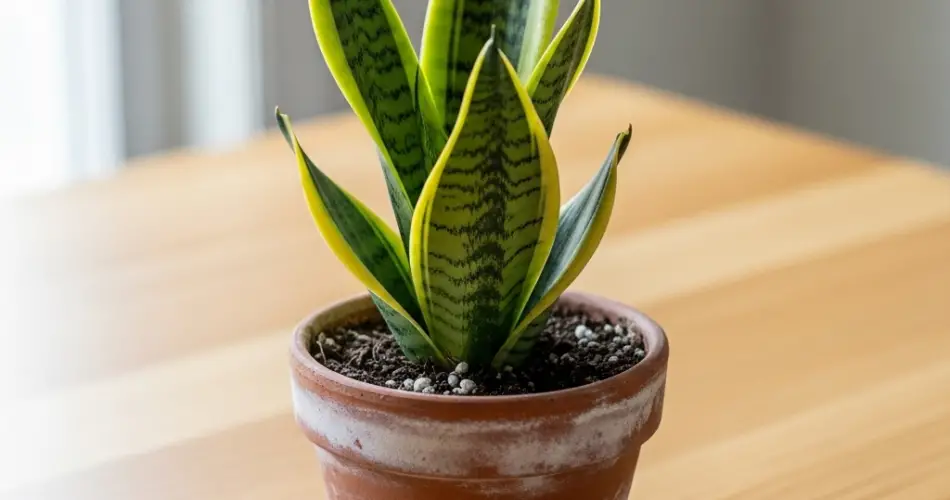
The snake plant, also known as Sansevieria or mother-in-law’s tongue, is one of the most resilient and low-maintenance houseplants. With its tall, sword-shaped leaves and air-purifying abilities, it is a favorite among beginner and experienced plant owners alike. While snake plants are generally easy to care for, their needs change significantly during the winter months when growth slows down. Understanding how dormancy affects the plant, along with proper moisture control, is key to keeping it healthy throughout the cold season.
Dormancy in Snake Plants
Like many houseplants, snake plants enter a period of dormancy in the winter. Dormancy is a natural process where growth slows or stops altogether as the plant conserves energy. This adaptation helps the plant survive less favorable conditions, such as cooler temperatures and reduced sunlight.
During dormancy, snake plants require less water, less fertilizer, and overall less attention compared to the active growing season. Instead of pushing out new leaves, the plant focuses on maintaining its existing foliage and root system. Recognizing this natural cycle helps prevent overcare, which can lead to problems like root rot.
Adjusting Watering Habits
One of the most common mistakes in winter snake plant care is continuing to water as frequently as in spring or summer. Snake plants are highly drought-tolerant, and during dormancy, they need even less moisture.
-
Reduce frequency: In winter, watering once every 3–6 weeks is often sufficient, depending on indoor conditions.
-
Check soil moisture first: Always test the soil before watering. If the top 2 inches feel dry, it is safe to add water. If still damp, wait several more days.
-
Avoid overwatering: Snake plants are particularly prone to root rot if water accumulates around the roots. Make sure the pot has drainage holes and empty any water left in saucers.
By tailoring your watering habits to the plant’s slower metabolism, you minimize stress and prevent disease.
Moisture Control and Humidity
Snake plants thrive in low humidity, which makes them well-suited to indoor environments during winter. However, there are a few moisture-related factors to keep in mind:
-
Dry air tolerance: Unlike many tropical plants, snake plants do not require misting. They actually prefer drier air, so avoid placing them in overly humid rooms.
-
Avoid drafts and heaters: While they tolerate dry air, snake plants should not sit near heating vents or radiators, as sudden blasts of hot air can dry out the leaves and cause damage.
-
Stable environment: Keeping humidity and temperature consistent helps reduce stress during the dormant season. Aim for temperatures above 50°F (10°C) for best results.
Light Requirements in Winter
With shorter days and weaker sunlight, your snake plant may receive less light in winter. While it is highly adaptable and tolerates low-light conditions, prolonged darkness can weaken the plant.
-
Bright, indirect light: Place your snake plant near a window where it can receive filtered sunlight. East- or south-facing windows are ideal.
-
Supplement with grow lights: If natural light is scarce, using a grow light for a few hours daily can help maintain healthy leaves.
Proper lighting supports the plant’s energy reserves and prevents it from becoming too stressed during dormancy.
Fertilizer and Feeding
Snake plants do not need fertilizer in winter. Because the plant is not actively growing, additional nutrients may sit unused in the soil and lead to salt buildup. Resume feeding only in spring when you see new growth. A balanced, diluted houseplant fertilizer once a month during the active season is more than enough.
Cleaning and General Care
Even though growth slows in winter, you can still keep your snake plant looking its best by maintaining clean, dust-free leaves.
-
Wipe leaves gently with a damp cloth every few weeks to remove dust buildup.
-
Avoid using leaf shine products, as they can clog the plant’s pores.
-
Inspect for pests like mealybugs or spider mites, which may seek out indoor plants during the cold months.
Keeping the foliage clean ensures the plant can photosynthesize efficiently, even with reduced winter light.
Signs of Stress to Watch For
Winter care mistakes often show up in the leaves. By monitoring your snake plant closely, you can correct issues before they become serious.
-
Yellowing or mushy leaves: A sign of overwatering or root rot. Reduce watering and check soil drainage.
-
Wrinkled or curling leaves: An indicator of underwatering or exposure to very dry, hot air. Adjust placement and watering schedule.
-
Pale growth: Often linked to insufficient light. Move the plant closer to a light source.
Catching these early warnings helps maintain a healthy plant throughout dormancy.
Conclusion
Caring for a snake plant in winter requires small but important adjustments. By respecting its natural dormancy period, reducing watering, and ensuring proper moisture control, you can protect your plant from stress and disease. Combine these habits with consistent lighting and a stable indoor environment, and your snake plant will remain strong and vibrant, ready to burst into new growth once spring arrives.


