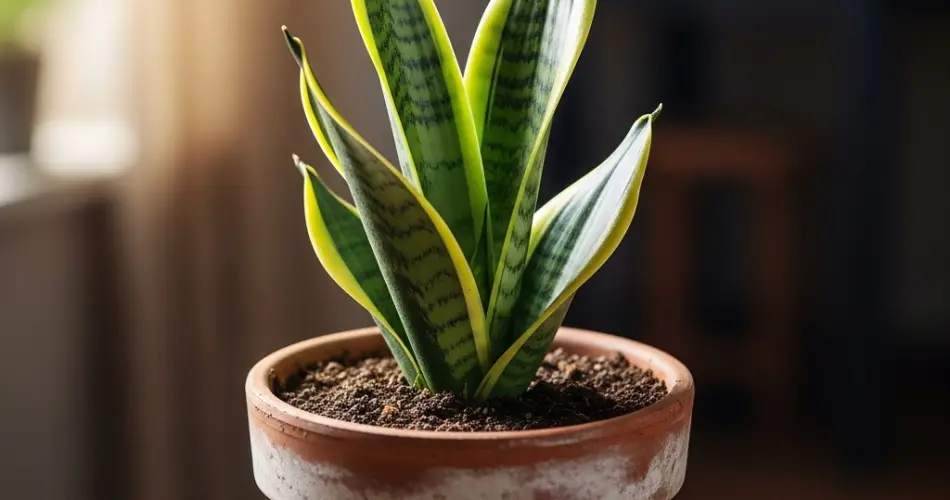
Snake plants, also known as Sansevieria or Dracaena trifasciata, are among the most popular indoor plants thanks to their striking upright leaves, resilience, and ability to tolerate low-maintenance care. Their architectural form makes them a stylish addition to any space, while their air-purifying qualities provide extra benefits.
Over time, however, dust, dirt, and even water spots can collect on their long leaves, dulling their natural shine. Since snake plants thrive on minimal care, their leaves often go unnoticed until they appear lackluster. Cleaning them not only improves their appearance but also keeps the plant healthy, allowing it to photosynthesize more efficiently. The good news is that you can clean and shine snake plant leaves using natural methods without harsh chemicals or expensive products.
Why Cleaning Snake Plant Leaves Matters
Like all houseplants, snake plants rely on their leaves to absorb light for photosynthesis. When leaves are coated with dust or grime, this process becomes less efficient. Dirty leaves can also become breeding grounds for pests like spider mites or mealybugs, as dust creates a hiding place for them. Furthermore, leaves that are regularly cleaned stay healthier, resist disease better, and look more vibrant, which enhances the overall beauty of the plant in your home.
Step 1: Dusting the Leaves
Before applying any moisture, it’s important to remove loose dust and dirt. You can use several simple methods:
-
Soft Cloth or Microfiber Towel: Gently wipe the leaves from base to tip, supporting each leaf with your hand to avoid bending. Microfiber cloths are ideal because they pick up dust without scratching.
-
Feather Duster or Brush: For tall, hard-to-reach plants, use a feather duster or a soft paintbrush to sweep dust away.
-
Vacuum Attachment: Some people use a vacuum with a brush attachment on low suction to clean taller plants, though this should be done with caution to avoid damaging the leaves.
Regular dusting every couple of weeks prevents buildup and makes deep cleaning easier.
Step 2: Washing the Leaves Naturally
For a deeper clean, washing the leaves with water is both safe and effective. Avoid using chemical sprays or leaf shine products sold in stores, as they can block the plant’s pores (stomata) and cause long-term damage. Instead, try these natural approaches:
-
Plain Water: The simplest method is to wipe each leaf with a damp cloth dipped in lukewarm water. Make sure to clean both the top and underside of the leaves.
-
Gentle Shower: Place the plant in the shower or sink and rinse the leaves with lukewarm water. Allow excess water to drain from the soil before returning the plant to its spot. This also helps refresh the soil.
-
Natural Soap Solution: If the leaves are particularly grimy, mix a few drops of mild liquid soap (free from harsh chemicals) in a bowl of water. Dip a cloth in the solution, wipe the leaves, and then follow up with a plain water rinse to remove any soap residue.
Step 3: Natural Shine Boosters
Snake plants naturally have glossy leaves, but if you want to restore or enhance their sheen, you can use natural household items instead of commercial leaf shine products:
-
Banana Peel: Rub the inside of a banana peel gently along the leaf. This not only removes dust but leaves a subtle, natural shine.
-
Milk and Water Solution: Mix equal parts milk and water, then wipe the leaves with a soft cloth dipped in the solution. The proteins in milk add a healthy glow to the foliage.
-
Coconut Oil (Minimal Use): A very tiny amount of coconut oil applied with a soft cloth can add shine. However, use sparingly and infrequently, as heavy oils may clog leaf pores.
These methods give your snake plant leaves a fresh, polished appearance without compromising their health.
Extra Care Tips While Cleaning
-
Check for Pests: While wiping the leaves, look for any small insects or sticky residue, which may indicate an infestation. Early detection helps prevent problems from spreading.
-
Avoid Harsh Chemicals: Never use furniture polish, commercial sprays, or alcohol-based cleaners on snake plants. These can damage the leaves and interfere with their ability to breathe.
-
Clean Gently: Snake plant leaves are sturdy, but bending them too much while cleaning can cause creases or breakage. Always support the leaf with your hand.
-
Frequency: Clean your snake plant leaves every 4–6 weeks, or more often if you live in a dusty environment.
Troubleshooting Common Issues
-
Water Spots: Hard water can leave mineral deposits on the leaves. To avoid this, use filtered or distilled water for cleaning. If spots appear, gently buff them off with a damp cloth.
-
Sticky Residue: This may be a sign of pests like aphids or scale insects. Use a mild soap solution to wipe the leaves and remove pests, then rinse thoroughly.
-
Dull Appearance: If your plant still looks lackluster after cleaning, it may be a sign of low light. Consider moving it to a brighter spot with indirect sunlight.
Final Thoughts
Snake plants are low-maintenance, but their striking leaves deserve regular attention to keep them looking their best. By dusting, gently washing, and occasionally using natural shine boosters, you can maintain their glossy appearance and support better plant health. With these simple, chemical-free cleaning techniques, your snake plant will remain a bold, fresh, and healthy feature in your home for years to come.


