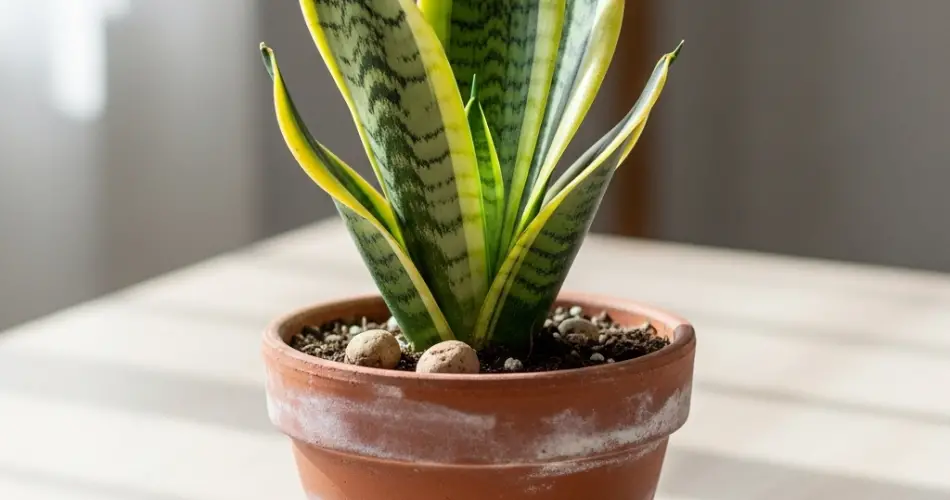
Houseplants bring freshness, beauty, and a touch of nature indoors, but not everyone has the time or energy to maintain demanding varieties. For those with a busy lifestyle, the snake plant (Sansevieria or Dracaena trifasciata) is one of the easiest and most forgiving options. With its bold, upright leaves, this resilient plant thrives on minimal care, making it a favorite among new plant owners and seasoned gardeners alike.
Snake plants are often called “set-it-and-forget-it” plants because they require little attention while still adding style and greenery to any room. Understanding their simple needs can help you keep them healthy and thriving, even if you don’t have much time to spare.
Why Snake Plants Are Perfect for Busy Plant Parents
The snake plant is well-known for its toughness. It tolerates a wide range of conditions, from low light to bright indirect sunlight, and can survive with infrequent watering. Even if you forget about it for weeks, the plant often continues to grow. Its natural ability to purify the air by filtering toxins like formaldehyde and benzene makes it both decorative and functional.
Another advantage is its adaptability. Snake plants fit in almost any space—whether in a small apartment, an office corner, or a sunny living room. They also come in various cultivars, with different leaf shapes, sizes, and patterns, giving plant parents options that suit their personal style.
Light Requirements
Snake plants are highly adaptable to different light levels. They can survive in dimly lit corners, though their growth may slow down. For the healthiest plant and more vibrant leaf color, place it in bright, indirect light. A spot near a window with filtered sunlight is ideal.
If you only have low-light areas in your home or workplace, don’t worry—the snake plant will still live. However, avoid placing it in direct harsh sunlight, as this can scorch the leaves.
Watering Made Easy
The snake plant is a succulent-like plant with thick leaves that store water. This means it is highly drought-tolerant and doesn’t need frequent watering. Overwatering is the most common mistake and can lead to root rot.
A simple watering routine is:
-
Water only when the soil feels dry to the touch.
-
During spring and summer (active growing season), water every 2–3 weeks.
-
In fall and winter, reduce watering to once a month or less.
Always make sure the pot has proper drainage holes so excess water can escape. Empty the saucer under the pot to prevent the roots from sitting in standing water.
Soil and Pot Choice
Snake plants prefer well-draining soil. A cactus or succulent mix is ideal because it prevents water from lingering around the roots. If you’re making your own mix, combine regular potting soil with sand or perlite for better drainage.
When choosing a pot, go for one with a drainage hole. Terra-cotta pots are a good option because they allow moisture to evaporate more quickly, reducing the chance of overwatering.
Fertilizing with Minimal Effort
Feeding your snake plant doesn’t have to be complicated. During the growing season (spring and summer), a balanced, diluted houseplant fertilizer once every 4–6 weeks is enough. Skip fertilizing in fall and winter when growth naturally slows down. Overfertilizing should be avoided, as it can damage the roots.
Cleaning and Leaf Care
Dust tends to settle on snake plant leaves, which can make them look dull and interfere with photosynthesis. Every month or two, wipe the leaves gently with a damp cloth. This keeps them looking fresh and helps the plant breathe better.
Avoid using commercial leaf shine sprays, as they may clog the leaf pores. A simple wipe with plain water works perfectly.
Repotting and Propagation
Snake plants grow slowly, so they don’t need frequent repotting. Repot only when you see roots growing out of the drainage holes or when the plant becomes top-heavy. This usually happens every 2–3 years.
If you’d like to grow more plants, propagation is simple. You can divide the plant when repotting or cut a healthy leaf into sections and root them in soil or water. This is an easy way to multiply your plants or share them with friends.
Common Problems and Quick Fixes
-
Yellowing Leaves: Usually caused by overwatering. Allow the soil to dry completely before watering again.
-
Drooping Leaves: This can happen if the plant is exposed to too much direct sun or if the soil is waterlogged. Adjust its location or watering routine.
-
Brown Tips: Often a result of low humidity, underwatering, or exposure to drafts. Trim the tips with clean scissors and adjust care slightly.
The snake plant’s resilience means most issues can be corrected quickly once identified.
Final Thoughts
For plant lovers who have little time to spare, the snake plant is a dependable, low-maintenance choice that thrives with minimal attention. By following a few simple care routines—moderate watering, occasional cleaning, and proper lighting—you can enjoy a healthy and attractive plant year-round.
Even with the busiest schedule, you can keep a snake plant looking vibrant and strong. This hardy plant proves that maintaining greenery in your home doesn’t have to be complicated. With its natural beauty and forgiving nature, the snake plant is the perfect companion for busy plant parents who want the joy of indoor gardening without the stress of constant upkeep.


