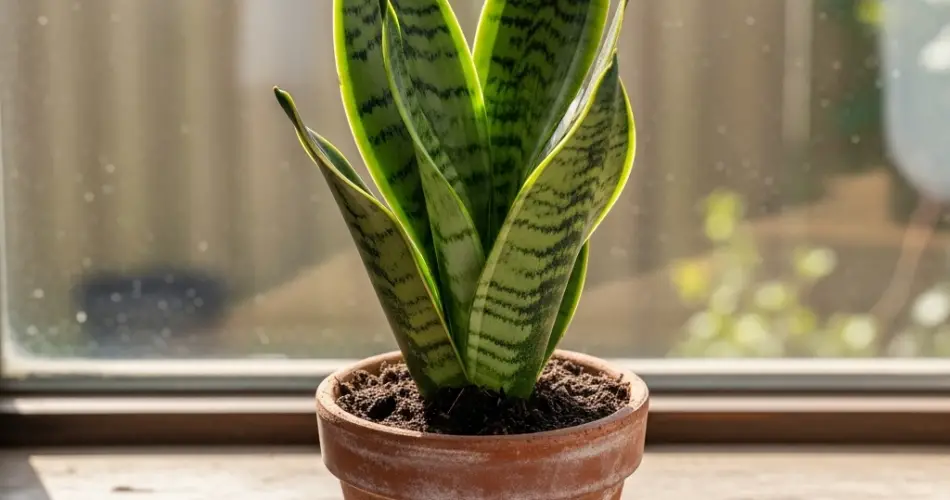
The snake plant (Sansevieria), often called mother-in-law’s tongue, is one of the most popular indoor plants thanks to its striking upright leaves and nearly indestructible nature. While this hardy houseplant can tolerate neglect, it does have one critical weakness: overwatering. Root rot is the most common issue snake plants face, and once it sets in, saving the plant can be difficult. Fortunately, with the right watering techniques and preventive care, you can keep your snake plant healthy and thriving for years.
Understanding Root Rot in Snake Plants
Root rot occurs when roots sit in overly wet soil for extended periods, causing them to suffocate and decay. In snake plants, which naturally store water in their thick leaves and roots, too much moisture quickly leads to problems.
Signs of root rot include:
-
Yellowing leaves that turn mushy at the base
-
A foul odor coming from the soil
-
Leaves collapsing or falling over easily
-
Brown or black, soft roots instead of firm, white ones
Since snake plants are adapted to arid conditions, they are far more sensitive to excess water than drought. Prevention through proper watering is far easier than trying to rescue a plant already suffering from root rot.
How Often Should You Water a Snake Plant?
The biggest mistake with snake plants is watering too frequently. Unlike tropical houseplants that prefer consistently moist soil, snake plants thrive when the soil dries out completely between waterings.
-
General rule: Water every 2–6 weeks depending on the environment.
-
Check soil moisture first: Insert your finger into the soil about 2 inches deep. If it feels completely dry, it’s time to water. If it’s still damp, wait several days before checking again.
-
Seasonal adjustment: During spring and summer, snake plants may need water every 2–3 weeks as growth is more active. In fall and winter, when the plant enters dormancy, once a month or even less may be enough.
Consistency is not as important as adapting to conditions. The plant’s needs will vary with light, temperature, and humidity.
Proper Watering Techniques
Knowing how to water correctly is just as important as knowing how often to do it. Snake plants prefer a “soak and dry” approach.
-
Water thoroughly: Add water slowly until you see it begin to drain from the bottom of the pot. This ensures the roots receive deep hydration.
-
Empty excess water: Never allow the pot to sit in a saucer of water, as stagnant moisture encourages rot.
-
Avoid shallow watering: Small sips of water encourage roots to grow near the surface instead of deep into the soil. A deep soak followed by a drying period is healthier.
-
Water at the base: Pour water directly onto the soil rather than over the leaves to prevent crown rot at the base of the plant.
Choosing the Right Soil and Pot
Even perfect watering habits won’t help if the soil and pot retain too much water. Snake plants need excellent drainage to stay healthy.
-
Soil: Use a gritty, well-draining mix such as cactus or succulent soil. You can also create your own by mixing regular potting soil with sand, perlite, or pumice.
-
Pot: Terra cotta pots are ideal because they allow moisture to evaporate through the porous walls. Always ensure the pot has drainage holes.
-
Avoid compacted soil: Over time, soil breaks down and compacts, holding excess water. Repotting every 2–3 years refreshes the medium and prevents soggy conditions.
Water Quality Considerations
While overwatering is the main problem, water quality can also affect root health. Snake plants are generally tolerant, but certain conditions can contribute to stress.
-
Use room-temperature water to avoid shocking the roots.
-
If your tap water is very hard or treated with chlorine, consider letting it sit out overnight before using.
-
Rainwater or filtered water is an excellent choice when available.
Spotting Problems Early
Preventing root rot also means learning to spot warning signs early. If you notice the soil staying damp for more than a week or the leaves feeling soft, take action immediately. Remove the plant from its pot and check the roots. Healthy roots are white and firm, while rotten ones are brown, mushy, and may give off a foul smell. Trim away damaged roots with sterilized scissors and repot the plant in fresh, dry soil.
Seasonal Adjustments for Root Health
Because snake plants slow down in growth during fall and winter, they need less water. Many cases of root rot happen in colder months when watering routines don’t change. Always water less frequently during dormancy, and ensure the plant is not exposed to cold drafts or overly damp soil.
Conclusion
Snake plants may be tough, but they have one vulnerability: too much water. Root rot is preventable with proper care. By waiting until the soil is fully dry, watering deeply but infrequently, using well-draining soil, and ensuring the right pot, you can protect your plant from this common issue. With these simple watering techniques, your snake plant will continue to stand tall with strong, vibrant leaves for many years.


