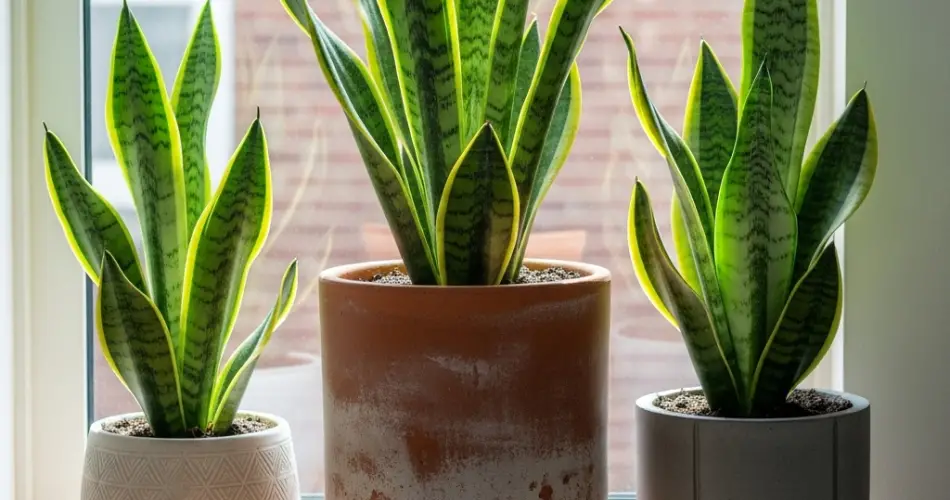
The snake plant (Sansevieria), also known as mother-in-law’s tongue, is a dream plant for anyone seeking beauty and resilience in one package. With tall, upright leaves marked by unique patterns, it’s as much a design element as it is a living organism. What makes it even more appealing is its ability to survive with minimal attention—making it perfect for beginners, busy plant owners, and anyone who tends to forget watering schedules.
This guide covers the ultimate low-care techniques to ensure your snake plant not only survives but thrives in your home for years to come.
Built for Survival
Snake plants are native to West Africa, where they adapted to hot, dry conditions and poor soils. These hardy traits make them one of the most tolerant houseplants available today. They can handle neglect, low light, inconsistent watering, and fluctuating temperatures without losing their good looks.
This natural toughness doesn’t mean they can be completely ignored—providing the right conditions will ensure they stay healthy, vibrant, and long-lived.
Choosing the Right Pot
The first step to low-maintenance success is selecting the right container.
-
Drainage is essential: Always choose a pot with drainage holes to prevent water from collecting at the bottom.
-
Terracotta advantage: Terracotta pots allow excess moisture to evaporate faster, reducing the risk of root rot.
-
Correct sizing: Select a pot just 1–2 inches wider than the plant’s root ball. Oversized pots can hold too much water and slow the plant’s growth.
If you want a decorative pot without holes, use it as a cover for a smaller, well-draining pot inside.
Soil That Works for You
A low-care plant still needs the right soil to thrive. Snake plants prefer a fast-draining mix similar to what you’d use for cacti and succulents. The ideal mix includes:
-
2 parts potting soil
-
1 part perlite or coarse sand
-
1 part cactus mix
This combination prevents water from sitting around the roots while still holding enough moisture for the plant’s needs.
Lighting Made Simple
Snake plants can live in a variety of light conditions, from low-light corners to bright, indirect sunlight. For the best growth, give them filtered light near a window. They adapt to office lighting and shaded spaces, but growth will be slower.
Avoid placing them in intense, direct sunlight for long periods, as this can scorch the leaves. Conversely, very dim conditions over long stretches can cause leaf discoloration and weaken the plant.
Watering: Less is More
Overwatering is the quickest way to harm a snake plant. Their thick leaves store water, allowing them to go for weeks without a drink.
Here’s a simple approach:
-
Wait until the soil is completely dry before watering.
-
Water deeply until it drains from the bottom of the pot.
-
Discard any water in the saucer after 10–15 minutes.
In spring and summer, watering every 2–4 weeks is usually enough. In fall and winter, extend the interval to once every 4–6 weeks. If in doubt, skip a watering—snake plants handle dryness better than excess moisture.
Climate and Humidity
Snake plants are adaptable to most indoor climates. They prefer temperatures between 15°C and 29°C (60°F to 85°F) but can tolerate short drops in temperature if kept dry.
They don’t require special humidity adjustments, thriving in typical household conditions. This means no misting, no humidifiers—just place them where you like, as long as it’s not in a draft or directly in front of heating vents.
Minimal Feeding
Fertilizing is optional for survival but beneficial for steady growth. Use a balanced, water-soluble houseplant fertilizer at half strength once a month during spring and summer. Avoid overfeeding, which can damage the roots. Skip fertilizer entirely in fall and winter when growth slows.
Simple Maintenance
Maintenance for snake plants is minimal:
-
Pruning: Remove yellowed, damaged, or overly long leaves at the base with clean scissors or pruning shears.
-
Cleaning: Wipe leaves occasionally with a damp cloth to remove dust and restore their natural shine.
-
Pest watch: While uncommon, pests like mealybugs or spider mites may appear. If so, treat with insecticidal soap or a gentle wipe-down with soapy water.
Repotting and Propagation
Snake plants like being slightly root-bound and only need repotting every 2–3 years. When repotting, move them into a pot just slightly larger and refresh the soil.
They are easy to propagate: simply divide the root ball into smaller clumps or take leaf cuttings and root them in water or soil. This not only multiplies your plants but also rejuvenates older ones.
Benefits Beyond Looks
In addition to being low-maintenance, snake plants are known for their air-purifying qualities. They can help remove indoor pollutants and even produce oxygen at night—making them a great choice for bedrooms and living spaces.
Their vertical growth habit also makes them ideal for small spaces, as they add greenery without taking up much horizontal room.
Final Thoughts
The snake plant is proof that beautiful indoor greenery doesn’t have to come with a complicated care routine. By giving it the right container, well-draining soil, occasional watering, and light cleaning, you’ll have a plant that practically takes care of itself.
Whether you’re new to houseplants or simply want something stylish that won’t demand much time, the snake plant is an unbeatable choice. Its survival skills, combined with its striking appearance, make it the ultimate low-care houseplant for any home.


