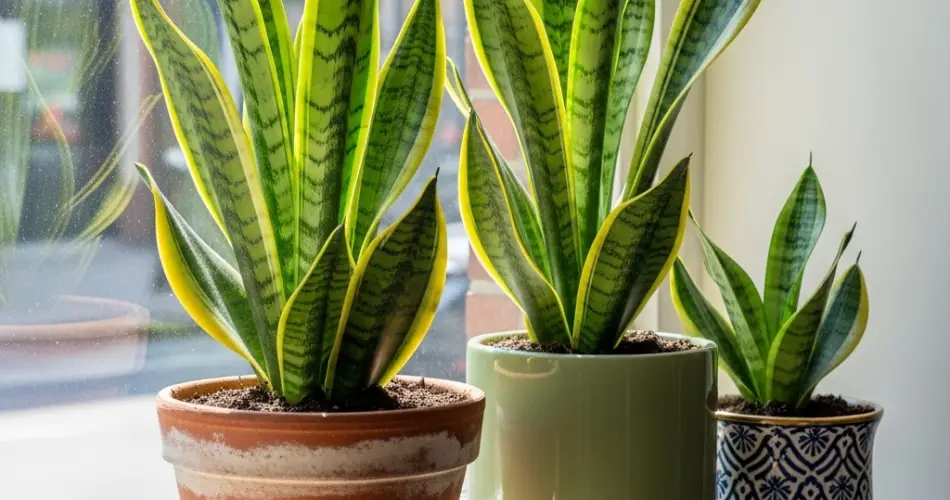
The snake plant (Sansevieria), also known as mother-in-law’s tongue, is a striking and resilient houseplant loved for its architectural leaves and minimal care needs. It’s a plant that adapts well to a variety of indoor conditions, making it perfect for both beginner and seasoned plant owners. One of the best things about snake plants is their versatility—they can be grown in many different types of containers, from classic clay pots to modern decorative planters. With the right setup, they can become a stunning feature in your home while purifying the air.
Here’s how to grow a stylish snake plant in any indoor container while keeping it healthy and thriving.
Choosing the Right Container
Snake plants can grow in almost any type of pot, but the container you choose will affect the plant’s growth and watering needs.
-
Terracotta pots are porous and allow water to evaporate quickly, which helps prevent overwatering—a common issue with snake plants.
-
Ceramic pots offer a stylish, polished look and retain moisture longer, which may require adjusting your watering schedule.
-
Plastic pots are lightweight, affordable, and retain moisture well, but ensure they have good drainage.
-
Decorative cachepots without drainage holes can be used as outer covers—just make sure your plant is in a smaller pot with drainage inside to prevent water buildup.
No matter the material, proper drainage holes are essential to avoid root rot. Snake plants dislike sitting in waterlogged soil.
Picking the Perfect Size
When planting or repotting, select a container just 1–2 inches larger in diameter than the plant’s root ball. A pot that’s too big will hold more soil than the plant’s roots can absorb water from, increasing the risk of root rot. Snake plants grow slowly and prefer being slightly root-bound, so there’s no need for frequent repotting.
The Ideal Soil Mix
Snake plants thrive in fast-draining soil. A cactus or succulent mix works perfectly. If making your own mix, combine:
-
2 parts regular potting soil for nutrients and structure
-
1 part perlite or coarse sand for drainage
-
1 part compost for organic matter and slow-release nutrients
This blend ensures roots have both moisture and air circulation, reducing the chances of waterlogged conditions.
Planting Your Snake Plant
-
Prepare the container by adding a layer of soil to the bottom.
-
Remove the plant from its old pot by gently loosening the root ball. If the roots are tightly bound, tease them apart slightly.
-
Position the plant in the new container so the base of the leaves sits just below the rim.
-
Fill around the roots with fresh soil, pressing gently to hold the plant upright without compacting the mix too much.
-
Water lightly to help settle the soil, then allow excess water to drain completely.
Light and Placement
Snake plants tolerate a wide range of light conditions—from low light corners to bright, indirect sunlight. For the healthiest growth and more vibrant leaf patterns, place your plant in bright, filtered light. Avoid prolonged direct sunlight, which can scorch the leaves.
Their adaptability makes them perfect for different rooms: a living room centerpiece, a hallway accent, or even a stylish addition to the bathroom if there’s enough light.
Watering Tips
The key to watering snake plants is moderation. Let the soil dry out completely before watering again. During the growing season (spring and summer), this may mean watering every 2–4 weeks, depending on light and humidity. In the cooler months, reduce watering to once every 4–6 weeks.
Overwatering is the most common cause of snake plant problems. Always check the soil moisture with your finger before adding water, and empty saucers after watering to prevent the roots from sitting in water.
Humidity and Temperature
Snake plants are native to arid regions and don’t require high humidity, making them well-suited to most indoor environments. They thrive in temperatures between 60°F and 85°F (15°C to 29°C) and should be kept away from cold drafts, heating vents, or air conditioners.
Fertilizing for Strong Growth
Feed your snake plant once every 2–3 months during the growing season with a balanced, diluted houseplant fertilizer. Avoid over-fertilizing, as it can damage the roots. No feeding is needed in the fall and winter when the plant is dormant.
Styling Your Snake Plant
One of the joys of growing snake plants is how easily they fit into different interior styles.
-
For a modern minimalist look, pair them with sleek white or black ceramic pots.
-
For a bohemian vibe, choose woven baskets or colorful, patterned containers.
-
For a natural, rustic feel, go with terracotta or unglazed clay pots.
You can also group snake plants of varying heights in matching containers to create an eye-catching indoor plant arrangement.
Maintenance and Troubleshooting
Snake plants are low-maintenance, but occasional care keeps them looking their best:
-
Wipe the leaves with a damp cloth to remove dust and improve light absorption.
-
Trim away damaged or yellowing leaves at the base.
-
Watch for signs of overwatering, such as mushy leaves or root rot.
Pests are rare but can include spider mites and mealybugs. If detected, wipe leaves with a mild soap and water solution.
Final Thoughts
Whether in a rustic terracotta pot, a sleek ceramic planter, or a decorative basket, a snake plant can be a stylish and hardy addition to your indoor space. By choosing the right container, using a well-draining soil mix, and following simple watering and care practices, you can enjoy this striking plant for many years. With its bold leaves and adaptable nature, the snake plant is both a design element and a low-maintenance houseplant that fits effortlessly into any home.


