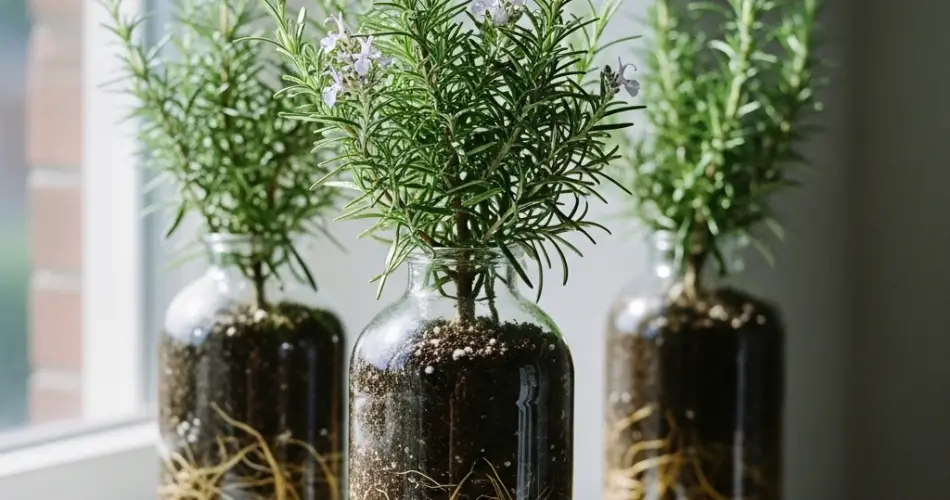
Growing herbs at home doesn’t require a garden or large pots. With a little creativity, you can cultivate robust and aromatic rosemary in plastic bottles—making it ideal for apartments, small balconies, or even kitchen windowsills. This sustainable approach not only saves space but also gives plastic bottles a second life as functional planters.
Rosemary is a hardy herb that thrives in containers and responds well to pruning, making it a great option for confined spaces. With the right conditions and care, you can enjoy a steady supply of fresh rosemary for cooking, teas, and aromatherapy without needing much room or resources.
Why Grow Rosemary in Plastic Bottles?
Plastic bottles are lightweight, widely available, and easy to work with. They’re perfect for small-scale gardening and allow vertical or horizontal setups. Repurposing bottles helps reduce waste and offers an affordable way to build your own herb garden.
Rosemary, a Mediterranean herb, prefers well-drained soil and plenty of sunlight—both of which are easy to provide in a bottle garden. With proper drainage holes and a sunny spot, rosemary can flourish even in a compact container.
Materials You’ll Need
-
A 1.5 or 2-liter plastic bottle
-
Sharp scissors or a utility knife
-
Potting mix with sand or perlite (for good drainage)
-
Rosemary seeds or stem cuttings
-
Small stones or charcoal (optional for base drainage)
-
Watering can or spray bottle
-
A bright location with plenty of sun
Optional:
-
Cotton rope or string (for a self-watering wick)
-
Twine or hooks (if you want to hang the bottles)
Preparing the Bottle Planter
-
Clean the Bottle:
Rinse the bottle thoroughly and remove any labels. This prevents any leftover residue from harming your plant and keeps your planter visually neat. -
Cut the Bottle:
Slice the bottle horizontally about one-third from the top. The bottom portion will serve as the planter. If you want to build a self-watering setup, save the top half. -
Make Drainage Holes:
Poke a few small holes in the base of the bottle using a heated needle or nail. This allows excess water to drain out, preventing root rot. -
Add a Drainage Layer (Optional):
Place a few small stones or bits of charcoal at the bottom to help with drainage and air circulation. -
Fill with Soil:
Use well-draining potting soil mixed with sand or perlite. Rosemary thrives in soil that doesn’t retain too much moisture.
Planting Rosemary
From Seeds:
-
Sprinkle rosemary seeds on the surface of the soil.
-
Lightly press them down and cover with a thin layer of soil.
-
Mist gently with water to keep the soil moist.
-
Place in a warm, sunny location. Germination may take 2–3 weeks.
From Cuttings:
-
Take a 4–6 inch cutting from a healthy rosemary plant.
-
Remove the lower leaves and place the cutting in water until roots form (7–10 days).
-
Once rooted, plant the cutting in the bottle and water lightly.
Cuttings tend to be faster and more reliable than growing rosemary from seed.
Light and Water Requirements
-
Sunlight:
Rosemary needs at least 6 hours of direct sunlight each day. Place the bottle on a sunny windowsill, balcony, or outdoor ledge. -
Watering:
Allow the top inch of soil to dry out before watering again. Rosemary prefers dry conditions and can suffer from overwatering. Use a spray bottle to control water flow, especially in small containers. -
Air Circulation:
Ensure good airflow around the plant, especially if you’re growing it indoors. Avoid placing the bottle in stuffy or overly humid corners.
Optional Self-Watering Setup
To make a self-watering bottle planter:
-
Thread a cotton rope through the bottle cap to act as a wick.
-
Place the top half (inverted) into the bottom half with the wick dangling into the water reservoir.
-
Fill the top section with soil and plant the rosemary.
-
The wick will keep the soil slightly moist without overwatering.
Pruning and Maintenance
-
Pruning:
Regular pruning keeps rosemary bushy and prevents it from becoming woody. Snip the tips regularly to encourage branching. -
Feeding:
Rosemary doesn’t require frequent fertilizing. Apply a diluted organic fertilizer or compost tea every 6–8 weeks during the growing season. -
Pest Control:
While rosemary is naturally pest-resistant, monitor for aphids or fungal issues in humid conditions. Good air circulation helps prevent problems.
Harvesting Rosemary
Begin harvesting once your plant is 6–8 inches tall. Use scissors to cut sprigs, always snipping just above a leaf node to encourage new growth. Harvest lightly until the plant matures, and never remove more than one-third of the plant at once.
You can use fresh rosemary directly in cooking or dry the sprigs for future use. Dried rosemary keeps its flavor for several months when stored in an airtight container.
Final Thoughts
Cultivating rosemary in plastic bottles is a clever, compact, and eco-friendly way to grow herbs in small spaces. Whether you’re living in a city apartment or want to expand your herb garden without buying new pots, this method offers a sustainable and rewarding solution.
With a bit of sunlight, well-drained soil, and simple care, your rosemary will thrive—bringing fresh fragrance, flavor, and greenery into your home. Give it a try, and watch your small-space herb garden flourish one bottle at a time.


