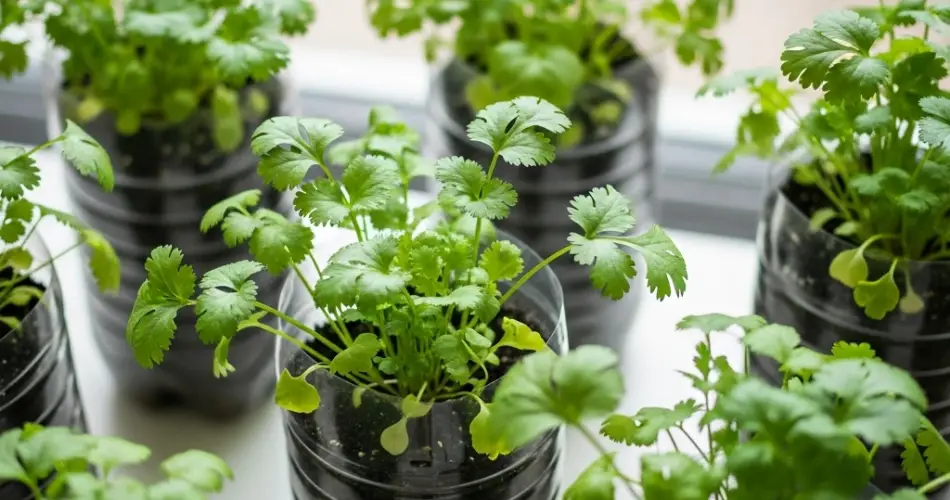
Cilantro, also known as coriander in many parts of the world, is a popular herb used in countless dishes for its fresh, citrusy flavor. While it’s often thought of as a garden herb, cilantro can be grown indoors with ease—even in recycled plastic bottles. Using this DIY bottle planter hack, you can enjoy fresh cilantro year-round without the need for outdoor space or expensive pots.
This project is perfect for those who live in apartments or homes with limited garden space. Plus, reusing plastic bottles helps reduce waste, making this a sustainable and budget-friendly way to grow your own herbs.
Why Grow Cilantro Indoors in Plastic Bottles?
Cilantro has shallow roots and a relatively short growing cycle, which makes it ideal for container gardening. When planted indoors, it stays protected from extreme weather, pests, and soil-borne diseases. By using a bottle planter, you can control the soil quality, moisture, and sunlight exposure—ensuring healthy, flavorful growth.
Plastic bottles are lightweight, easy to cut and hang, and commonly available in most households. They’re also excellent for vertical setups, maximizing small spaces like windowsills, countertops, and sunny kitchen corners.
Materials Needed:
-
1.5 or 2-liter plastic bottles
-
Cilantro seeds (also labeled as coriander seeds) or seedlings
-
Scissors or a utility knife
-
Nail or heated skewer (to make holes)
-
Potting mix (light and well-draining)
-
Small stones or pebbles (optional, for drainage)
-
String, wire, or twine (for hanging)
-
Spray bottle or small watering can
-
Sunny indoor location (window or balcony)
Step 1: Prepare the Bottle Planter
Start by washing the bottle and removing any labels. Using scissors or a utility knife, cut out a rectangular window along one side of the bottle. This opening will be the planting area. Be sure to leave the rest of the bottle intact so it can hold the soil.
Poke several small holes at the bottom for drainage. These holes prevent water from accumulating and help maintain healthy root conditions. If you plan to hang the bottle, make two small holes near the top edge on opposite sides, and thread twine or wire through to create a hanger.
Step 2: Mix and Add Soil
Cilantro prefers slightly sandy, well-draining soil. Use a light potting mix that includes perlite or coco coir. You can also add a handful of compost for extra nutrients.
If your bottle lacks drainage, place a layer of small stones or pebbles at the bottom to keep roots elevated above any pooled water. Fill the bottle about two-thirds full with the potting mix, and lightly pat it down.
Step 3: Plant the Seeds or Seedlings
If you’re using seeds, crush whole coriander seeds slightly before sowing to improve germination. Sprinkle 6–8 seeds evenly across the soil surface and cover with a thin layer of soil—around 1 cm deep. Gently water the area with a spray bottle.
If using seedlings, make a small hole in the soil and place the root ball inside. Gently firm the soil around the base and water lightly.
Place the bottle in a warm, sunny location that receives at least 4–6 hours of indirect sunlight daily. A south-facing windowsill is ideal.
Step 4: Watering and Light Needs
Cilantro needs consistent moisture, especially during the germination and seedling phases. Keep the soil moist but not soggy. Use a spray bottle or watering can with a narrow spout to avoid overwatering.
As the plant matures, reduce watering slightly to avoid waterlogging. Ensure your bottle planter drains well and doesn’t collect stagnant water at the base.
If natural light is limited, consider using a small grow light to provide adequate brightness for healthy foliage.
Step 5: Maintenance and Growth Tips
Cilantro grows quickly but also bolts (goes to seed) when exposed to high heat or too much light. To extend the harvest:
-
Keep the environment cool and avoid hot, direct afternoon sun.
-
Harvest leaves regularly to encourage bushy growth.
-
Remove flower stalks as soon as they appear to delay bolting.
Feeding is optional, but a mild organic fertilizer or compost tea once every 3–4 weeks can boost growth, especially if leaves appear pale.
Step 6: Harvesting Cilantro
You can start harvesting cilantro leaves once the plant reaches 4–6 inches in height. Use clean scissors to cut the outer leaves first, leaving the center intact to allow continued growth. Regular harvesting not only gives you fresh herbs but also delays flowering.
If you allow the plant to flower and go to seed, you can collect coriander seeds for spice or save them for your next planting cycle.
Creative Bottle Gardening Tips
-
Label each bottle with plant names using waterproof markers or stickers.
-
Hang several bottles vertically along a wall or window for a tiered herb garden.
-
Use colorful twine or paint the bottles for a decorative touch.
-
Replant every few weeks for a continuous harvest cycle.
Conclusion
Growing cilantro indoors using bottle planters is a smart, sustainable, and satisfying project. It’s perfect for beginners, space-conscious gardeners, and anyone who wants fresh herbs right in the kitchen. With minimal supplies and care, you can enjoy a steady supply of fragrant cilantro while giving new life to plastic bottles—turning everyday waste into fresh, edible greenery.