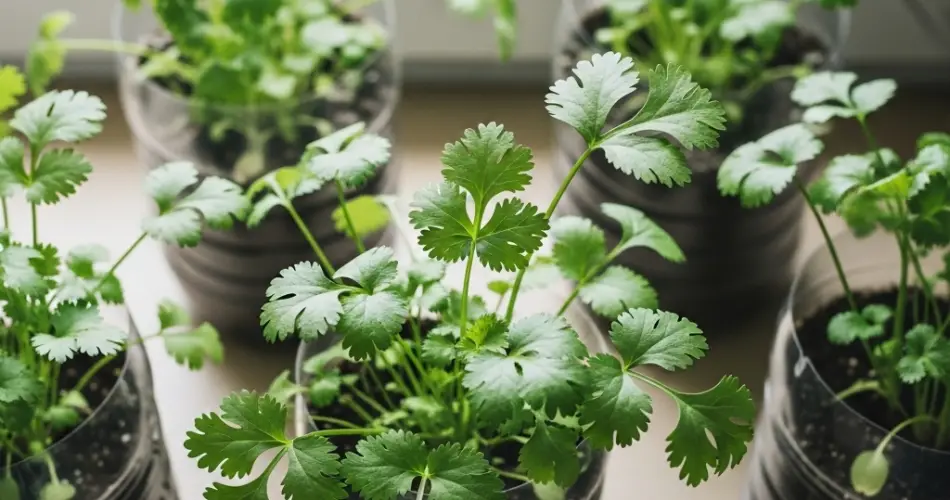
Cilantro, also known as coriander, is a versatile herb used in a wide range of dishes—from salsa and curries to soups and salads. It’s quick to grow, simple to maintain, and perfect for small-space gardening. If you’re looking for a sustainable and space-saving way to cultivate cilantro at home, using upcycled plastic bottles is a smart and eco-friendly choice.
Plastic bottles make excellent planters for herbs. They’re lightweight, easy to modify, and readily available. Whether you live in an apartment or just want to reduce plastic waste, growing cilantro in plastic bottles allows you to enjoy fresh, homegrown herbs without needing a large garden or expensive equipment.
Why Grow Cilantro in Plastic Bottles?
Cilantro is a fast-growing herb that thrives in containers, making it ideal for indoor or balcony gardening. Using plastic bottles as planters helps reduce waste while maximizing limited space. With a few modifications, you can transform discarded bottles into functional containers that support healthy plant growth.
This method is especially useful for urban gardeners or anyone looking to grow herbs in tight areas like kitchen windowsills, balconies, or patios. It’s also a great project for beginners or kids learning about sustainable gardening.
What You’ll Need
To grow cilantro using upcycled plastic bottles, gather the following supplies:
-
1.5–2-liter plastic bottles (clear bottles work best)
-
Sharp scissors or utility knife
-
A heated nail or pin (to make drainage holes)
-
Potting soil or compost-rich garden soil
-
Cilantro seeds
-
Watering can or spray bottle
-
Small stones or charcoal (optional, for drainage)
-
A sunny windowsill or outdoor area
Optional:
-
Cotton rope or string (if making a self-watering version)
-
Twine or wire (for hanging)
Preparing the Bottle Planters
-
Clean the Bottles
Rinse the bottles thoroughly to remove any residue. Remove labels to allow better light penetration and a cleaner appearance. -
Cut the Bottles
Cut the bottles horizontally about one-third from the top. The bottom part will serve as the planter. Save the top part if you want to create a humidity dome for seed germination or a self-watering setup. -
Make Drainage Holes
Use a hot nail or a small knife to poke holes in the bottom of the bottle. Good drainage is essential to prevent root rot and fungal issues. -
Add a Drainage Layer (Optional)
Place a thin layer of pebbles or charcoal at the bottom to promote drainage and keep soil from becoming compacted. -
Fill with Soil
Use well-draining potting mix enriched with compost or organic matter. Cilantro grows best in light, fertile soil. Fill the planter about three-quarters full.
Sowing Cilantro Seeds
Cilantro grows best when directly sown into the final container. It doesn’t transplant well due to its long taproot.
-
Moisten the soil lightly before sowing.
-
Sprinkle cilantro seeds evenly across the soil surface. You can plant multiple seeds since cilantro can be harvested as baby leaves.
-
Cover the seeds with a thin layer of soil (around ¼ inch).
-
Gently water the surface with a spray bottle to avoid disturbing the seeds.
-
Place the planter in a sunny location where it gets at least 4–6 hours of sunlight daily.
Caring for Cilantro in Bottles
-
Watering
Keep the soil consistently moist but not soggy. Water when the top inch of soil feels dry. Avoid letting the soil dry out completely. -
Light
Cilantro prefers full sun but can tolerate partial shade, especially in hot climates. If growing indoors, place near a bright window. -
Thinning
Once the seedlings are a few inches tall, thin them out to allow 2–3 inches of space between plants. This helps prevent overcrowding and improves air circulation. -
Fertilizing
Cilantro doesn’t require heavy feeding. A diluted organic liquid fertilizer or compost tea applied once a month is sufficient. -
Pests
Watch for aphids or fungal problems. Ensure good drainage and airflow to reduce risks.
Harvesting Cilantro
You can begin harvesting cilantro about 3–4 weeks after planting. For the best flavor, harvest when the leaves are tender and bright green.
-
Use scissors to cut the outer leaves first, allowing the inner leaves to continue growing.
-
Never cut more than one-third of the plant at once to avoid stressing it.
-
Regular harvesting helps delay flowering and keeps the plant productive longer.
Eventually, cilantro will bolt (go to seed), especially in warmer weather. When this happens, the plant produces flowers and seeds. You can collect the seeds (coriander) for culinary use or dry and save them for replanting.
Optional: Self-Watering Bottle Setup
To make a self-watering version of the planter:
-
Use both halves of the bottle.
-
Thread a cotton wick through the cap of the top half.
-
Fill the bottom half with water.
-
Invert the top half into the bottom so the wick hangs into the water.
-
Fill the top section with soil and plant as usual.
This system provides consistent moisture without overwatering.
Final Thoughts
Growing cilantro in upcycled plastic bottles is an easy, cost-effective, and environmentally friendly way to cultivate fresh herbs at home. It’s a great project for small spaces and encourages responsible recycling while delivering flavorful herbs straight to your kitchen.
With just a little sunlight, soil, and care, you’ll have a continuous supply of fresh cilantro for cooking, garnishing, or even seed-saving. Start with one bottle, and soon you might find yourself creating a full kitchen garden from plastic you once threw away.


