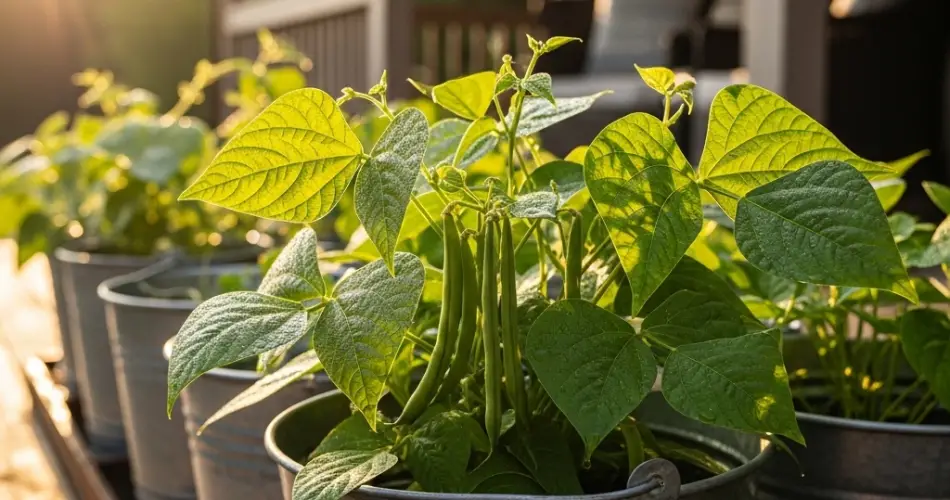
Green beans are a versatile and nutritious vegetable that can be successfully grown in small spaces using bucket gardening. This approach allows urban gardeners, balcony dwellers, and those with limited yard space to enjoy fresh, homegrown beans without a traditional garden plot. With proper container selection, soil preparation, watering, and harvesting techniques, bucket-grown green beans can provide a steady supply of crisp, flavorful pods throughout the growing season.
Choosing the Right Bucket
Selecting an appropriate container is essential for growing green beans in small spaces. A bucket with a depth of at least 10–12 inches is ideal for supporting the plant’s root system. Wide buckets allow for multiple plants per container while maintaining adequate spacing for airflow and growth. Drainage holes at the bottom of the bucket are crucial to prevent waterlogging, which can lead to root rot and reduced yields.
Light-colored buckets are preferable in warmer climates, as they reflect sunlight and help maintain moderate soil temperatures. Lightweight plastic buckets are easy to move for optimal sunlight exposure, while heavier containers like terracotta retain moisture effectively but may require more frequent watering during hot weather.
Preparing the Soil
Green beans thrive in fertile, well-draining soil. A high-quality potting mix combined with compost or organic matter provides essential nutrients and retains adequate moisture. Adding perlite or coarse sand improves aeration and prevents soil compaction, supporting healthy root growth and strong plants.
Green beans prefer slightly acidic to neutral soil, with a pH between 6.0 and 7.0. Fill the bucket about an inch below the rim to allow space for watering and mulching. Mulching with straw or shredded leaves helps retain moisture, regulate soil temperature, and suppress weeds, creating optimal growing conditions for green beans.
Selecting Bean Varieties
Several green bean varieties are suitable for bucket gardening. Bush varieties, such as ‘Blue Lake’ or ‘Contender,’ are ideal for small containers as they grow compactly and produce a concentrated harvest. Pole varieties, like ‘Kentucky Wonder’ or ‘Scarlet Runner,’ require vertical support but provide a longer harvest season. Choosing the right variety depends on the available space and the desired yield.
Planting Green Beans in Buckets
Green beans can be grown from seeds directly in the container. Plant seeds about 1 inch deep, spacing bush varieties 3–4 inches apart and pole varieties 4–6 inches apart. For pole beans, provide a trellis, stakes, or other vertical support to allow vines to climb. Proper spacing ensures strong root development, adequate airflow, and healthy growth.
Water lightly after planting to settle the soil and encourage germination. Keep the soil consistently moist during the early stages of growth until seedlings establish strong roots.
Watering and Moisture Management
Consistent moisture is essential for green beans, especially in containers where soil can dry quickly. The soil should remain evenly moist but not soggy, as overwatering can cause root rot, and under-watering can stress the plants and reduce yields. Water thoroughly when the top inch of soil feels dry, ensuring excess water drains freely from the bucket.
Morning watering is ideal, allowing foliage to dry during the day and reducing the risk of fungal diseases. Mulching helps maintain moisture levels and prevents temperature fluctuations in the soil.
Sunlight Requirements
Green beans require full sun for optimal growth, ideally 6–8 hours per day. Place the buckets in a sunny location to promote vigorous growth, healthy foliage, and abundant pod production. In very hot climates, provide partial afternoon shade to prevent leaf scorching and flower drop, which can negatively impact yields.
Fertilization and Care
Regular fertilization supports healthy growth and bean production. Use a balanced, water-soluble fertilizer every 2–3 weeks or incorporate compost for a natural nutrient boost. Avoid excessive nitrogen, as it can promote leafy growth at the expense of flowering and pod development.
Prune yellowing or damaged leaves to improve airflow, reduce disease risk, and encourage healthy new growth. Providing adequate support for pole varieties helps prevent vines from breaking and maximizes space efficiency.
Harvesting Green Beans
Green beans are ready to harvest when the pods are firm, crisp, and reach the expected size for the variety. Frequent harvesting encourages continuous production throughout the season. Use a sharp knife or scissors to snip pods from the plant carefully, avoiding damage to stems and surrounding foliage.
Benefits of Bucket Gardening for Green Beans
Growing green beans in buckets offers numerous advantages for small-space gardeners. Containers provide control over soil, water, and sunlight, reduce exposure to pests and soil-borne diseases, and allow gardening in urban environments or limited outdoor spaces. With proper care, bucket-grown green beans deliver fresh, nutritious pods that enhance home-cooked meals.
By selecting the right bucket, preparing nutrient-rich soil, watering consistently, providing adequate sunlight, and following proper harvesting techniques, gardeners can enjoy a bountiful green bean harvest even in limited spaces. Bucket gardening transforms small areas into productive gardens, making it easy to grow fresh vegetables at home.


