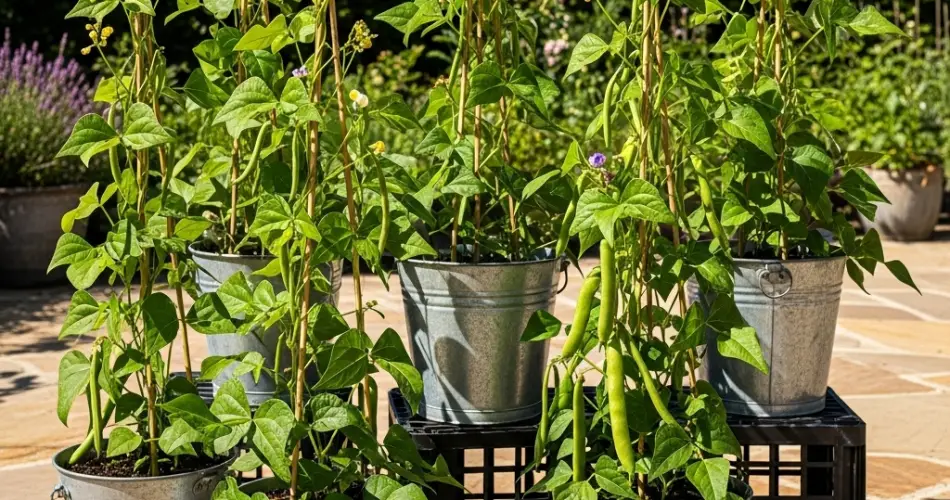
Green beans are a nutritious and versatile vegetable that can be grown successfully at home, even in small spaces. Container gardening provides a practical solution for gardeners with limited yards, balconies, or patios. Growing green beans in pots allows for control over soil, water, and sunlight, making it easier to achieve a healthy, productive harvest. With simple steps and consistent care, you can enjoy fresh green beans directly from your home garden.
Why Grow Green Beans in Pots?
Container gardening offers several advantages:
-
Space efficiency – Perfect for urban dwellers or those with limited garden space.
-
Soil control – Allows gardeners to provide nutrient-rich, well-draining soil tailored to green beans.
-
Mobility – Pots can be moved to follow sunlight, avoid harsh weather, or protect plants from pests.
-
Pest and disease management – Growing beans in pots reduces exposure to soil-borne pests and diseases.
By cultivating green beans in containers, gardeners can produce high-quality beans in a manageable and organized way.
Step 1: Choosing the Right Pot
The container is critical for green bean growth:
-
Size – Select a pot with at least 5 gallons (19 liters) of soil capacity. This ensures room for roots to develop and supports vigorous growth.
-
Drainage – Ensure multiple drainage holes at the bottom to prevent waterlogging and root rot.
-
Material – Plastic, clay, or fabric pots are suitable as long as they can hold soil and moisture reliably.
A properly sized container promotes healthy roots and strong bean plants.
Step 2: Preparing the Soil
Green beans thrive in fertile, well-draining soil:
-
Soil mix – Combine garden soil, compost, and perlite or coarse sand in equal parts. This mixture retains moisture while providing proper drainage.
-
Soil pH – Green beans prefer slightly acidic to neutral soil, ideally between 6.0 and 7.0.
-
Fertilization – Use a balanced, slow-release fertilizer before planting to support early growth and healthy foliage.
Well-prepared soil ensures steady growth and promotes higher yields.
Step 3: Planting Green Beans
Green beans can be grown from seeds or seedlings:
-
Seed planting – Sow seeds directly in the pot, about 1 inch (2.5 cm) deep. Space seeds 2–3 inches (5–7 cm) apart.
-
Seedlings – Transplant 3–4 week-old seedlings into the pot, keeping similar spacing.
-
Support – For climbing varieties, provide a trellis, stakes, or netting to encourage vertical growth. Bush types require no support.
Proper planting and spacing reduce competition for nutrients and encourage healthy, productive plants.
Step 4: Watering
Green beans require consistent moisture without waterlogging:
-
Initial watering – Water thoroughly after planting to settle the soil around seeds or seedlings.
-
Ongoing care – Keep soil evenly moist, especially during flowering and pod formation. Avoid overwatering, which can cause root rot.
-
Watering technique – Water at the base of the plant to reduce wet foliage, which can lead to fungal issues.
Balanced watering supports strong root development and abundant bean production.
Step 5: Sunlight and Placement
Green beans need adequate sunlight to thrive:
-
Light requirements – Place pots in areas receiving at least 6–8 hours of direct sunlight daily.
-
Temperature – Green beans grow best in temperatures between 65–85°F (18–29°C). Protect plants from frost or extreme heat.
Proper sunlight ensures vigorous growth and encourages flowering and pod formation.
Step 6: Fertilization and Maintenance
Ongoing care ensures a continuous, productive harvest:
-
Feeding – Apply a balanced liquid fertilizer every 2–3 weeks during the growing season to support flowering and pod development.
-
Pruning – Remove yellowing or damaged leaves to improve airflow and prevent disease.
-
Pest monitoring – Check for aphids, mites, or leaf beetles and address infestations promptly.
Regular maintenance helps maximize yields and keeps plants healthy.
Step 7: Harvesting
Harvesting at the right stage ensures tender, flavorful beans:
-
Timing – Pick green beans when they are firm, smooth, and about 4–6 inches long, depending on the variety.
-
Frequency – Harvest every few days to encourage continuous pod production.
-
Technique – Use scissors or gently snap pods from the plant to avoid damaging stems.
Consistent harvesting keeps plants productive throughout the growing season.
Final Thoughts
Growing green beans in pots is a practical and rewarding way to enjoy fresh, homegrown vegetables. By selecting the right container, preparing nutrient-rich soil, planting seeds or seedlings correctly, providing consistent water and sunlight, and maintaining ongoing care, gardeners can achieve a continuous harvest of flavorful green beans.
Even on small balconies or patios, container-grown green beans provide a reliable source of fresh, nutritious produce, making them an excellent addition to any home garden.


