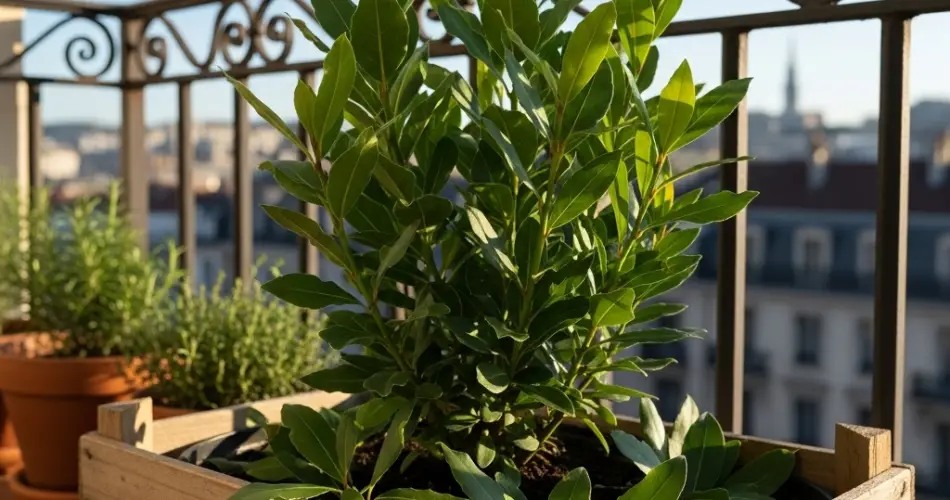
Bay leaf trees, also known as bay laurel, are a prized addition to any kitchen garden. Their aromatic leaves are essential in soups, stews, sauces, and marinades, offering rich flavor to countless dishes. Traditionally grown in large gardens or pots, bay leaf trees can also thrive in small spaces when cultivated in wooden crates. This method is perfect for balcony gardening, patios, or urban apartments where space is limited. With the right approach, these container-grown trees can remain healthy, productive, and visually appealing throughout the year.
Selecting the Right Wooden Crate
Choosing the right container is the first step in small-space bay tree gardening. Wooden crates are ideal because they are sturdy, allow air circulation, and help maintain moisture in the soil. A crate at least 12–18 inches deep provides enough room for the tree’s root system. Adequate drainage is essential, so ensure your crate has holes at the bottom or create them to prevent water accumulation that could damage roots. Using reclaimed or rustic wooden crates adds charm to your small garden while promoting sustainability. Opt for untreated wood to avoid chemical contamination of the soil.
Preparing Soil for Bay Trees
Bay leaf trees prefer fertile, well-draining soil. A mixture of garden soil, compost, and a small amount of coarse sand or perlite provides the ideal growing medium. This combination retains moisture while preventing waterlogging, which is crucial for healthy root development. Before planting, mix in a slow-release organic fertilizer to provide steady nutrients during the growing season. While bay trees are relatively low-maintenance feeders, occasional liquid fertilizer applications encourage vigorous growth and enhance leaf quality.
Choosing the Right Bay Leaf Variety
For container gardening, dwarf or compact varieties are preferable. These plants remain manageable in limited spaces while producing abundant foliage. Healthy nursery-grown trees provide a strong start and are less susceptible to transplant shock. Compact bay varieties are well-suited for wooden crates, allowing you to cultivate a functional and attractive small-space herb garden without overwhelming the area.
Planting Bay Leaf Trees in Crates
Bay trees can be planted directly into crates with prepared soil. Create a small mound in the center to support the root ball, then place the tree at the same depth it was growing in its nursery pot. Fill in around the roots with soil, pressing lightly to eliminate air pockets. If planting more than one tree, ensure at least 12–18 inches of space between them to allow adequate airflow. Place your crate in a sunny spot where the trees receive at least 4–6 hours of sunlight per day. Bay trees thrive in bright light but can tolerate partial shade.
Watering and Mulching
Proper watering is essential for container-grown bay trees. Wooden crates tend to dry out faster than garden beds, so check the soil regularly and water when the top inch feels dry. Water thoroughly to ensure moisture reaches the roots. Mulching with straw, shredded leaves, or bark chips helps retain soil moisture, moderates temperature, and reduces weeds. Regular watering and mulching promote strong roots, lush foliage, and overall plant health.
Pruning and Maintenance
Pruning is important for maintaining the shape and health of bay leaf trees. Trim back overgrown or leggy branches, and remove yellow or damaged leaves. This encourages new growth and keeps the tree looking neat. Regular pruning also improves air circulation, reducing the risk of pests and diseases. Monitor for common pests such as aphids and scale insects, which can be controlled with organic methods like neem oil or insecticidal soap.
Harvesting Bay Leaves
Bay leaves can be harvested once the tree has established healthy foliage. Pick leaves from outer branches, leaving the inner growth intact for continued development. Regular harvesting encourages new leaf production, ensuring a steady supply for cooking. Fresh bay leaves can be stored in the refrigerator for short-term use or dried for long-term storage.
Final Tips for Small-Space Bay Tree Gardening
Growing bay leaf trees in wooden crates is a practical and aesthetically pleasing way to enjoy fresh herbs in small spaces. Selecting the right crate, preparing nutrient-rich soil, and maintaining consistent watering are key to success. Support healthy growth with regular pruning, pest monitoring, and occasional fertilization. Using reclaimed crates promotes sustainability and adds a rustic touch to balconies, patios, or urban gardens. With proper care, container-grown bay trees will provide aromatic leaves, greenery, and culinary convenience, making them a rewarding addition to any small-space garden.


