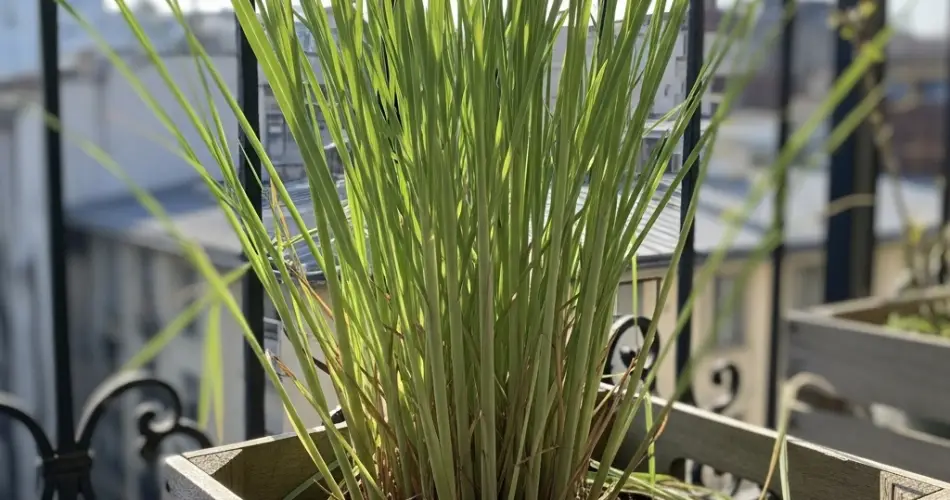
For those who love gardening but have limited outdoor space, growing herbs in creative containers can be both rewarding and practical. One excellent choice for compact urban gardens is lemongrass, a fragrant and versatile plant that thrives in warm climates. With its tall, graceful leaves and citrusy aroma, lemongrass not only enhances your cooking but also adds a touch of greenery and freshness to small balconies, patios, or windowsills. Using DIY crate planters is a clever way to cultivate lemongrass in restricted spaces, providing both functionality and rustic charm.
Why Grow Lemongrass in Crates?
Lemongrass is a hardy, sun-loving plant that adapts well to container gardening. While many people grow it in traditional pots, wooden crates offer a unique advantage. Their larger volume supports healthy root systems, helping the plant grow taller and fuller. The rectangular shape of crates makes them easy to arrange along walls, railings, or stacked in tiers, saving space while allowing for multiple plants to grow together.
In addition, crate planters add a decorative element to small spaces. Their natural wooden finish creates a warm, rustic aesthetic that complements the lush greenery of lemongrass. They are also inexpensive and can often be upcycled from fruit crates or wooden boxes, making them an eco-friendly option for sustainable gardening.
Choosing and Preparing the Crate
To start, select a sturdy wooden crate that is at least 12–16 inches deep. Depth is essential because lemongrass has long roots that need ample space to expand. Check that the wood is untreated or use a non-toxic sealant to prevent chemicals from leaching into the soil.
Drill several drainage holes in the bottom to avoid water buildup, which can cause root rot. Lining the inside with landscape fabric or burlap will keep soil contained while allowing excess water to escape. To extend the life of your crate, elevate it slightly off the ground using pot feet or bricks to prevent the wood from sitting in water.
The Best Soil Mix for Lemongrass
Healthy soil is the foundation for a thriving lemongrass plant. A crate planter should be filled with a light, well-draining soil mix that retains some moisture but avoids waterlogging. A good blend includes:
-
50% high-quality potting mix for structure
-
30% compost or aged manure for nutrients
-
20% coarse sand or perlite for improved drainage
Lemongrass prefers a slightly acidic to neutral pH, between 6.0 and 7.0. Mixing in a slow-release organic fertilizer at planting time will give your plant a strong start.
Planting Lemongrass
There are two main ways to start lemongrass in crates: from nursery seedlings or from fresh stalks purchased at the market. If using stalks, choose those with intact bases. Place them in a glass of water for a week until roots and small shoots appear, then transplant them into the crate.
Plant each stalk or seedling about 6–8 inches apart, ensuring they have enough room to grow into a clump. Position the crate in a sunny spot—lemongrass requires at least 6 hours of direct sunlight daily to thrive.
Watering and Feeding
Lemongrass thrives in consistently moist soil, especially during warm months. Check the soil regularly and water when the top inch feels dry. In summer, daily watering may be needed, while cooler months require less frequent care. Avoid waterlogging, as lemongrass does not tolerate soggy roots.
For feeding, apply a balanced liquid fertilizer or compost tea every 3–4 weeks during the growing season. This will keep the foliage lush and green while encouraging the plant to develop flavorful stalks.
Maintenance and Care
Lemongrass grows quickly in the right conditions, forming dense clumps of tall, slender leaves. To maintain its shape in a crate planter, trim back older leaves periodically and harvest stalks from the outer edges. Regular pruning encourages new growth and prevents the plant from becoming overcrowded.
If you live in a cooler climate, bring the crate indoors before frost arrives. Place it near a sunny window or under grow lights to keep it thriving during winter. In warmer regions, lemongrass can remain outdoors year-round with minimal protection.
Harvesting Lemongrass
One of the joys of growing lemongrass is harvesting fresh stalks for cooking. Once the plant is well-established, usually after 4–6 months, you can begin harvesting. To do this, cut mature stalks close to the base, leaving the younger shoots to continue growing.
The thick, white lower stalks are most commonly used in cooking, adding citrusy flavor to soups, teas, stir-fries, and marinades. The long green leaves can also be used for herbal teas or as aromatic additions to stews.
Pest and Disease Prevention
Lemongrass is generally resilient, but it can occasionally be affected by rust, aphids, or fungal diseases in overly damp conditions. To prevent problems, ensure good airflow around the crate, avoid overcrowding, and water at the base rather than on the leaves. If pests appear, treat them with neem oil or insecticidal soap.
Final Thoughts
DIY crate planters provide a practical and stylish way to grow lemongrass in small spaces. With the right soil mix, consistent watering, and plenty of sunlight, this aromatic herb will thrive even on the smallest balcony or patio. Not only will you enjoy the fresh supply of lemongrass for your kitchen, but you’ll also create a beautiful green feature that adds texture and fragrance to your outdoor space.
Whether you’re an experienced gardener or a beginner looking to try something new, crate-grown lemongrass is a simple yet rewarding project that combines functionality, sustainability, and charm.


