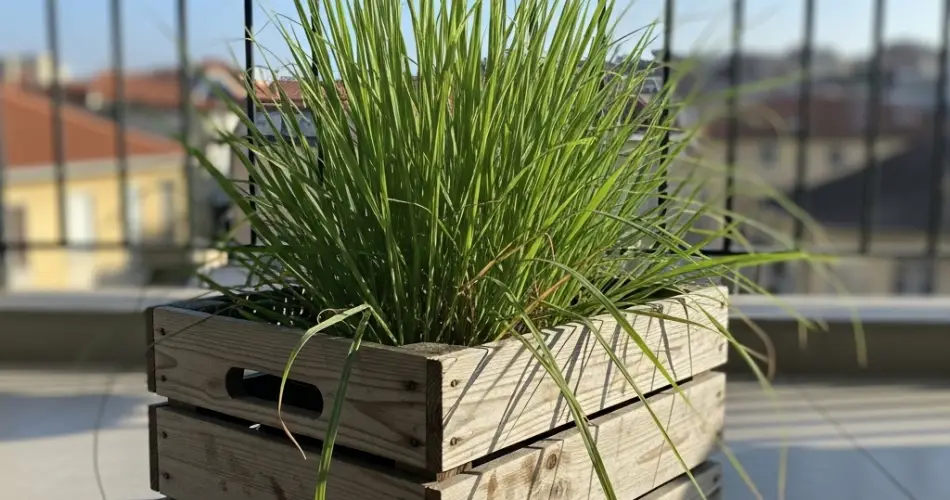
Lemongrass is a fragrant, flavorful herb widely used in teas, soups, and stir-fries. Its citrusy aroma and unique taste make it a favorite among home cooks, while its tall, graceful leaves add a touch of greenery to any space. For urban gardeners or anyone with limited outdoor space, growing lemongrass in wooden crates is an efficient and rewarding solution. Not only does this method make the most of small balconies or patios, but it also transforms simple reclaimed crates into a productive and attractive mini-garden.
Choosing the Right Crate
The first step in growing lemongrass in containers is selecting the right crate. Wooden crates are ideal because they are sturdy, allow airflow to the roots, and help maintain soil moisture. Choose a crate that is at least 12 inches deep to accommodate the herb’s extensive root system. Adequate drainage is essential, so ensure your crate has holes at the bottom or create them yourself. Using reclaimed crates adds charm to your balcony and promotes sustainable gardening practices. Untreated wood is recommended to avoid chemicals leaching into the soil.
Preparing the Soil
Lemongrass thrives in well-draining, nutrient-rich soil. A mixture of garden soil, compost, and a small amount of coarse sand or perlite works best. This combination ensures proper drainage while providing the nutrients necessary for healthy root and leaf development. Before planting, mix in a slow-release organic fertilizer to supply a steady source of nutrients throughout the growing season. Although lemongrass is relatively low-maintenance, supplementing the soil with liquid fertilizer every few weeks encourages vigorous growth and keeps the leaves vibrant.
Selecting Lemongrass Stalks
Lemongrass can be propagated from stalks or divisions from existing plants. When purchasing stalks, look for firm, healthy stems with green tops and white bases. Each stalk should have visible root nodes or small roots for successful growth. Compact or dwarf lemongrass varieties are especially suited for balcony crates, as they are easier to manage and still produce abundant leaves for culinary use.
Planting Lemongrass in Crates
To plant lemongrass, fill the crate with prepared soil and create small holes for each stalk. Place the stalks about 6–8 inches apart to allow room for growth. Cover the roots or base with soil and press lightly to ensure stability. Water thoroughly after planting to help the roots establish. Place the crate in a sunny location that receives at least 6–8 hours of direct sunlight daily. Lemongrass thrives in full sun, which encourages strong, upright growth and flavorful leaves.
Watering and Mulching
Consistent moisture is critical for lemongrass. Wooden crates can dry out faster than garden beds, so check the soil regularly and water deeply when the top inch feels dry. Mulching with straw, shredded leaves, or coconut coir helps retain moisture, regulate soil temperature, and reduce weeds. Proper watering and mulching support robust root systems and encourage tall, healthy stalks.
Maintaining Healthy Growth
Routine maintenance is important to keep your lemongrass productive. Trim any brown or damaged leaves regularly to encourage new growth. Fertilize every few weeks with a balanced liquid fertilizer to provide essential nutrients. Watch for pests such as aphids or spider mites, which can be managed with organic solutions like neem oil or insecticidal soap. Proper care ensures that your lemongrass remains healthy, tall, and fragrant.
Harvesting Lemongrass
Lemongrass is ready for harvest once the stalks are firm and about 12 inches tall. Cut the stalks at the base near the soil level, leaving the roots intact to encourage regrowth. Harvest outer stalks first while allowing inner growth to continue developing. Freshly harvested lemongrass can be used immediately in teas, soups, and recipes or stored in the refrigerator for short-term use. Regular harvesting promotes continuous growth and ensures a steady supply of flavorful stalks throughout the season.
Final Tips for Balcony Gardening Success
Growing lemongrass in crates is a practical and sustainable solution for small-space gardening. Selecting the right crate, preparing nutrient-rich soil, and maintaining consistent watering are essential steps for success. Supporting healthy growth through pruning, fertilization, and pest management ensures productive plants and flavorful leaves. Reclaimed wooden crates not only optimize space but also add rustic charm to your balcony or patio. With proper care, your crate-grown lemongrass will provide a continuous supply of fresh, aromatic stalks while enhancing the beauty of your small-space garden.


