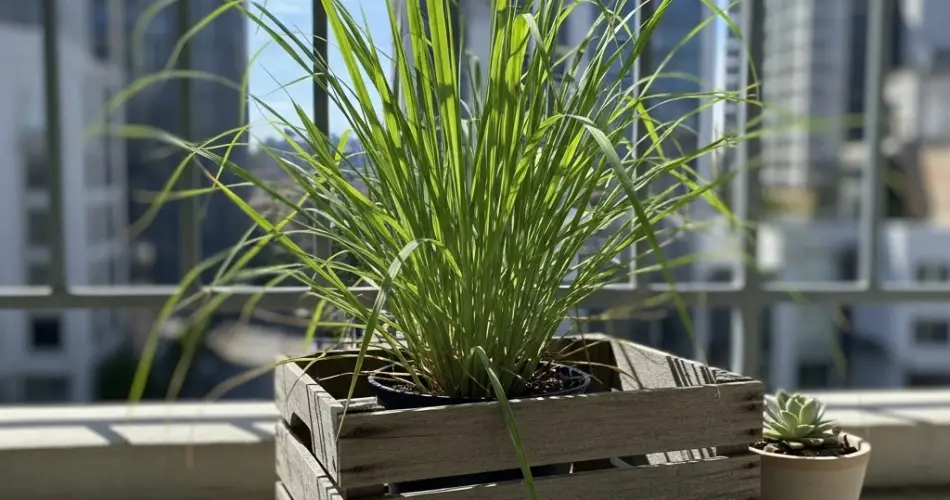
Urban gardening is gaining popularity as more people look for ways to grow their own food, even with limited space. Among the many herbs suited for container growing, lemongrass stands out for its vibrant citrus flavor, versatility in the kitchen, and easy care. If you have old wooden crates lying around, you can transform them into functional and eco-friendly planters for cultivating this fragrant herb. Reusing crates not only reduces waste but also adds rustic charm to your home garden.
Why Choose Crates for Lemongrass?
Lemongrass is a tall, clumping herb that thrives in sunny, warm conditions. While it can grow in the ground, it adapts beautifully to container gardening, making it ideal for balconies, patios, and even sunny windowsills. Crates are especially useful because they provide a wide, deep space for the roots, ensuring healthy growth.
Wooden crates are also inexpensive and sustainable. Instead of discarding old fruit or storage crates, repurpose them into planters that can support lush greenery. Their rectangular shape makes them easy to place against walls or in rows, maximizing limited balcony space while giving your garden a neat and organized look.
Preparing Old Crates for Planting
Before planting lemongrass, your crate needs a bit of preparation. Start by checking the wood—make sure it’s sturdy and free of rot. If the wood is untreated, consider applying a natural, non-toxic sealant to protect it from moisture.
Drill drainage holes in the base of the crate to allow excess water to escape, as lemongrass dislikes soggy soil. Lining the inside with burlap or landscape fabric will help retain soil while still allowing proper drainage. If the crate has large gaps between slats, you can reinforce it with additional planks or use a plastic liner with holes punched at the bottom. Elevating the crate slightly with pot feet, bricks, or wooden blocks will also help extend its lifespan by preventing water damage.
The Ideal Soil Mix
Lemongrass flourishes in soil that is both fertile and well-draining. An effective mix for crate planters includes:
-
50% high-quality potting mix to provide structure
-
30% compost or aged manure to add nutrients
-
20% coarse sand or perlite to enhance drainage
The soil should be slightly acidic to neutral, with a pH between 6.0 and 7.0. Before planting, mix in a handful of slow-release organic fertilizer to give your lemongrass a strong foundation.
Planting Lemongrass in Crates
Lemongrass can be started from seedlings purchased at nurseries or from fresh stalks from the market. If using stalks, choose firm ones with intact bases. Place them in water for a week until roots and small shoots appear, then they’re ready for transplanting.
When planting in the crate, space each stalk or seedling 6–8 inches apart to allow clumps to expand. Position the crate in a sunny location, as lemongrass requires at least 6 hours of direct sunlight daily. On balconies, placing the crate near a railing or wall ensures maximum light exposure.
Watering and Feeding
Lemongrass loves moisture but not waterlogging. The goal is to keep the soil consistently damp, especially during warm months. Water whenever the top inch of soil feels dry. In summer, this might mean daily watering, while cooler months may require less.
Feed your lemongrass with a liquid fertilizer or compost tea every three to four weeks during the growing season. This encourages lush foliage and flavorful stalks. Because crate planters drain quickly, nutrients can leach out faster, making regular feeding important.
Caring for Your Lemongrass
Once established, lemongrass requires only basic care. Trim older leaves occasionally to encourage fresh growth and prevent overcrowding. If your crate planter begins to feel crowded after a season or two, you can divide the clumps and replant them in additional crates.
In cooler climates, crates are portable, which makes it easy to bring them indoors during winter. Place the crate near a sunny window or use grow lights to keep your lemongrass thriving until warmer weather returns.
Harvesting Lemongrass
Lemongrass typically takes four to six months to mature enough for harvest. To collect, pull or cut thick outer stalks close to the base, leaving the younger ones intact. The tender white lower portions are commonly used in soups, teas, curries, and marinades, while the long green leaves can be used to infuse teas or stews with a mild citrus flavor.
By harvesting regularly, you not only enjoy fresh lemongrass but also stimulate the plant to produce new growth, keeping it productive throughout the season.
Pest and Disease Prevention
While lemongrass is generally hardy, it may face issues like rust, aphids, or fungal problems in overly damp conditions. To prevent these, water at the base of the plant rather than on the leaves, provide adequate airflow around the crate, and avoid overcrowding. If pests appear, natural remedies such as neem oil or insecticidal soap are effective.
The Beauty of Crate Gardening
Repurposing old crates for growing lemongrass offers both practical and aesthetic benefits. You save money, reduce waste, and create a charming, eco-friendly planter that fits perfectly into small spaces. The lush, fragrant leaves of lemongrass bring life to balconies, patios, or even kitchen corners, while giving you a fresh supply of this versatile herb.
With just a little preparation and care, your old crates can transform into thriving mini-gardens that provide both beauty and flavor to your home. Growing lemongrass this way proves that even in limited spaces, you can enjoy the satisfaction of cultivating your own food.


