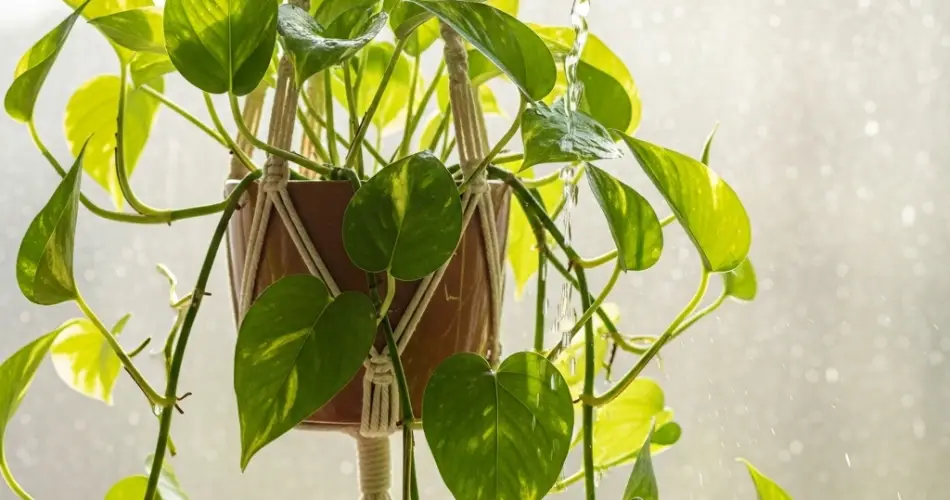
Pothos, also known as Devil’s Ivy, is celebrated for being a low-maintenance indoor plant. However, even this hardy green friend can show signs of distress when its watering needs aren’t met. One of the most common mistakes new plant owners make is misjudging when and how much to water their pothos.
Understanding the signs of overwatering and underwatering can help you correct the issue before it affects your plant’s health. Here’s how to spot the differences and what to do if your pothos is receiving too much—or too little—water.
Understanding Pothos Watering Needs
Pothos prefers slightly dry conditions rather than soggy soil. Its native environment is tropical, but when grown indoors, it adapts best to moderate watering schedules that let the soil dry out a bit between sessions. Typically, watering once every 1–2 weeks works, but timing depends on pot size, room temperature, humidity, and light exposure.
Signs of Overwatering a Pothos
Overwatering is more harmful to pothos than underwatering. Constantly soggy soil leads to oxygen deprivation at the roots and invites root rot. Here are some key signs your pothos may be getting too much water:
1. Yellowing Leaves
One of the earliest and most noticeable symptoms of overwatering is yellow leaves. If several leaves—especially the lower ones—start turning yellow at once, and the soil is still damp, overwatering is likely the culprit.
2. Wilting Despite Moist Soil
It may seem counterintuitive, but pothos leaves can wilt if the roots are drowning. If your plant is drooping and the soil is wet, the roots may be suffocating from excess water.
3. Mushy or Black Roots
Carefully remove the plant from its pot and inspect the roots. Healthy roots are white or light tan. If they’re dark, mushy, or smell foul, it’s a clear sign of root rot caused by too much moisture.
4. Fungus Gnats or Mold
Persistent moisture attracts fungus gnats and mold. If you notice tiny black flies hovering near the soil or fuzzy white mold on the surface, the potting mix may be overly wet and poorly ventilated.
Signs of Underwatering a Pothos
While pothos can tolerate occasional drought, extended dry spells can take a toll. Here’s what to look for when the plant isn’t getting enough water:
1. Crispy, Brown Leaf Edges
Dry, crunchy leaf edges or tips usually indicate a lack of water. Unlike yellowing from overwatering, underwatered leaves turn brown first and may curl inward.
2. Drooping Leaves and Vines
A thirsty pothos will look limp or droopy. Unlike drooping due to overwatering, the soil will feel completely dry, and the leaves may feel thinner or papery.
3. Slow or Stalled Growth
If your pothos hasn’t put out any new leaves in several weeks and the soil is consistently dry, it may be too dry to support growth.
4. Soil Pulling Away from the Pot
When the potting mix becomes extremely dry, it can shrink and pull away from the sides of the pot. Water may then run down the sides without soaking in, leaving the roots parched.
How to Fix Overwatering Issues
If you suspect overwatering, act quickly to prevent root damage:
-
Let the soil dry out completely before watering again.
-
Remove yellow or mushy leaves to reduce stress on the plant.
-
Improve drainage by using a well-draining soil mix and a pot with drainage holes.
-
Repot the plant if root rot is advanced. Trim away any affected roots and replant in fresh, dry soil.
How to Fix Underwatering Issues
If your pothos is showing signs of dehydration:
-
Water thoroughly until it drains out of the bottom of the pot.
-
Check the soil weekly, and water again when the top 1–2 inches are dry.
-
Avoid letting the soil go bone dry for too long, especially in warm, dry indoor conditions.
-
Consider humidity—running a humidifier or grouping plants together can slow soil evaporation.
How to Prevent Watering Problems
To maintain a happy pothos, keep a consistent watering routine based on observation rather than a strict schedule.
-
Check soil moisture with your finger—only water when the top inch feels dry.
-
Use a moisture meter if you want a more accurate reading.
-
Adjust frequency seasonally—water less in winter when growth slows and more during warm, bright months.
-
Choose the right pot—always use containers with drainage holes to avoid trapped water.
Final Thoughts
Pothos plants don’t require constant attention, but they do need balanced care—especially when it comes to watering. By learning to recognize the signs of too much or too little water, you can keep your pothos vibrant and healthy. With the right watering habits, your plant will reward you with long vines, shiny leaves, and resilient growth for years to come.


