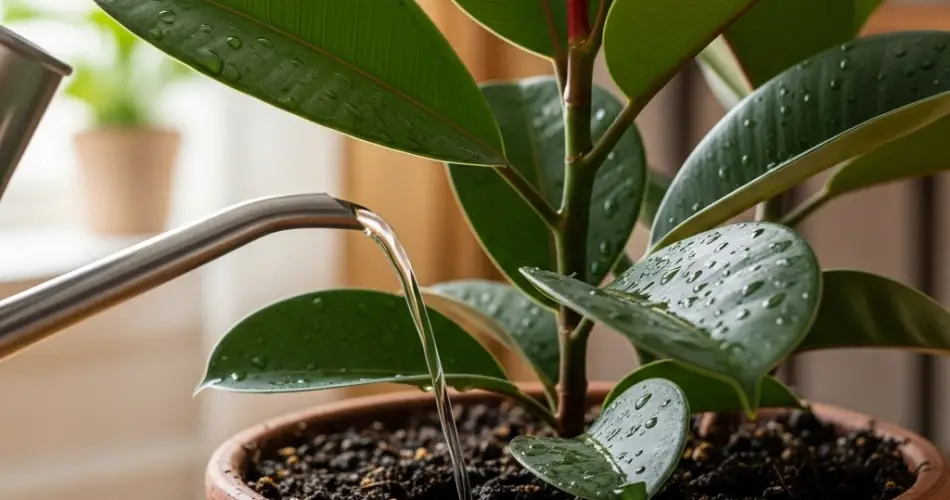
Rubber plants (Ficus elastica) are a popular choice for indoor greenery thanks to their striking, glossy leaves and upright form. As low-maintenance as they may seem, watering them correctly—especially as seasons shift—is crucial for healthy, vibrant growth. Improper watering, whether too much or too little, is one of the leading causes of problems like leaf drop, browning edges, or root rot.
Because environmental conditions such as temperature, humidity, and light levels change with the seasons, your rubber plant’s water needs will vary throughout the year. Understanding how to adapt your watering routine seasonally ensures your plant stays happy in any climate or region.
Here’s a complete seasonal watering guide for rubber plants, including practical tips for indoor growers.
Spring: Time to Increase Water Gradually
Spring marks the beginning of the growing season. As daylight increases and temperatures rise, your rubber plant becomes more active. During this phase, it begins producing new leaves and expanding its root system, which means it needs more moisture than it did in winter.
Watering Tips:
-
Start watering more frequently than in winter, but don’t rush. Let the top 1–2 inches (2.5–5 cm) of soil dry out before each watering.
-
Observe new growth—when leaves start to unfurl, it’s a clear sign the plant is waking up and needs hydration.
-
Ensure proper drainage to avoid soggy soil while meeting the plant’s increasing water needs.
Bonus Tip: This is a good time to inspect the roots and repot if your rubber plant seems rootbound.
Summer: Peak Growth and Higher Water Demand
Summer is the most active growing period for rubber plants. With warm temperatures and strong light, the plant grows rapidly and needs more water to support that growth. Evaporation is also higher, which dries out the soil faster.
Watering Tips:
-
Check the soil often—every 4–7 days depending on your climate.
-
Water thoroughly until it drains from the bottom of the pot.
-
Avoid letting the soil stay completely dry for too long, or your rubber plant may start to droop or develop dry patches.
Caution: Never allow the plant to sit in standing water. After watering, always empty any excess from the saucer.
Autumn: Slow Down the Watering
As temperatures start to drop and sunlight diminishes, your rubber plant begins to slow its growth. This is a transitional period, and your watering habits should adjust accordingly.
Watering Tips:
-
Reduce watering frequency gradually, allowing longer intervals between sessions.
-
Make sure the plant isn’t sitting near drafty windows or cold air, which can reduce evaporation and cause the soil to stay wet longer.
-
Always check the soil moisture before watering—even if it’s been a while since the last time.
Reminder: Rubber plants are sensitive to sudden changes. Make the shift from summer to autumn watering gradually.
Winter: Water Lightly and Carefully
In winter, most rubber plants enter dormancy or near-dormancy. Growth slows significantly, and the plant doesn’t absorb water as quickly. Overwatering during this season is one of the most common causes of root rot and yellowing leaves.
Watering Tips:
-
Cut back watering to once every 2–3 weeks, depending on your indoor environment.
-
Only water when the top 2 inches of soil are completely dry.
-
Reduce misting or avoid it altogether, as humidity in winter is often already low, and cool temperatures plus moisture can lead to fungal issues.
Avoid: Placing your rubber plant near heaters, radiators, or cold windows. These extreme environments can dry out or shock the plant, affecting water absorption.
General Year-Round Watering Advice
Regardless of the season, a few universal practices will help maintain healthy rubber plant hydration:
-
Use Room-Temperature Water: Cold water can shock the roots, especially during colder months.
-
Good Drainage Is Key: Always use well-draining soil and pots with holes to prevent root rot.
-
Watch the Leaves: Curling, drooping, or yellowing can be signs of watering issues—either too much or too little.
-
Stick to a Check-First Policy: Always feel the soil before watering. A moisture meter can help take the guesswork out.
Final Thoughts
Caring for a rubber plant doesn’t have to be complicated, but its water needs do fluctuate throughout the year. By aligning your watering schedule with seasonal changes and monitoring your plant’s behavior, you can avoid common issues and enjoy lush, glossy growth year-round.
Adjust your care as the weather shifts, and your rubber plant will continue to be a stunning centerpiece in any indoor space—no matter the season.


