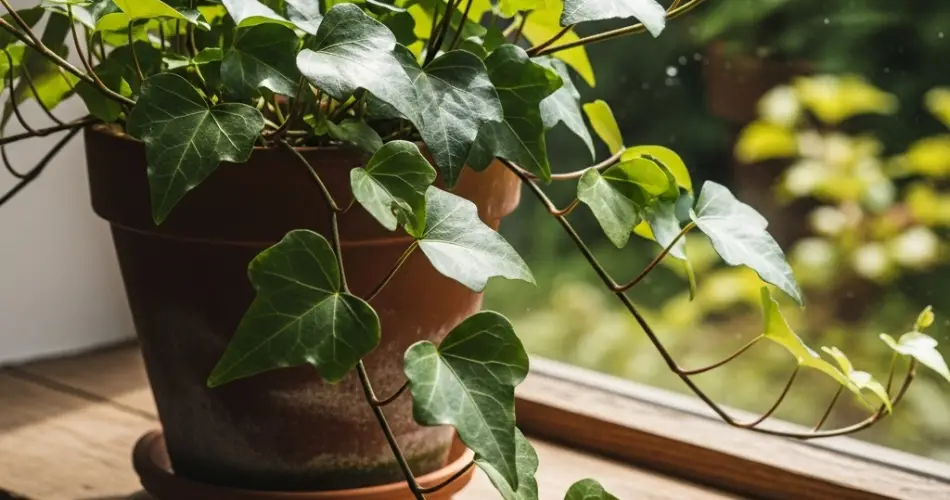
English ivy (Hedera helix) is a versatile plant, admired for its ability to adapt to various growing conditions and for its decorative, trailing vines. However, one of the most common challenges in caring for this plant is striking the right balance with watering. Both overwatering and underwatering can harm the plant, leading to leaf damage, poor growth, or even death if left unchecked.
Understanding the signs of water stress and learning how to adjust your care routine will help keep your ivy healthy and vibrant year-round.
Why Water Balance Matters
Like most plants, English ivy needs water to transport nutrients, maintain cell structure, and carry out photosynthesis. However, excess water can suffocate the roots, while too little can lead to dehydration. Both scenarios weaken the plant and make it more vulnerable to pests and diseases.
A key to success is knowing how to recognize symptoms early so you can correct watering issues before they cause lasting damage.
Signs of Overwatering
Overwatering is a common problem, especially for container-grown ivy where drainage may be limited. Excess moisture deprives roots of oxygen, encouraging rot and fungal growth.
Typical signs include:
-
Yellowing Leaves – If leaves, especially lower ones, start turning yellow and feel soft, overwatering is often the cause.
-
Wilting Despite Wet Soil – Overwatered plants may look wilted even though the soil is moist because the roots are damaged and can’t take up water effectively.
-
Mushy Stems – Soft, blackened stems at the base indicate root or stem rot.
-
Mold or Fungus Growth – A layer of white mold or algae on the soil surface can appear when the soil stays wet too long.
-
Leaf Drop – Severe overwatering can cause leaves to fall prematurely.
If these symptoms are present, it’s important to check the roots. Healthy roots are firm and white, while overwatered, rotting roots are brown and slimy.
Signs of Underwatering
Underwatering occurs when the plant does not receive enough moisture to sustain its normal growth. This can happen if you forget to water, if the plant is in a very warm environment, or if the potting soil dries out too quickly.
Common indicators include:
-
Dry, Crispy Leaves – Leaf edges may turn brown and brittle.
-
Drooping or Limp Stems – The plant may look wilted and lifeless.
-
Slow or Stunted Growth – Lack of water slows nutrient transport, halting new leaf development.
-
Leaf Curling – Ivy leaves may curl inward to conserve moisture.
-
Soil Pulling Away from the Pot – Severely dry soil can shrink and separate from the sides of the container.
Underwatering symptoms tend to appear more quickly in hot, sunny conditions or during periods of active growth.
How to Test Soil Moisture
The best way to avoid both problems is to regularly check soil moisture. Stick your finger about 1–2 inches into the soil:
-
If it feels dry, water the plant thoroughly until excess drains from the bottom.
-
If it feels moist, wait a few more days before watering again.
A moisture meter can also provide an accurate reading, especially for larger pots where it’s harder to judge by touch.
Correcting Overwatering
If you suspect overwatering:
-
Stop Watering Temporarily – Allow the soil to dry out before adding more water.
-
Check Drainage – Make sure the pot has holes and that water is not pooling at the bottom.
-
Repot if Necessary – If roots are rotting, trim away the damaged portions and repot the plant in fresh, well-draining soil.
-
Reduce Humidity – Place the plant in a location with better airflow to speed drying.
Correcting Underwatering
If your ivy is too dry:
-
Water Thoroughly – Soak the soil until water runs out of the drainage holes, ensuring roots are fully hydrated.
-
Rehydrate Dry Soil – If soil has hardened and repels water, submerge the pot in a basin of water for 15–20 minutes.
-
Increase Monitoring – During warm months, check moisture more often.
-
Adjust Placement – Move the plant out of intense heat or direct sunlight if it’s drying out too quickly.
Preventing Watering Issues
Consistent watering habits are key. A well-draining potting mix with added perlite or sand will help prevent water from sitting around the roots. Use containers with adequate drainage holes, and avoid letting the pot sit in a saucer of stagnant water.
Seasonal adjustments are also important—water more during active growth in spring and summer, and reduce frequency in fall and winter when growth slows.
Final Thoughts
Overwatering and underwatering are two sides of the same coin, both capable of causing significant stress to English ivy. The difference often comes down to observation and routine. By learning to spot early warning signs—yellowing leaves, crispy edges, wilting, or mold—you can take quick action to restore balance.
A healthy watering routine, combined with proper soil and drainage, will help your ivy thrive. With consistent care, your plant will reward you with lush, green growth and the resilience to handle changing conditions.


