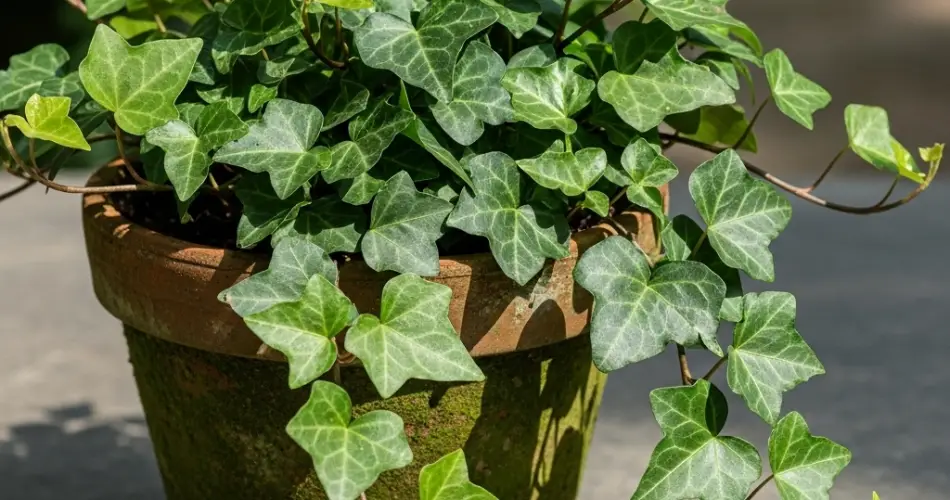
English ivy (Hedera helix) is a timeless favorite for indoor and outdoor greenery. With its rich foliage and naturally trailing vines, it can be trained into almost any shape—making it a versatile plant for decorative displays. Whether you want it cascading from a hanging basket, climbing a trellis, or forming intricate topiary designs, shaping and supporting your ivy can elevate its ornamental value.
Proper shaping not only enhances beauty but also promotes healthy growth. Here’s how to train, prune, and support your English ivy for stunning displays.
Choosing the Right Display Method
Before shaping your ivy, decide on the style you want:
-
Hanging Display: Perfect for allowing ivy to trail naturally from baskets or shelves.
-
Climbing Display: Ideal for walls, trellises, or moss poles where ivy can climb vertically.
-
Topiary Shapes: Suitable for creating decorative frames such as hearts, spheres, or spirals.
Each style has different support needs, so selecting the right structure early will help guide the training process.
Step 1: Selecting a Support Structure
The support structure should be sturdy, weather-resistant (if outdoors), and proportionate to your plant’s size. Popular choices include:
-
Wire Frames: Great for topiary and shaped designs.
-
Wooden Trellises: Perfect for vertical growth.
-
Moss Poles: Provide a natural look and help roots cling for stability.
-
Hooks and Wires: Useful for guiding vines along walls or ceilings.
Ensure your support is installed securely before training the ivy—adjusting it later can damage vines.
Step 2: Training the Vines
Once your support is in place, begin guiding the vines:
-
Start Early: Young, flexible stems are easier to train than older, woody ones.
-
Tie Gently: Use soft plant ties, twine, or strips of fabric to loosely secure vines to the support. Avoid tight knots that could damage the stems.
-
Direct the Growth: Encourage vines to follow your chosen path by wrapping or weaving them around the structure.
Check ties regularly and adjust them as the plant grows to avoid constricting stems.
Step 3: Regular Pruning for Shape
Pruning is essential for controlling ivy’s growth and maintaining its decorative form. Without it, the plant can quickly become overgrown or lopsided.
-
Timing: Prune during active growth periods, typically spring and summer.
-
Method: Use clean, sharp scissors or pruning shears. Cut just above a leaf node to encourage branching.
-
Frequency: Light trimming every few weeks helps maintain shape, while heavier pruning can be done once or twice a year.
Pruning also stimulates denser foliage, making the display look fuller.
Step 4: Encouraging Healthy Growth
A beautifully shaped ivy plant depends on good health. Provide the following conditions:
-
Light: Bright, indirect sunlight is best. Too little light leads to leggy growth, while direct sun may scorch the leaves.
-
Watering: Keep soil evenly moist but not soggy. Let the top inch dry before watering again.
-
Humidity: Moderate humidity levels help keep foliage lush. Mist occasionally if your home is dry.
-
Fertilizing: Feed every 4–6 weeks during the growing season with a diluted balanced fertilizer.
Healthy ivy responds better to shaping and supports vigorous new growth for fuller displays.
Step 5: Creating Decorative Topiary Shapes
If you want to take your decorative ivy to the next level, try shaping it into specific designs:
-
Heart Shape: Use a wire frame bent into a heart and guide vines around both sides evenly.
-
Spiral Form: Attach the vine to a spiral stake, allowing it to wrap naturally.
-
Spherical Globe: Train ivy over a round frame for a bold centerpiece.
Patience is key—some shapes may take months to fill in completely. Keep trimming and training consistently to achieve the look you want.
Step 6: Maintaining Long-Term Shape
Once your ivy reaches the desired form, ongoing care is necessary to keep it looking its best:
-
Trim stray shoots promptly to prevent them from disrupting the shape.
-
Replace or reposition ties as the plant thickens.
-
Inspect regularly for pests like spider mites or aphids, which can damage foliage.
For climbing ivy on walls, check periodically that it isn’t damaging surfaces, especially painted or wooden areas.
Troubleshooting Common Problems
-
Sparse Growth: Increase light exposure and prune to encourage branching.
-
Yellow Leaves: Check for overwatering or poor drainage.
-
Uneven Shape: Rotate the plant periodically so all sides receive equal light.
By catching these issues early, you can prevent them from affecting the plant’s appearance.
Final Thoughts
Shaping and supporting English ivy is a rewarding way to enhance its natural beauty. With the right structure, consistent training, and regular pruning, your ivy can become a living work of art—whether it’s cascading gracefully, climbing elegantly, or forming a decorative topiary.
By combining healthy growing conditions with careful shaping, you’ll enjoy a lush, vibrant display that elevates any room or garden space.


