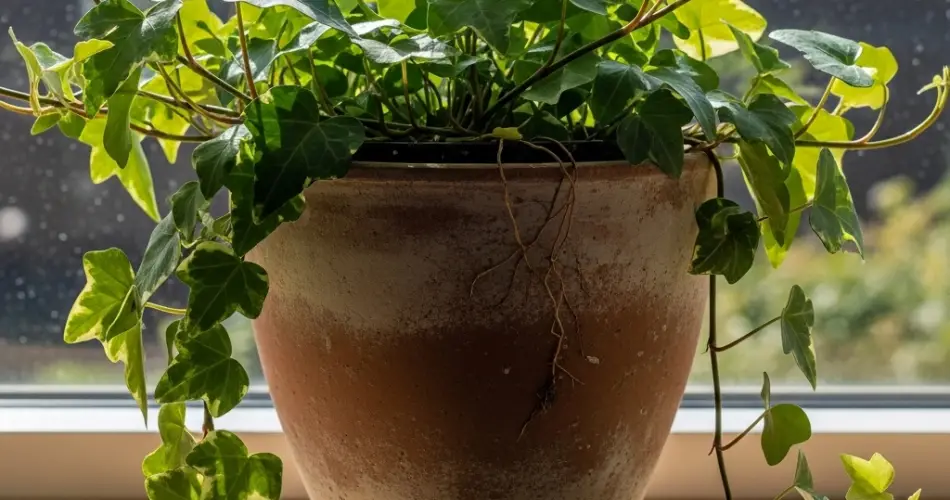
English ivy (Hedera helix) is admired for its elegant, trailing vines and ability to thrive in both indoor and outdoor containers. Its evergreen foliage makes it a decorative favorite, but like many plants, it can face challenges from pests and environmental stress. Maintaining plant health is essential to preventing infestations and keeping your ivy lush year-round.
With the right preventive measures and care techniques, you can protect your English ivy from common pests while promoting vigorous growth.
Recognizing Common Pests
While generally hardy, English ivy can be vulnerable to several pests, especially when grown indoors in warm, dry conditions.
Common culprits include:
-
Spider mites – Tiny, sap-sucking pests that cause stippled, yellowing leaves and fine webbing.
-
Aphids – Small, soft-bodied insects that cluster on new growth, leaving behind sticky honeydew.
-
Scale insects – Hard or soft bumps on stems and leaves that draw nutrients from the plant.
-
Mealybugs – Cottony white masses found on stems and leaf joints, feeding on plant sap.
Early detection is critical. Regularly inspecting your ivy helps prevent infestations from spreading.
Creating Unfavorable Conditions for Pests
Most pests thrive in dry, dusty, and poorly ventilated environments. By making conditions less inviting, you reduce the chances of an outbreak.
Preventive strategies:
-
Keep humidity at moderate levels, especially indoors.
-
Provide adequate airflow around the plant to discourage pests.
-
Avoid overfertilizing, which can produce soft, tender growth attractive to insects.
Dusty leaves can harbor pests, so gently wipe foliage with a damp cloth or give the plant a light shower periodically.
Maintaining Proper Watering Practices
Overwatering or underwatering can weaken ivy, making it more susceptible to pests and disease. Healthy plants are naturally more resistant to infestation.
Watering tips:
-
Check soil moisture before watering—water only when the top 1–2 inches are dry.
-
Avoid letting roots sit in standing water.
-
Reduce watering frequency during the plant’s slower winter growth period.
Balanced watering keeps ivy strong, ensuring its natural defenses remain active.
Feeding for Strong Growth
Healthy, well-fed plants are better equipped to withstand pest pressure. However, overfeeding can do more harm than good.
Fertilizing guidelines:
-
Use a balanced, water-soluble fertilizer during the growing season (spring and summer) every 4–6 weeks.
-
Dilute fertilizer to half the recommended strength for container-grown plants.
-
Avoid feeding in fall and winter when growth slows.
Strong root systems and sturdy foliage make it harder for pests to take hold.
Safe Pest Control Methods
If pests appear despite preventive care, act quickly to stop them from spreading.
Non-toxic solutions:
-
Insecticidal soap – Effective against soft-bodied insects like aphids and mealybugs.
-
Neem oil spray – Works as both a treatment and preventive, disrupting pest reproduction.
-
Isopropyl alcohol swabs – Dab directly on scale or mealybugs to kill them instantly.
Always test any treatment on a small section of the plant first to ensure there’s no damage to the leaves.
Pruning for Plant Health
Pruning is not just about shaping ivy—it’s a vital health measure. Removing old, damaged, or infested stems prevents pests from spreading and encourages fresh, healthy growth.
Pruning steps:
-
Use clean, sharp scissors or pruning shears.
-
Cut back any leggy, weak stems to promote bushiness.
-
Dispose of trimmed plant material away from healthy plants.
Pruning also improves air circulation, reducing fungal risks.
Quarantine New Plants
One of the most common ways pests invade is through new plants brought into your home or garden. Before placing a new plant near your English ivy, inspect it carefully for any signs of pests or disease.
If possible, keep it in a separate location for a week or two to ensure it’s pest-free.
Cleaning and Disinfecting Tools
Pests and pathogens can spread through contaminated gardening tools. Always clean and disinfect shears, scissors, and stakes before and after use, especially if you’ve been dealing with an infestation.
A simple wipe with isopropyl alcohol or a soak in a mild bleach solution works effectively.
Seasonal Care Adjustments
Pest pressures can vary throughout the year. In summer, spider mites may appear due to hot, dry air, while in cooler seasons, aphids may target tender new growth.
Adjust your plant care accordingly:
-
Increase humidity in hot months to discourage mites.
-
Monitor for aphids in spring when new shoots emerge.
-
Watch for scale and mealybugs during slower winter growth periods.
Final Thoughts
Keeping English ivy pest-free is as much about prevention as it is about treatment. By maintaining proper watering, balanced feeding, good airflow, and regular inspections, you create an environment where pests struggle to survive.
If infestations do occur, quick, gentle, and consistent action will restore plant health without harming the environment. With these pest prevention and plant health techniques, your English ivy can remain lush, vibrant, and a beautiful feature in your home or garden for many years.


