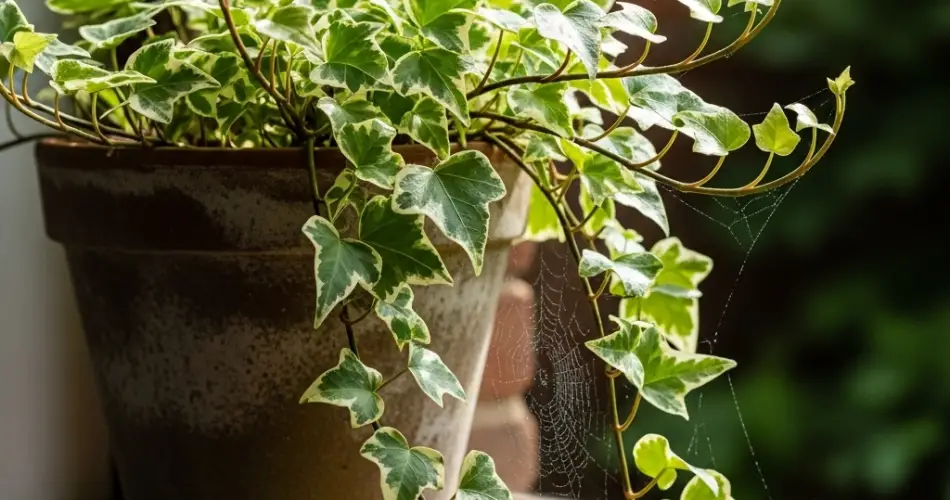
Ivy plants are admired for their trailing vines and vibrant green leaves, but they can quickly lose their charm when the foliage starts to droop. While a few limp leaves might not be a cause for concern, widespread drooping is often a sign that something is off—usually related to water, light, or both.
The good news is that ivy is a resilient plant. With timely adjustments, you can restore its vigor and bring it back to its lush, cascading beauty. Here’s how to revive droopy ivy by fine-tuning your watering routine and optimizing light exposure.
Why Ivy Leaves Droop
Drooping in ivy plants typically signals stress. This stress can come from:
-
Underwatering: The plant isn’t getting enough moisture to support its leaves, causing them to lose turgor pressure and hang limp.
-
Overwatering: Too much water can suffocate roots, leading to rot and poor nutrient absorption.
-
Inadequate Light: Without enough light, ivy can weaken, making leaves appear soft and lifeless.
-
Sudden Environmental Changes: Shifts in temperature, drafts, or relocation can temporarily stress the plant.
Identifying the cause is the first step toward a full recovery.
Step 1: Check the Soil Moisture
Before making any changes, assess the current moisture level in the soil:
-
Dry Soil: If the top inch is completely dry and crumbly, your ivy is likely underwatered.
-
Wet or Soggy Soil: If it feels overly wet and heavy, overwatering may be the culprit.
-
Evenly Damp Soil: If the soil is moist but the plant still droops, lighting or other environmental factors may be at play.
Using your finger to test the soil is simple but effective. For a more precise reading, consider using a moisture meter.
Step 2: Adjust Your Watering Routine
If Underwatered:
-
Water deeply, allowing excess to drain out of the pot’s bottom.
-
Resume a consistent schedule, checking the topsoil regularly to prevent it from drying out completely.
-
Use room-temperature water to avoid shocking the roots.
If Overwatered:
-
Stop watering until the top 2 inches of soil have dried out.
-
If root rot is suspected, gently remove the plant from the pot, trim damaged roots, and repot in fresh, well-draining soil.
-
Moving forward, water only when the top inch of soil is dry to the touch.
Tip: Ivy prefers evenly moist soil, so aim for balance—avoid both extremes.
Step 3: Improve Drainage
Proper drainage is essential to prevent drooping caused by root suffocation. Make sure your pot has drainage holes, and use a well-draining potting mix enriched with perlite or coarse sand. Empty saucers promptly after watering to keep roots from sitting in water.
Step 4: Optimize Light Conditions
Ivy thrives in bright, indirect light. Too little light can cause leaves to weaken and droop, while direct sunlight can scorch them.
-
Best Placement: A spot near an east- or north-facing window is ideal.
-
Avoid: Placing ivy in dark corners or under only artificial light for long periods without supplementation.
-
Light Boost: If natural light is limited, use a grow light to keep your plant healthy year-round.
Step 5: Maintain the Right Environment
Ivy plants prefer moderate indoor conditions:
-
Temperature: Keep between 60–75°F (15–24°C).
-
Humidity: Moderate levels are fine, but occasional misting can help during dry seasons.
-
Airflow: Good airflow helps prevent fungal issues without exposing the plant to strong drafts.
Avoid placing ivy near heating vents, radiators, or drafty windows, as these can cause leaves to dry out or become stressed.
Step 6: Pruning for Recovery
If your ivy has damaged or yellowing leaves, prune them away to encourage new growth. This not only improves the plant’s appearance but also directs energy to healthier parts of the plant. Use clean, sharp scissors to make clean cuts just above a healthy leaf node.
Step 7: Feeding for Strength
Once your ivy shows signs of recovery, feed it with a balanced, diluted liquid fertilizer every 4–6 weeks during the growing season (spring through early autumn). Avoid fertilizing during recovery from severe overwatering, as stressed roots can be further damaged by fertilizer salts.
How Long Until Ivy Recovers?
Recovery time depends on the severity of the issue. Mild drooping from underwatering can improve within hours after a proper watering, while recovery from overwatering or poor lighting may take several weeks. Be patient and consistent—ivy responds well to steady care.
Final Thoughts
Droopy ivy is a clear sign that something in its care routine needs attention. By assessing soil moisture, adjusting watering habits, improving light exposure, and maintaining a healthy environment, you can restore your plant’s energy and beauty.
With the right balance of water and light, your ivy will reward you with strong vines and vibrant foliage, turning any shelf, windowsill, or hanging basket into a lush, green display.


