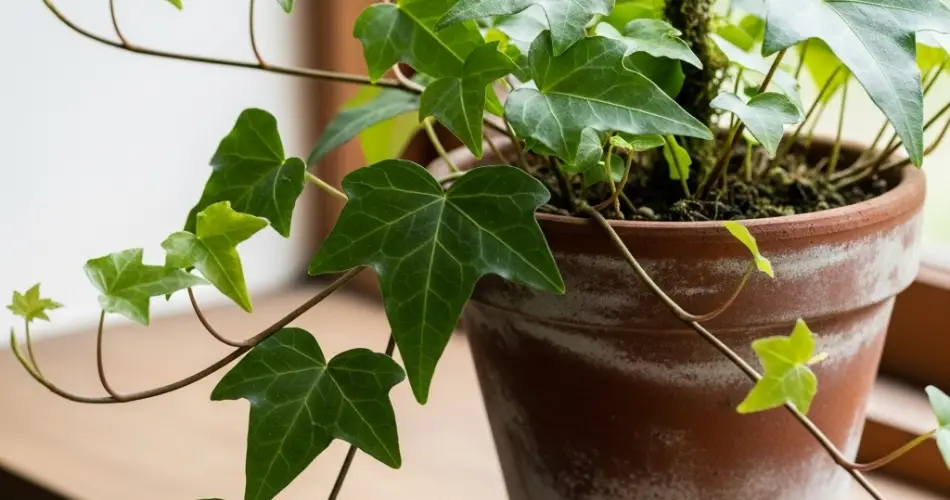
English ivy (Hedera helix) is a versatile and attractive plant that thrives indoors and outdoors. Its lush, trailing vines and evergreen leaves make it a favorite for hanging baskets, decorative pots, and wall displays. While it is hardy and adaptable, container-grown ivy requires proper maintenance to keep its foliage vibrant and its growth healthy.
By following the right care practices, you can ensure your English ivy stays beautiful and problem-free year-round.
Choosing the Right Container
The first step to healthy ivy is selecting an appropriate container. English ivy does not require overly large pots, as too much soil can retain excess moisture and lead to root rot.
Tips for selection:
-
Choose a pot with good drainage holes to prevent waterlogging.
-
Opt for a container size that allows some root space but keeps the plant slightly root-bound, which encourages fuller growth.
-
For hanging displays, use lightweight but sturdy pots to support trailing vines.
Terracotta pots are an excellent choice because they allow excess moisture to evaporate, reducing the risk of soggy roots.
Soil Requirements
English ivy prefers well-draining soil to keep its roots healthy. Heavy or compacted soils can suffocate roots and increase the risk of fungal issues.
Ideal mix:
-
Use a high-quality potting soil blended with perlite or coarse sand for added aeration.
-
Avoid overly rich or dense garden soil.
-
Refresh the potting mix every 12–18 months to maintain nutrient levels and prevent compaction.
Watering Practices
Ivy appreciates consistent moisture but dislikes soggy soil. The key is to water deeply but allow the top layer of soil to dry slightly between waterings.
Best approach:
-
Test soil moisture by inserting your finger 1–2 inches deep; water only if it feels dry at that depth.
-
Reduce watering frequency during winter when growth slows.
-
Empty saucers after watering to avoid stagnant water that can harm the roots.
Bottom-watering—placing the pot in a shallow tray of water for 15–20 minutes—can help keep leaves dry while thoroughly hydrating the plant.
Light Requirements
English ivy grows best in bright, indirect light but can adapt to a variety of light levels.
Light tips:
-
Indoors, place near east- or north-facing windows to provide soft light.
-
In brighter south- or west-facing spots, protect from harsh midday sun to prevent leaf scorch.
-
For low-light areas, choose a variegated variety with green-dominant foliage, as it tolerates shade better.
Insufficient light can cause leggy growth, while too much direct sun can damage delicate leaves.
Pruning and Training
Regular pruning keeps ivy looking neat and encourages bushier growth. Without it, vines may become too long and sparse.
Maintenance tips:
-
Trim back overgrown or leggy stems to promote branching.
-
Remove yellowing or damaged leaves promptly.
-
Train vines to grow along trellises, wires, or stakes for a structured display.
Pruning also helps improve airflow around the plant, reducing the risk of pests and disease.
Feeding and Fertilizing
A healthy feeding routine supports lush foliage and steady growth. However, overfertilizing can cause excessive soft growth prone to pests.
Fertilizer guide:
-
Use a balanced, water-soluble fertilizer every 4–6 weeks during spring and summer.
-
Dilute to half the recommended strength for indoor plants.
-
Avoid feeding during winter dormancy.
Humidity and Temperature
English ivy prefers cooler temperatures and moderate humidity. Indoor heating can cause dry air, which may lead to leaf browning.
Environmental tips:
-
Keep temperatures between 50–70°F (10–21°C).
-
Mist the leaves occasionally or place the pot on a pebble tray to increase humidity.
-
Avoid placing ivy near radiators, vents, or drafts.
Pest Prevention and Treatment
Ivy can be susceptible to spider mites, aphids, and scale insects, especially in dry indoor conditions.
Preventive care:
-
Inspect leaves regularly, especially the undersides.
-
Wipe foliage with a damp cloth to remove dust and deter pests.
-
If pests appear, treat with insecticidal soap or neem oil spray.
Keeping humidity levels up and avoiding plant stress also helps reduce pest problems.
Repotting and Renewal
While ivy doesn’t require frequent repotting, it benefits from a refresh every 2–3 years. This process replenishes nutrients and prevents roots from becoming overly compacted.
Steps for repotting:
-
Choose a pot just one size larger than the current container.
-
Gently loosen roots before placing in fresh potting mix.
-
Water thoroughly after repotting to help the plant settle in.
Final Thoughts
English ivy is a resilient and attractive container plant, but it thrives best with consistent, attentive care. By providing well-draining soil, the right amount of moisture, bright but indirect light, and regular pruning, you can maintain healthy, vigorous vines.
With a little routine maintenance and preventive measures against pests, your container-grown English ivy can remain lush and beautiful for many years, whether gracing your indoor spaces or adding charm to your outdoor garden.


