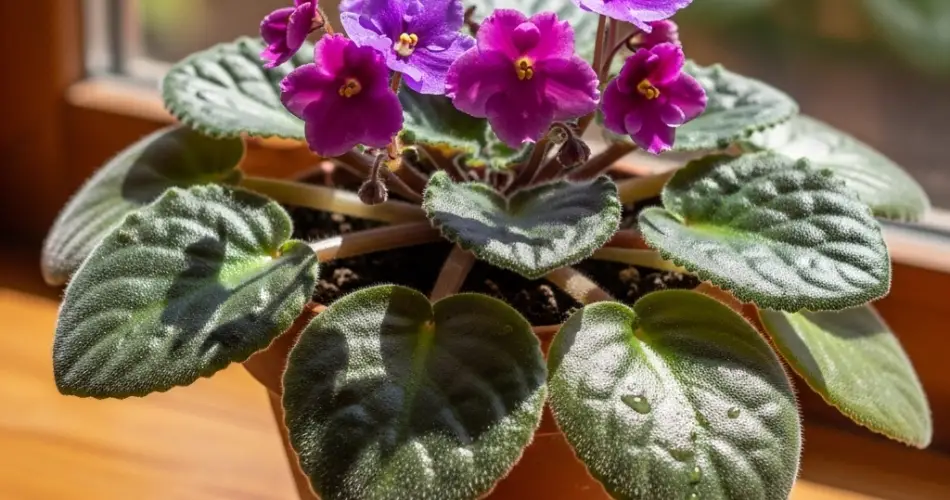
African violets are loved for their delicate blooms and velvety leaves, but keeping those leaves healthy and lush depends largely on providing the right amount of moisture. Too little water and the leaves will wilt or curl; too much water and you risk rot, fungal diseases, and leaf spotting.
The secret to success is understanding how to maintain consistent, balanced moisture without overdoing it. Here’s how to create the perfect watering routine for vibrant, happy African violet leaves.
Understanding Their Moisture Needs
African violets have shallow root systems that prefer a steady supply of moisture but dislike sitting in soggy soil. They thrive in slightly damp conditions—never bone-dry, but never waterlogged.
The leaves themselves are sensitive to water. Droplets on the surface can leave spots, especially if exposed to bright light afterward, so the method of watering is just as important as the frequency.
Signs of Improper Watering
Before you can improve your watering habits, it’s important to recognize when something is wrong:
-
Underwatering: Leaves feel limp, curl inward, or look dull. Soil pulls away from the pot’s edges.
-
Overwatering: Leaves turn yellow, develop mushy spots, or the crown begins to rot.
-
Water on Leaves: Brown or pale spots appear after droplets remain on the leaf surface.
By spotting these symptoms early, you can adjust your watering routine before permanent damage occurs.
Choosing the Best Watering Method
The way you deliver water can make a big difference in the health of your African violets.
1. Bottom Watering
Place the pot in a shallow dish of room-temperature water for about 20–30 minutes, allowing the soil to absorb moisture through the drainage holes. Once the top feels slightly damp, remove the pot from the dish and let it drain completely. This method keeps leaves dry and reduces the risk of spotting.
2. Wick Watering
For consistent moisture, insert a cotton wick through the drainage hole into a reservoir of water. The wick draws up just enough moisture for the plant’s needs. This method is especially useful if you travel frequently or forget to water on time.
3. Top Watering (With Care)
If you prefer top watering, use a narrow-spouted watering can to direct water onto the soil surface, avoiding the leaves and crown. Water until it begins to drain from the bottom, then empty the saucer to prevent the roots from sitting in water.
Water Quality Matters
African violets are sensitive to the quality of water you use. Hard water, chlorinated water, or water with high mineral content can leave residue on leaves or cause soil imbalances.
Best Practices:
-
Use room-temperature water to avoid shocking the roots.
-
Let tap water sit out for 24 hours to allow chlorine to dissipate.
-
Consider using filtered or distilled water if your tap water is hard.
Maintaining the Right Soil Moisture
Even the best watering method won’t work if the soil isn’t right. African violets need a light, airy mix that drains well yet retains some moisture.
Ideal Soil Mix:
-
50% peat moss for moisture retention.
-
25% perlite for aeration.
-
25% vermiculite to keep the soil loose.
This type of mix ensures that water moves through quickly, preventing soggy roots while still keeping the plant hydrated.
Humidity and Its Role
While watering affects soil moisture, humidity affects leaf health. African violets prefer moderate humidity—around 40% to 60%. Low humidity can make leaves dry and crispy, while excessive humidity can encourage fungal issues.
To maintain ideal humidity:
-
Place a tray of water with pebbles near the plants (but not under them).
-
Group plants together to create a microclimate.
-
Use a small humidifier in dry indoor environments.
Setting a Watering Schedule
Rather than watering on a strict calendar, water based on the plant’s needs. Check the soil daily by feeling the top layer. If it feels dry to the touch, it’s time to water.
On average, African violets need watering once a week in moderate conditions. In warmer months or when the air is dry, you may need to water more often. During cooler months, reduce frequency but still prevent the soil from drying out completely.
Extra Tips for Leaf Health
-
Rotate your plant weekly to ensure even growth and prevent leaves from leaning toward the light.
-
Avoid splashing fertilizer on leaves—dilute it in water and apply directly to the soil.
-
Groom regularly by removing faded flowers and damaged leaves, which improves airflow.
Final Thoughts
Balancing moisture for African violets is all about consistency. By using a proper watering method, maintaining quality soil, and controlling humidity, you can keep your plant’s leaves lush, firm, and spot-free.
Once you establish the right routine, your African violets will reward you with healthy foliage and continuous blooms, turning them into one of the most reliable and rewarding plants in your home.


