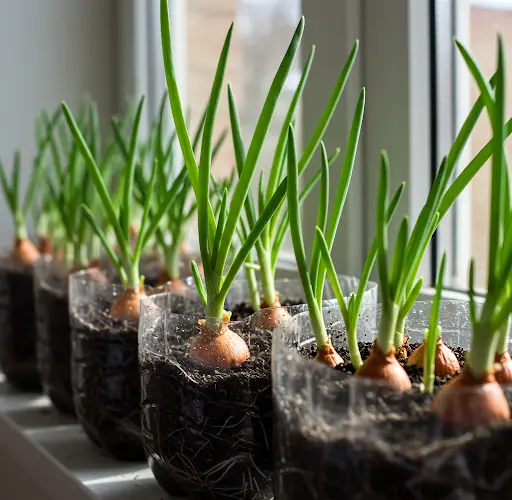
Onions are a staple in many kitchens, adding flavor and depth to a wide variety of dishes. But did you know that you can grow onions just about anywhere, even in small spaces? Whether you have a backyard garden, a balcony, or simply a windowsill, onions can thrive with a bit of care and attention. In fact, growing your own onions is easier than you might think and can yield great results with minimal effort.
Whether you’re a seasoned gardener or a beginner, these simple tips and techniques will help you grow onions anywhere, even in the most limited spaces.
Why Grow Onions?
Growing onions at home offers several benefits:
-
Freshness: Homegrown onions are more flavorful and fresh than store-bought varieties.
-
Variety: You can choose from a wide range of onion types, such as red, white, yellow, and even specialty varieties like shallots or green onions.
-
Sustainability: Growing your own onions helps reduce your carbon footprint, as you can avoid purchasing packaged onions that have traveled long distances.
-
Cost savings: Onions are relatively easy to grow and require minimal investment once you have the right setup.
What You’ll Need
Before you start planting, make sure you have the following materials:
-
Onion sets or seeds: Onion sets are small, immature bulbs that are ideal for beginners, as they’re easier to grow and mature faster. Seeds offer a wider variety but require a longer growing time.
-
Containers or raised beds: You can use containers, pots, or raised beds if you don’t have access to a garden. Choose containers with at least 6–8 inches of depth for root space.
-
Well-draining soil: Onions prefer loose, well-draining soil with plenty of organic matter. A mix of compost and potting soil works well.
-
A sunny spot: Onions require at least 6 hours of direct sunlight per day to grow successfully.
-
Watering can or hose: Onions need consistent moisture, but they don’t like sitting in waterlogged soil.
Step-by-Step Guide to Growing Onions Anywhere
Step 1: Choose Your Growing Method
You can grow onions in several ways, depending on the space you have available:
-
Containers: Onions can grow perfectly well in containers or pots. Use large pots with good drainage to allow the roots to expand.
-
Raised beds: Raised beds work well for onions, as they provide good drainage and the ability to control soil quality.
-
Garden beds: If you have a garden, onions can be grown directly in the ground, as long as the soil is well-draining.
If you’re limited on space, consider growing green onions (scallions), which can thrive in smaller containers and are ready to harvest in just a few weeks.
Step 2: Prepare the Soil
Onions prefer loose, well-drained soil with plenty of organic matter. Before planting, mix in compost or aged manure to ensure the soil is rich in nutrients. If your soil is heavy clay, consider adding sand or perlite to improve drainage.
If you’re using a container, fill it with a high-quality potting mix that drains well. Make sure your container has drainage holes to prevent the roots from becoming waterlogged.
Step 3: Planting the Onions
Using Onion Sets:
Onion sets are small bulbs that are ready to grow. Plant onion sets about 1–2 inches deep in the soil, spaced about 4 inches apart. They should be placed with the pointed end facing upward.
Using Onion Seeds:
If you’re using seeds, start them indoors in early spring, about 8–10 weeks before the last expected frost. Sow the seeds about 1/4 inch deep in seed trays or small pots. Once the seedlings are strong enough, transplant them into larger containers or your garden when they are about 4–6 inches tall.
Step 4: Care and Maintenance
Once your onions are planted, they need regular care to thrive.
-
Watering: Onions need consistent moisture, especially during dry spells. Water deeply to encourage strong root development, but avoid overwatering, which can lead to rot.
-
Fertilizing: Onions are relatively light feeders, but adding a balanced fertilizer or compost every 4-6 weeks will support their growth.
-
Weeding: Keep the area around your onions free of weeds, as they can compete for nutrients and water. If you’re growing in containers, be sure to check for weeds regularly.
-
Thinning: If you’re growing onions from seeds, you may need to thin the seedlings to about 4–6 inches apart to ensure each plant has enough space to grow.
Step 5: Harvesting Your Onions
Onions are ready to harvest when the tops begin to yellow and fall over. This typically occurs in late summer or early fall, depending on when you planted them. Once the tops have fallen, gently pull the onions from the soil and allow them to dry in a warm, shaded area for a few days.
For green onions, simply harvest them when they are about 6–8 inches tall by snipping off the greens with scissors.
Tips for Growing Onions Successfully Anywhere
-
Mulch: Applying a thin layer of mulch around your onions will help retain moisture and keep weeds at bay.
-
Rotate crops: To prevent soil depletion and reduce the risk of pests, avoid planting onions in the same spot year after year. Rotate them with other crops.
-
Pest control: Keep an eye out for pests like onion flies or aphids. Use organic pest control methods, such as neem oil or insecticidal soap, to keep them at bay.
-
Extended harvest: If you want to enjoy fresh onions all year, plant a mix of onion varieties with different maturation times, or stagger your planting so that you have a continuous harvest.
Final Thoughts
Growing onions is a rewarding and simple way to enjoy fresh, homegrown produce without needing a lot of space. By following these easy tips, you can successfully grow onions in containers, raised beds, or even small garden plots. With minimal care and the right conditions, you can have a bountiful supply of onions year-round, adding fresh flavor to your meals while enjoying the satisfaction of growing your own food.
Give it a try, and you’ll be amazed at how easy and enjoyable growing onions can be!


