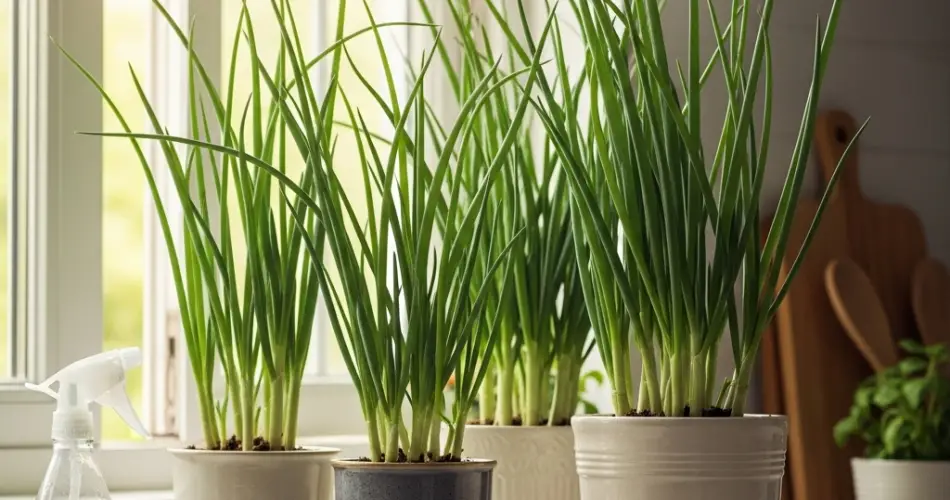
Scallions, also known as green onions or spring onions, are among the easiest and fastest-growing vegetables you can cultivate in containers. They require little space, grow well year-round in mild climates, and are incredibly versatile in the kitchen. Even if you don’t have a garden, you can grow fresh scallions on a balcony, patio, windowsill, or kitchen countertop.
This guide provides simple steps to grow scallions in pots, making it perfect for beginners, urban gardeners, and anyone who wants a low-maintenance crop that delivers quick results.
Why Grow Scallions in Containers?
Scallions are an excellent choice for container gardening for several reasons:
-
Fast-growing: Ready for harvest in just 3–4 weeks from planting.
-
Space-saving: They have shallow roots and don’t require deep containers.
-
Low-maintenance: Minimal fertilizing and no support structures needed.
-
Great for beginners: Easy to grow from seeds, sets, or kitchen scraps.
-
Continuous harvest: Regrow from cuttings and harvest as needed.
Their compact size and short growing cycle make scallions ideal for anyone looking to enjoy fresh homegrown greens without much effort or space.
Best Varieties of Scallions for Pots
Most scallion varieties grow well in containers. Some popular and reliable choices include:
-
‘White Lisbon’ – A fast-maturing classic green onion with a mild flavor.
-
‘Evergreen Bunching’ – Perennial in mild climates and perfect for cut-and-come-again harvesting.
-
‘Ishikura’ – A Japanese variety with long, tender stalks and a mild taste.
Choose based on your climate and taste preferences. All of these varieties can thrive in containers with basic care.
Choosing the Right Container
Scallions don’t need deep containers, but they do require adequate width to space multiple plants.
Container recommendations:
-
Depth: At least 6 inches
-
Width: 10–12 inches or more for multiple rows
-
Material: Plastic pots, window boxes, grow bags, or repurposed containers with drainage holes
Ensure the pot has good drainage to prevent soggy soil, which can lead to root rot.
Preparing the Soil
Scallions prefer loose, well-draining soil with moderate fertility. Use a quality potting mix blended with compost for healthy growth.
Suggested soil mix:
-
2 parts all-purpose potting soil
-
1 part compost or aged manure
-
Optional: add a handful of perlite or vermiculite for improved drainage
Before planting, moisten the soil so it’s damp but not soaking wet.
Planting Scallions
There are three main ways to grow scallions:
-
From seed:
-
Sow seeds directly into the container, about ¼ inch deep.
-
Space seeds 1 inch apart in rows or scatter them for a dense patch.
-
Cover lightly with soil and mist to moisten.
-
-
From sets (small onion bulbs):
-
Place them just below the soil surface, pointed end up.
-
Space 1–2 inches apart.
-
-
From kitchen scraps:
-
Use the white base with roots attached.
-
Place it in water until it starts to regrow.
-
Transplant into moist soil once roots are visible.
-
Light and Temperature Needs
Scallions need at least 4–6 hours of sunlight per day, though they grow best with 6–8 hours. If growing indoors, place the pot near a sunny window or under a grow light.
They prefer cooler temperatures, ideally between 55°F and 75°F (13°C to 24°C). In hot climates, provide afternoon shade or grow in cooler months for best results.
Watering and Feeding
Scallions prefer evenly moist soil, but not waterlogged. Check regularly, especially in hot or dry weather.
Watering tips:
-
Water when the top inch of soil feels dry.
-
Use a watering can with a gentle spout to avoid disturbing the soil.
Scallions don’t need heavy fertilizing. Mix compost into the soil before planting and apply a diluted liquid fertilizer every 3–4 weeks if desired.
Maintenance and Care
Scallions require very little maintenance:
-
Thin seedlings if they are overcrowded to about 1–2 inches apart.
-
Remove yellow or damaged leaves to keep plants healthy.
-
Mulch with dry leaves or straw to retain moisture and suppress weeds (for larger pots outdoors).
Harvesting Scallions
Scallions are typically ready to harvest in 21–30 days when the green tops are about 6–8 inches tall.
To harvest:
-
Pull the entire plant out of the soil for full scallions.
-
Or cut the green tops with scissors, leaving the white base and roots intact. The plant will regrow for multiple harvests.
Continue harvesting as needed, and sow new seeds every few weeks for a continuous supply.
Regrowing from Kitchen Scraps
One of the best features of scallions is their ability to regrow. After harvesting:
-
Place the white root ends in a glass of water.
-
Keep them on a sunny windowsill and change the water every couple of days.
-
Once new green shoots appear, transplant into fresh potting soil for another round of growth.
This is a sustainable, budget-friendly way to keep fresh scallions on hand.
Final Thoughts
Scallions are a fast, easy, and space-efficient crop that fits perfectly into any container gardening plan. Whether you grow them from seed, sets, or kitchen scraps, these flavorful greens provide a steady harvest with minimal effort.
Perfect for busy people, small spaces, or beginner gardeners, scallions in pots bring freshness and flavor right to your windowsill or balcony. With just a bit of care, you’ll enjoy crisp, homegrown green onions whenever you need them—no backyard required.


