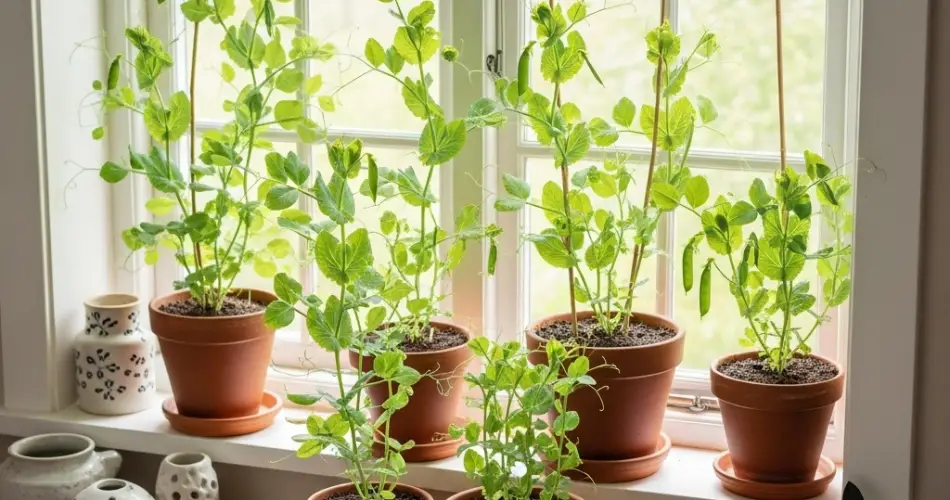
Growing your own peas is easier than you might think—even if you don’t have a traditional garden. With just a pot, some soil, and a sunny spot, you can enjoy a fresh harvest of sweet, crunchy peas right from your balcony, patio, or windowsill. Peas thrive in containers and are perfect for gardeners working with limited space.
Whether you’re interested in shelling peas, snow peas, or snap peas, container growing makes it possible to produce a satisfying crop in even the smallest urban environments. This guide will walk you through everything you need to know to grow healthy, productive pea plants in pots.
Why Grow Peas in Containers?
Peas are ideal for container gardening for several reasons:
-
Space-saving: Great for small balconies, patios, and courtyards
-
Cool-weather crop: Perfect for growing in early spring or fall
-
Easy to manage: Containers reduce issues with weeds and soil-borne diseases
-
Vertical potential: Climbing varieties can grow upwards, using less ground space
-
Kid-friendly: A fun and educational project that yields fast results
With proper care, container-grown peas can produce just as well as those in the ground—sometimes even better, since you can control soil quality and conditions.
Choosing the Right Type of Pea
There are three main types of peas you can grow in pots:
-
Shelling Peas (Garden Peas): These produce round peas inside inedible pods.
-
Snow Peas: Flat, tender pods with small peas inside, often used in stir-fries.
-
Snap Peas: Crunchy, sweet pods that you eat whole, peas and all.
For container growing, look for compact or dwarf varieties, especially if you’re short on vertical space. However, many climbing types also do well in pots with proper trellis support.
Recommended varieties for containers include:
-
Little Marvel (shelling)
-
Sugar Snap (snap pea)
-
Oregon Sugar Pod (snow pea)
-
Tom Thumb (bush type for very small pots)
What You’ll Need
To get started, you’ll need the following:
-
A container at least 8–12 inches deep and 12 inches wide
-
Quality potting mix enriched with compost
-
Pea seeds (choose based on the variety you prefer)
-
A small trellis, bamboo sticks, or garden netting (for climbing types)
-
Watering can
-
A sunny location (peas need 6+ hours of direct sun)
Make sure your container has drainage holes to avoid water buildup, which can lead to root rot.
How to Plant Peas in Pots
-
Prepare the Potting Mix
Fill your pot with a well-draining, nutrient-rich potting mix. Blend in a handful of compost or a slow-release fertilizer before planting. -
Sow the Seeds
-
Plant seeds about 1 inch deep and 2 inches apart.
-
For climbing peas, place seeds near the edge so they can climb the trellis.
-
For bush varieties, space evenly across the container surface.
-
-
Water Gently
After planting, water the soil until it is moist but not soaked. Keep the soil consistently damp until germination occurs in 7–10 days. -
Install Support (If Needed)
If you’re growing vining types, insert a small trellis or bamboo sticks right after planting. This will prevent root disturbance later and help plants climb as they grow.
Caring for Container Peas
-
Light: Peas thrive in full sun, so place your pot where it receives at least 6 hours of sunlight each day.
-
Watering: Keep the soil evenly moist. Water when the top inch feels dry, especially as the plants start to flower and produce pods.
-
Fertilizing: Peas are light feeders. You can fertilize lightly once or twice with a balanced, diluted liquid fertilizer or compost tea.
-
Mulching: A thin layer of straw or dried leaves can help retain moisture and reduce weeds in outdoor pots.
Peas generally prefer cooler weather. In warm climates, plant them in fall or early spring to avoid heat stress.
Common Problems
-
Powdery mildew: This white fungal coating can appear in humid conditions. Improve air circulation and avoid overhead watering.
-
Aphids: These tiny pests can be managed with neem oil or insecticidal soap.
-
Leggy growth: Usually due to low light or crowded conditions. Ensure good spacing and adequate sun.
Harvesting Peas
Peas are typically ready for harvest 60–70 days after planting, depending on the variety. Pick:
-
Snow peas when the pods are flat but fully grown
-
Snap peas when the pods are plump but still tender
-
Shelling peas when the pods feel full and firm
Harvest frequently to encourage more pod production. Use two hands—one to hold the stem and the other to gently pull the pod—to avoid damaging the plant.
Tips for Success
-
Succession planting: Sow a new batch of seeds every 2–3 weeks during the growing season for continuous harvests.
-
Rotate pots every few days to ensure even sunlight if space is tight.
-
Watch for overwatering, especially during cooler spells, as peas dislike soggy roots.
-
Use shallow but wide containers for bush varieties; deeper containers for climbing types.
Final Thoughts
Growing peas in pots is a simple and satisfying way to enjoy fresh, sweet produce—no garden necessary. With just a little space and regular care, you can grow a healthy crop of peas in containers right at home. Whether it’s for a crunchy salad or a handful of pods fresh off the vine, container-grown peas bring freshness, flavor, and a touch of green to even the tightest spaces.


