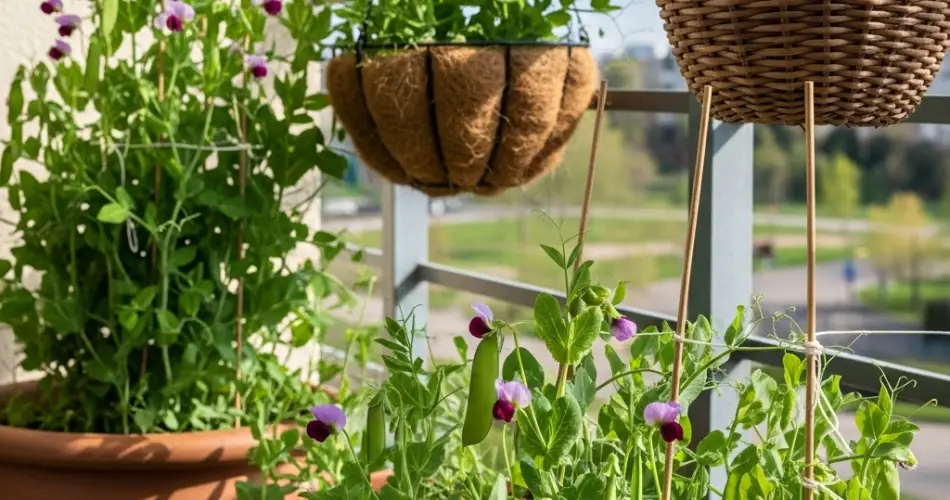
If you’re looking to grow your own vegetables but don’t have access to a traditional garden space, garden peas are the perfect crop to start with. Sweet, crisp, and easy to grow, peas adapt exceptionally well to containers and small-space gardening. Whether you live in an apartment with a balcony or simply want to make use of a sunny patio, you can enjoy a fresh harvest of homegrown peas with just a few pots and a little care.
This guide provides everything you need to know about growing garden peas in containers—from choosing the right variety to harvesting plump, flavorful pods.
Why Grow Peas in Containers?
Container gardening offers flexibility, especially for people with limited outdoor space or less-than-ideal soil. Here’s why peas are a great crop for pots:
-
Compact growth: Many varieties grow as vines or bushy plants that work well in containers.
-
Quick harvest: Peas grow and mature quickly, often ready in just 60–70 days.
-
Cool-season crop: Perfect for early spring or fall when temperatures are mild.
-
Fun for beginners: Easy to plant, care for, and harvest—ideal for new gardeners and kids.
-
Nutrient-rich: Peas are a good source of vitamins A, C, and K, as well as fiber and protein.
Choosing the Right Pea Variety
There are three main types of peas, all of which can be grown in containers:
-
Garden (shelling) peas: Grown for their plump seeds; pods are discarded.
-
Snow peas: Flat pods that are harvested young and eaten whole.
-
Snap peas: Thick, sweet pods eaten whole, similar to snow peas but more robust.
Some excellent container-friendly varieties include:
-
‘Little Marvel’ – A compact garden pea perfect for pots.
-
‘Sugar Snap’ – A popular snap pea with great flavor.
-
‘Dwarf Grey Sugar’ – A small snow pea with attractive flowers and tasty pods.
For small containers, look for dwarf or bush varieties that don’t require tall trellising.
Selecting the Right Container
To grow healthy peas, use a container that provides enough room for roots and allows for proper drainage.
Container guidelines:
-
Depth: Minimum of 8–10 inches
-
Width: 12 inches or more to accommodate multiple plants
-
Material: Plastic pots, fabric grow bags, window boxes, or any food-safe recycled containers
-
Drainage: Ensure there are holes at the bottom to prevent waterlogging
For climbing varieties, install a small trellis, stake, or netting at planting time.
Preparing the Soil
Peas thrive in well-draining, loose, and fertile soil. A lightweight potting mix enriched with organic matter works best.
DIY soil mix for peas:
-
2 parts all-purpose potting soil
-
1 part compost or aged manure
-
Optional: a handful of perlite or vermiculite for added drainage
Avoid heavy garden soil, which can compact in containers and hinder root development.
Planting Garden Peas
Peas prefer cool weather, so plant them in early spring or late summer for a fall harvest. They can tolerate light frost but struggle in hot temperatures.
How to plant:
-
Soak seeds overnight to speed up germination.
-
Plant seeds 1 inch deep and 2 inches apart in rows or circles within the container.
-
Lightly cover with soil and water gently.
-
Keep the soil consistently moist during germination, which usually takes 7–14 days.
Light and Temperature Requirements
Peas grow best in full sun but can also tolerate partial shade, especially in warmer regions. Aim for 6–8 hours of sunlight per day.
Ideal growing temperatures range between 55°F and 70°F (13°C–21°C). In warmer climates, choose a partially shaded spot to protect peas from heat stress.
Watering and Feeding
Container soil dries out faster than garden beds, so regular watering is essential. Keep the soil moist but not waterlogged.
Tips:
-
Water at the base to avoid wetting the foliage.
-
Check moisture daily in warm weather.
Peas are light feeders. Mix compost into the soil at planting time, and you won’t need much additional fertilizer. Avoid high-nitrogen fertilizers, which encourage leafy growth at the expense of pod development.
Supporting the Plants
Most pea varieties benefit from some support to keep vines upright and prevent pods from touching the soil.
Support ideas:
-
Bamboo stakes tied with twine
-
A-frame or vertical trellis
-
Garden netting inside the pot
Install support early to avoid damaging roots later in the season.
Harvesting Peas
Depending on the variety, peas are usually ready for harvest in 60–70 days. Harvest frequently to encourage continued pod production.
Signs it’s time to harvest:
-
Garden peas: Pods are plump but not swollen. Shell and eat the seeds.
-
Snap peas: Pods are full but still tender.
-
Snow peas: Harvest while pods are flat and before seeds develop.
Use scissors or gently pinch the pods from the vine to avoid damaging the plant.
Extending the Harvest
-
Succession planting: Sow new seeds every 2–3 weeks for a continuous supply.
-
Cool weather: Grow a second crop in fall if your climate allows.
-
Companion planting: Pair peas with herbs like mint or vegetables like carrots in nearby containers.
Final Thoughts
Container gardening makes growing crisp, sweet peas accessible to everyone—no matter the size of your living space. With just a container, some good soil, a bit of sunlight, and regular care, you can enjoy the satisfaction of harvesting your own delicious peas right from your balcony or porch.
Whether you prefer snap, snow, or shelling peas, this easy and enjoyable crop offers a taste of the garden even in the heart of the city. Give peas a place in your container garden—you’ll be rewarded with fresh, crunchy pods and a touch of green in your space.


