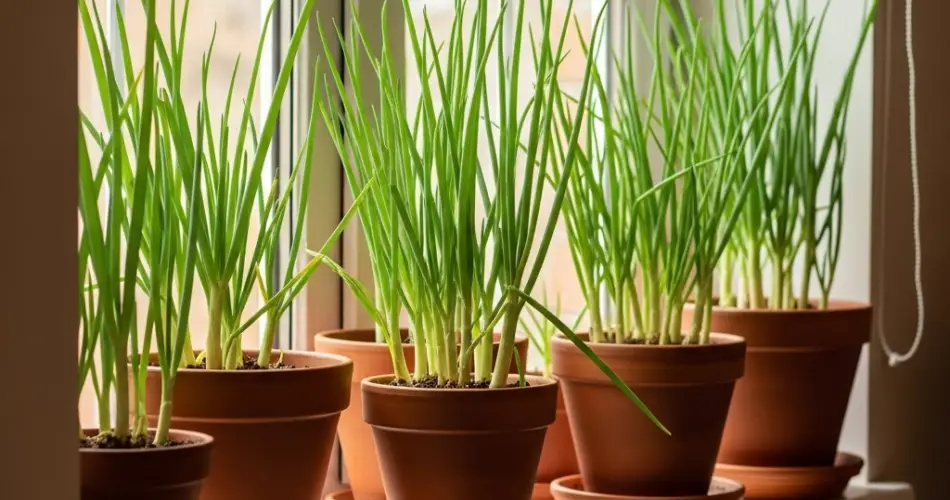
Green onions, also known as scallions or spring onions, are among the easiest vegetables to grow at home—even indoors. With their crisp texture, mild flavor, and versatility in cooking, they’re a popular choice for gardeners of all skill levels. Best of all, green onions don’t require much space or effort. With just a few kitchen pots, a sunny windowsill, and some basic care, you can enjoy a steady supply of fresh, homegrown scallions year-round.
Whether you’re regrowing them from kitchen scraps or starting from seeds, green onions are perfect for container gardening. This guide will walk you through how to grow green onions in pots right in your kitchen.
Why Grow Green Onions Indoors?
Green onions are a great choice for indoor gardening for several reasons:
-
Space-saving: They can be grown in small pots or containers, perfect for windowsills or countertops.
-
Fast-growing: Green onions grow quickly, and you can start harvesting in just a few weeks.
-
Low maintenance: Minimal care and resources are needed to keep them growing.
-
Regrow from scraps: You can regrow them from leftover root ends, reducing food waste.
-
Fresh and flavorful: Harvesting your own means fresher produce for cooking any time.
Their slender stalks also add a touch of greenery to indoor spaces and are a fun project for kids and beginners alike.
What You’ll Need
To grow green onions in kitchen pots, you’ll need:
-
A small pot (4–6 inches deep) with drainage holes
-
Quality potting mix or a mix of compost and garden soil
-
Green onion seeds, sets, or store-bought onions with roots
-
A saucer or tray to catch water
-
A sunny windowsill or spot with 4–6 hours of light per day
-
A watering can or spray bottle
If you plan to grow multiple green onions at once, use a wider container or several small pots.
Planting from Seeds
-
Prepare the Pot: Fill your container with potting mix, leaving about an inch of space from the rim.
-
Sow the Seeds: Sprinkle seeds evenly over the soil surface, then lightly cover with ¼ inch of soil.
-
Water Gently: Use a spray bottle or watering can with a gentle spout to moisten the soil. Keep it consistently damp but not soaked.
-
Place in Sunlight: Position your pot on a sunny windowsill or under a grow light.
-
Germination: Seeds typically sprout within 7–10 days. Once seedlings appear, thin them to about 1–2 inches apart.
Regrowing from Kitchen Scraps
If you already have green onions from the store:
-
Trim the Tops: Use the green part for cooking and keep the white bulbs with roots attached.
-
Place in Water (Optional): Set the root ends in a glass with just enough water to cover the roots. Leave them on the windowsill until green shoots emerge.
-
Plant in Soil: Once shoots reach 2–3 inches, transfer them to a pot filled with moist soil. Bury the roots and base, leaving the green tops exposed.
-
Water and Place in Sunlight: Keep the soil moist and ensure they receive enough light.
This method allows you to recycle your kitchen scraps into a productive indoor plant with minimal cost.
Daily Care and Maintenance
-
Light: Green onions need about 4–6 hours of sunlight per day. If natural light is limited, consider using a grow light.
-
Watering: Keep the soil slightly moist. Check daily, especially in warm or dry environments. Avoid overwatering, which can lead to rot.
-
Feeding: Use diluted liquid fertilizer or compost tea every 2–3 weeks to promote healthy growth, especially if harvesting frequently.
-
Air Circulation: Good airflow helps prevent mold and pests. Crack a nearby window or run a small fan if the air feels stagnant.
Harvesting Green Onions
Green onions are typically ready to harvest 3–4 weeks after planting, depending on how thick and tall you like the stalks.
-
Harvest Method: Use scissors or a knife to snip the green tops, leaving about 1 inch above the soil or root.
-
Continuous Harvesting: The plant will regrow after each cut, allowing for several harvests from the same plant. Just be gentle and don’t cut too low.
If growing from seed, you can also harvest entire plants and re-seed as needed.
Common Issues and Solutions
-
Leggy Growth: This means the plant is stretching for light. Move the pot to a sunnier spot or use a grow light.
-
Yellowing Leaves: Can result from overwatering or poor drainage. Let the topsoil dry out slightly before watering again.
-
Fungal Growth or Mold: Ensure the pot has proper drainage, avoid overwatering, and improve air circulation.
Tips for Success
-
Grow multiple batches in staggered intervals for a continuous supply.
-
Rotate pots every few days to ensure even sunlight.
-
Replenish nutrients by refreshing soil or adding compost occasionally.
-
Combine with herbs like parsley or basil in the same pot for a mini indoor herb garden.
Final Thoughts
Green onions are one of the most rewarding and fuss-free vegetables you can grow indoors. Whether from seed or regrown scraps, they require minimal space, time, and resources—and they keep giving back with each cut. With a sunny spot, regular watering, and occasional feeding, you’ll have a steady supply of fresh, flavorful scallions right at your fingertips, perfect for garnishing dishes or tossing into your favorite meals. Growing green onions in kitchen pots is a smart, simple step toward sustainable and convenient home gardening.


