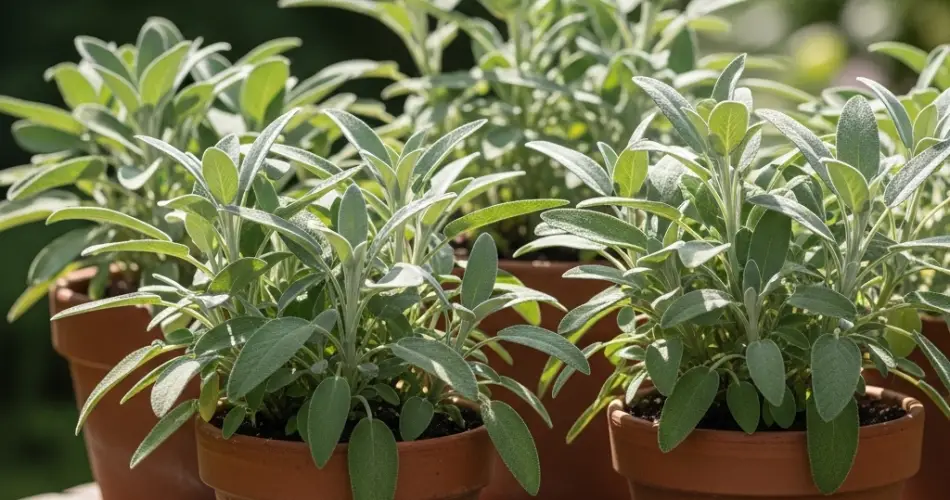
Sage (Salvia officinalis) is a wonderfully aromatic, flavorful, and resilient herb that thrives in containers. A staple in many culinary traditions and valued for its medicinal properties, sage is also an attractive addition to any patio or balcony garden. Growing sage in pots is ideal if you’re short on garden space or want a convenient herb within arm’s reach of your kitchen. Here’s a simple guide to help you grow healthy, thriving sage plants in containers.
Why Grow Sage in Pots?
Container gardening offers multiple benefits, especially for herbs like sage. Pots allow better control over soil quality, drainage, and sunlight exposure. Additionally, keeping sage in a pot makes it easier to move indoors during winter in colder climates or to shift around to catch more sun.
Choosing the Right Pot
Sage grows best in a pot that provides ample drainage and room for root development. Choose a container that is at least 10–12 inches (25–30 cm) in diameter. Terracotta pots are especially good because they are porous, helping the soil to dry out more efficiently between waterings—something sage prefers.
Ensure the pot has several drainage holes to prevent waterlogging, which can lead to root rot. You may also place small stones or gravel at the bottom before adding soil to enhance drainage.
Soil Requirements
Sage prefers well-draining, light, and slightly sandy soil with a neutral to slightly alkaline pH (around 6.5 to 7.5). You can use a standard potting mix but improve drainage by mixing in perlite, coarse sand, or cactus mix. Avoid heavy or moisture-retentive soils, which can lead to fungal problems and poor plant health.
Planting Sage
You can grow sage from seeds, cuttings, or nursery transplants. While starting from seeds is economical, it takes longer for plants to mature. For quicker results, purchase a healthy transplant or root a cutting from an established plant.
To plant, fill the container with the prepared soil mix, leaving about an inch below the rim. Plant the sage at the same depth it was growing in its original container. Gently firm the soil around the base and water thoroughly after planting.
Light and Temperature
Sage is a sun-loving plant. Aim to place your pot where it receives at least 6–8 hours of direct sunlight per day. If you’re growing sage indoors, choose a bright south- or west-facing window. Supplemental grow lights can help if natural sunlight is insufficient.
Sage prefers moderate temperatures. It grows well in USDA zones 5–9, though in colder areas, bringing the pot indoors before the first frost can extend its life. Indoors, keep it in a cool room to mimic outdoor conditions, and reduce watering during winter dormancy.
Watering and Feeding
Sage is drought-tolerant and prefers to be kept on the dry side. Allow the top inch of soil to dry out between waterings. Avoid overwatering, which is a common mistake when growing herbs in containers.
Fertilizing is not necessary if you start with quality soil, but you can feed sage once a month during the growing season with a diluted, balanced organic fertilizer. Avoid over-fertilizing, as this can lead to leggy growth and reduced flavor.
Pruning and Harvesting
Regular pruning helps keep your sage plant healthy and bushy. Pinch off the tips of the stems to encourage branching. You can begin harvesting once the plant has enough mature leaves—typically after it reaches about 6 inches in height.
To harvest, snip individual leaves or cut entire stems from the top, always leaving enough foliage so the plant can continue to grow. Sage leaves can be used fresh or dried for later use. Dry them by hanging small bunches upside down in a warm, airy space.
Pests and Problems
Sage is relatively pest-resistant but can occasionally be affected by aphids, spider mites, or fungal diseases if overwatered. Regularly inspect your plant for any signs of pests or yellowing leaves. Ensure proper airflow around the pot and avoid wetting the leaves when watering.
If pests appear, remove them manually or treat the plant with a mild insecticidal soap. Fungal problems can often be resolved by adjusting watering habits and ensuring the pot is in a well-ventilated area.
Overwintering Tips
In cold climates, bring potted sage indoors before frost sets in. Reduce watering and stop fertilizing during the winter months. With the right care, sage can live several years, even in pots. Trim back any leggy or dead growth in early spring to encourage fresh shoots.
Final Thoughts
Sage is a hardy, low-maintenance herb that adapts well to container life. With proper sunlight, well-drained soil, and mindful watering, you can enjoy its beauty and benefits all year round. Whether you’re seasoning a roast or brewing a soothing tea, having fresh sage just outside your door is a rewarding part of home gardening.


