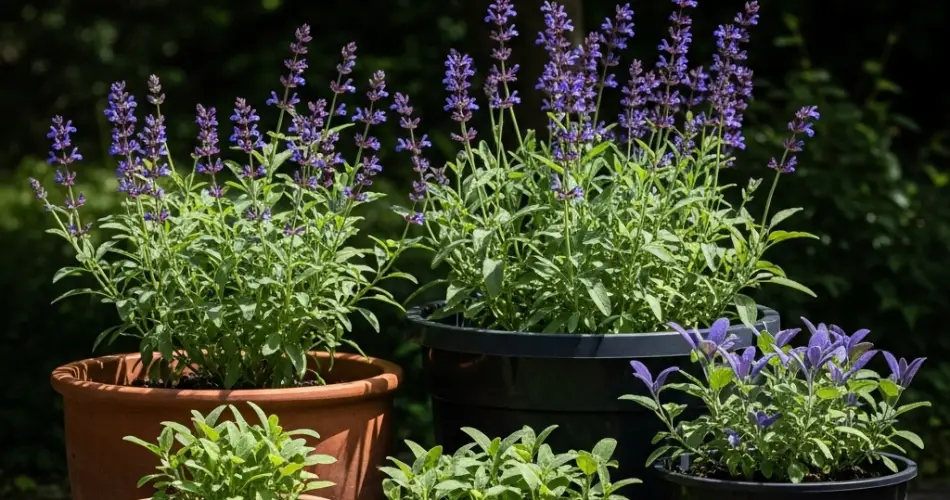
Sage is a highly aromatic and flavorful herb that thrives in containers, making it a perfect addition to any small garden, balcony, or sunny windowsill. Whether you’re an experienced gardener or just starting out, growing sage in containers is simple, satisfying, and incredibly useful for both culinary and medicinal purposes. With the right care and conditions, your sage plant will flourish, providing you with fresh leaves throughout the year.
Why Choose Containers for Growing Sage?
Growing sage in containers offers several advantages, especially for those living in apartments or homes with limited outdoor space. Containers give you control over soil quality and drainage, help manage pests more effectively, and allow you to move your plants to take advantage of the best sunlight. They’re also ideal for keeping perennial herbs like sage contained and tidy.
Choosing the Right Container
Sage prefers well-draining soil and doesn’t like having “wet feet,” so it’s essential to choose a pot that has good drainage holes. Terracotta pots are especially suitable as they are porous and help regulate moisture levels in the soil. A container that is at least 8 to 12 inches deep and wide will allow enough room for the roots to grow and the plant to spread comfortably.
Soil Requirements
Sage thrives in slightly sandy, well-draining soil with a neutral to slightly alkaline pH. You can use a standard potting mix combined with sand or perlite to improve drainage. A good mix would be two parts potting soil to one part coarse sand or perlite. Avoid using heavy garden soil or compost that retains too much moisture.
Starting Sage from Seeds or Cuttings
You can grow sage from seeds, but starting with cuttings or nursery-grown transplants is faster and more reliable. If using seeds, sow them on the surface of the soil and press them down lightly. Keep the soil moist and warm, and germination should occur within 2 to 3 weeks.
For cuttings, take a 4 to 6-inch stem from a healthy sage plant. Remove the leaves from the bottom half, and place the stem in water or directly into moist soil. In a few weeks, roots will form, and you can transplant the new plant into a container.
Light and Placement
Sage loves full sun and needs at least 6 to 8 hours of direct sunlight daily to thrive. Place your container in a sunny location such as a south-facing balcony, patio, or windowsill. If growing indoors, supplement natural light with a grow light during the darker months to keep the plant healthy.
Watering Tips
Sage prefers dry conditions and does not need frequent watering. Water the plant deeply, but only when the top inch of soil feels dry. Overwatering can lead to root rot, a common problem with container herbs. In hot weather, check the soil more often, as containers dry out faster than garden beds.
Pruning and Harvesting
Prune sage regularly to encourage bushier growth and prevent the plant from becoming woody. Begin harvesting once the plant has reached about 6 inches in height. Pinch or cut the top leaves, avoiding more than one-third of the plant at a time to keep it healthy.
Regular harvesting not only supplies you with fresh leaves but also stimulates new growth. The leaves are most flavorful before the plant starts to flower. If you’re not using the leaves right away, you can dry them for long-term storage.
Fertilization
Sage doesn’t require heavy feeding. Apply a balanced, water-soluble fertilizer once every four to six weeks during the growing season. Be cautious not to over-fertilize, as this can lead to overly lush growth with reduced flavor.
Overwintering Sage in Containers
In colder climates, sage is hardy but can suffer if left outdoors in containers during freezing temperatures. You can bring the pot indoors and place it in a sunny window during winter, or provide protection by insulating the pot with straw or fabric. Alternatively, move the container to a sheltered, frost-free spot.
Common Pests and Diseases
Sage is generally pest-resistant, but you may occasionally encounter aphids, spider mites, or fungal issues due to excess moisture. Ensure good airflow around the plant, avoid overhead watering, and inspect leaves regularly. Use organic solutions like neem oil or insecticidal soap if pests appear.
Final Thoughts
Sage is a rewarding herb to grow in containers, especially for those with limited space. With minimal care, it will provide fragrant, flavorful leaves that elevate your cooking and support your well-being. Whether perched on a windowsill or nestled on a small balcony, a sage plant in a container is a smart and space-efficient way to enjoy fresh herbs year-round.


