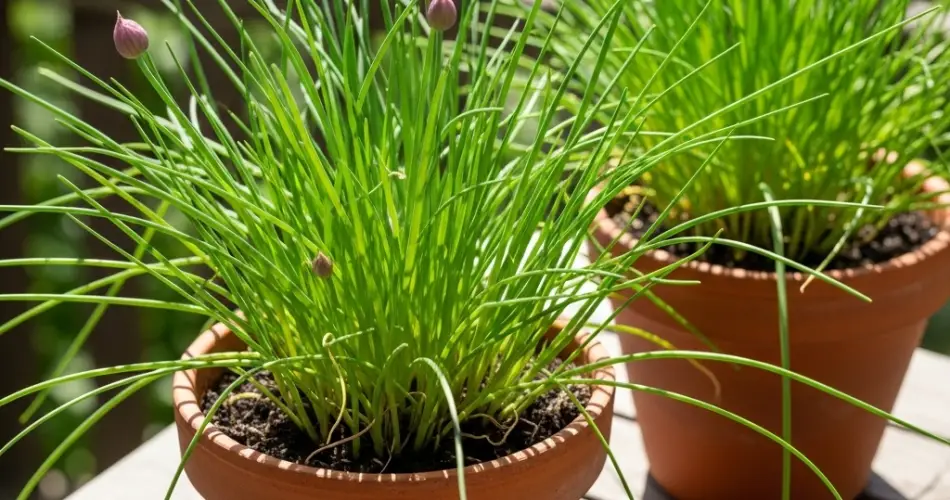
Chives (Allium schoenoprasum) are one of the easiest herbs to grow in containers, making them perfect for home gardeners with limited space. Their delicate onion-like flavor is ideal for soups, salads, eggs, and more, and having a pot of fresh chives just steps from your kitchen means you’ll always have this versatile herb at your fingertips. Whether on a balcony, windowsill, or patio, growing chives in pots is a practical and satisfying choice.
Why Grow Chives in Pots?
Chives thrive in containers, and potted growth gives you the advantage of moving them around to maximize sun exposure or protect them from the elements. Container growing also helps manage soil quality, drainage, and pests more effectively than in-ground planting. For those in apartments or urban settings, a pot of chives offers a simple way to bring greenery and flavor into everyday life.
Selecting the Right Container
Chives don’t require deep pots, as their roots are shallow, but they do appreciate a wide container that allows for clump expansion. A pot about 6–8 inches deep and 8–10 inches wide is ideal. Clay or terracotta pots are a great choice because they allow excess moisture to evaporate and prevent root rot.
Ensure the pot has proper drainage holes at the bottom. You can also place a layer of small stones or gravel at the base before adding soil to further improve drainage.
Choosing the Right Soil
Chives grow best in rich, well-draining soil. Use a quality potting mix amended with compost to provide the nutrients needed for healthy leaf production. The soil should retain moisture but not become soggy. Avoid garden soil, which may compact in containers and limit root development.
A slightly acidic to neutral pH between 6.0 and 7.0 is ideal. Mixing in a small amount of sand or perlite can help improve drainage.
Planting Chives
Chives can be grown from seed, divisions, or transplants. While starting from seed is possible, it takes longer for the plant to mature. Transplants or root divisions from existing plants give quicker results.
If planting seeds, sow them about 1/4 inch deep in the soil and keep the surface consistently moist until germination occurs—typically within 10–14 days. For divisions, plant clumps spaced at least 6 inches apart if you’re using a large container.
Water thoroughly after planting to help the roots settle into their new environment.
Light and Temperature Needs
Chives love sunlight. Place your pot where it will receive at least 6 hours of direct sun daily. If growing indoors, a south-facing window is ideal. Chives can tolerate partial shade, but growth may be slower and less robust.
They are hardy perennials in zones 3–10, so they can survive cold winters outdoors. However, overwintering indoors will provide a steady supply of fresh greens year-round.
Watering and Fertilizing
Chives prefer consistent moisture but dislike sitting in soggy soil. Water when the top inch of soil feels dry. During hot summer months, you may need to water more frequently, especially if the pot is small or gets full sun exposure.
Fertilize lightly once a month during the growing season with a balanced liquid fertilizer or compost tea. Over-fertilizing can reduce flavor intensity, so moderation is key.
Pruning and Harvesting
Harvest chives regularly to encourage new, tender growth. Use clean scissors to snip leaves about 1–2 inches above the soil line. Avoid cutting all the way to the base, as this can weaken the plant.
Frequent trimming keeps the plant bushy and productive. If you notice flower buds forming, snip them off unless you want to collect seeds or enjoy the purple blooms, which are also edible.
Pest and Disease Management
Chives are relatively pest-resistant, but aphids and thrips may occasionally appear. Rinse them off with a strong spray of water or treat with mild insecticidal soap if necessary.
Fungal diseases such as downy mildew can occur if the foliage remains wet for long periods. Ensure good air circulation around the plant and avoid overhead watering to minimize this risk.
Overwintering Tips
In colder regions, you can bring the pot indoors before the first frost to keep the chives growing year-round. Place the pot in a cool, bright location, and reduce watering during the dormant winter period. Chives will resume vigorous growth as daylight increases in spring.
Alternatively, if left outdoors, chives will die back in winter and regrow in spring. Protect outdoor pots by mulching or placing them in a sheltered area.
Final Thoughts
Growing chives in pots is a simple and rewarding way to add fresh flavor to your cooking while keeping your garden manageable. With minimal care, chives will reward you with continuous harvests and vibrant greenery throughout the year. Whether on a kitchen windowsill or a sunny balcony, a pot of chives is an herb garden essential that delivers both beauty and taste.


