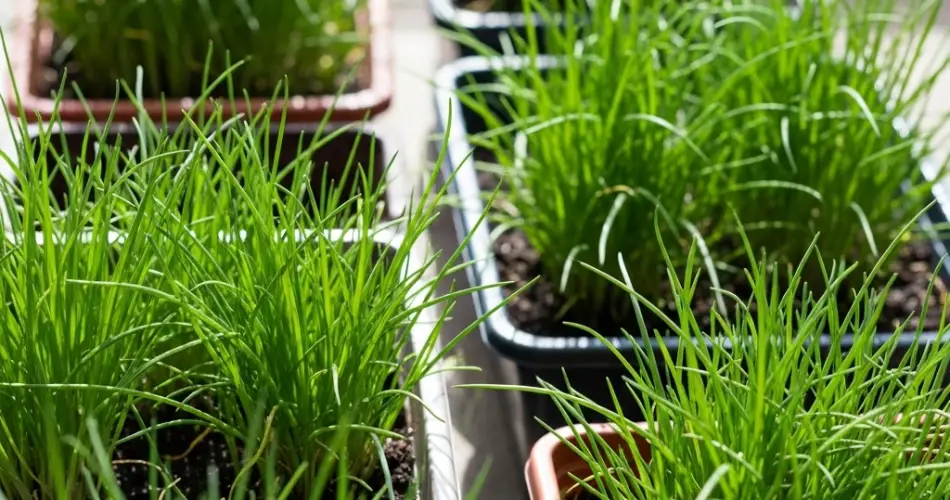
Chives are among the easiest and most rewarding herbs to grow in containers. Their slender, green stalks not only add a fresh, onion-like flavor to your meals but also produce attractive purple blooms in spring, making them a beautiful and functional addition to small-space gardens. Whether you’re working with a balcony, windowsill, or patio, maintaining lush chives in containers is simple with the right care techniques.
Choosing the Right Container
To start, select a container that is at least 6 to 8 inches deep with a wide surface area. Chives grow in clumps, so giving them room to spread will ensure they stay healthy and productive. Ensure the pot has sufficient drainage holes at the bottom, as chives do not tolerate waterlogged soil. Terracotta or clay pots work well because they allow the soil to breathe, preventing excess moisture buildup.
Ideal Soil Mix
Chives prefer fertile, well-draining soil rich in organic matter. Use a high-quality potting mix and consider adding some compost or worm castings for an extra boost of nutrients. Avoid garden soil, which is often too dense and may compact in containers. A good potting mix ratio might include two parts potting soil, one part compost, and one part perlite or coarse sand to improve drainage.
Planting Chives: Seeds vs. Transplants
You can grow chives from seeds or transplant divisions from an existing plant. Starting from seeds requires patience, as germination can take up to 14 days. Sow seeds lightly over moist soil and cover them with a thin layer of the mix. Keep the soil consistently moist and place the container in a warm, sunny spot.
Transplants, on the other hand, offer quicker results. You can buy young chive plants from nurseries or divide a mature clump by pulling it apart gently and replanting in separate pots. Dividing every couple of years helps rejuvenate the plant and encourages more vigorous growth.
Light and Temperature Requirements
Chives need plenty of sunlight to remain lush and healthy. Aim for 6 to 8 hours of direct sunlight each day. If growing indoors, place your container on a bright windowsill or under a grow light. Chives tolerate a range of temperatures but grow best in the 60–75°F (15–24°C) range. In cooler seasons, they may go dormant, but they’ll bounce back with proper light and watering.
Watering Schedule
Chives prefer evenly moist soil but are sensitive to overwatering. Let the top inch of soil dry out between waterings to avoid root rot. In hot weather, check moisture levels daily, especially in smaller containers that dry out quickly. Use a watering can with a narrow spout to direct water to the base of the plant and avoid wetting the foliage excessively.
Feeding and Fertilizing
To keep chives lush and productive, apply a balanced liquid fertilizer every four to six weeks during the growing season. Over-fertilizing can lead to excessive leaf growth with less flavor, so keep feedings moderate. Organic options such as compost tea or fish emulsion work well and support long-term soil health.
Pruning and Harvesting Tips
Regular harvesting is key to maintaining lush chives. Begin trimming when the plant reaches about 6 inches in height. Use scissors to cut the leaves about 1 to 2 inches above the soil line, and never cut more than one-third of the plant at once. Frequent trimming encourages new growth and prevents the plant from becoming woody or sparse.
Remove any yellowing or withered leaves promptly to keep the plant tidy and healthy. If your chives start to produce flower buds and you want to prolong leaf production, pinch the buds off before they bloom. However, if allowed to flower, the edible purple blossoms are a lovely garnish and attract pollinators.
Overwintering and Seasonal Care
Chives are perennial and can survive cold winters, especially if protected. If you live in a cold climate, bring the container indoors during freezing temperatures, or place it in a sheltered spot like a garage or greenhouse. During dormancy, reduce watering and allow the plant to rest. In early spring, resume regular care, and the plant will begin to regrow.
You can also divide the plant every two to three years to rejuvenate the root system. Gently remove the chives from the container, separate the clumps with your hands or a knife, and replant them in fresh soil. This process boosts plant vigor and prevents overcrowding.
Pest and Disease Prevention
Chives are relatively pest-resistant, but occasionally you may see aphids, thrips, or fungal issues. To prevent these problems, provide good airflow around the plant and avoid wetting the foliage when watering. If pests appear, rinse them off with water or use a mild insecticidal soap. Trim away any affected leaves to stop the spread of disease.
Final Thoughts
Chives are a must-have herb for container gardeners due to their low maintenance needs, continuous harvests, and attractive appearance. With the right container, well-draining soil, and consistent care, you can enjoy a thriving chive plant that adds flavor and beauty to your small-space garden year-round. Whether you snip a few sprigs for your salad or enjoy their purple blossoms in spring, lush chives will always earn their spot in your herb garden.


