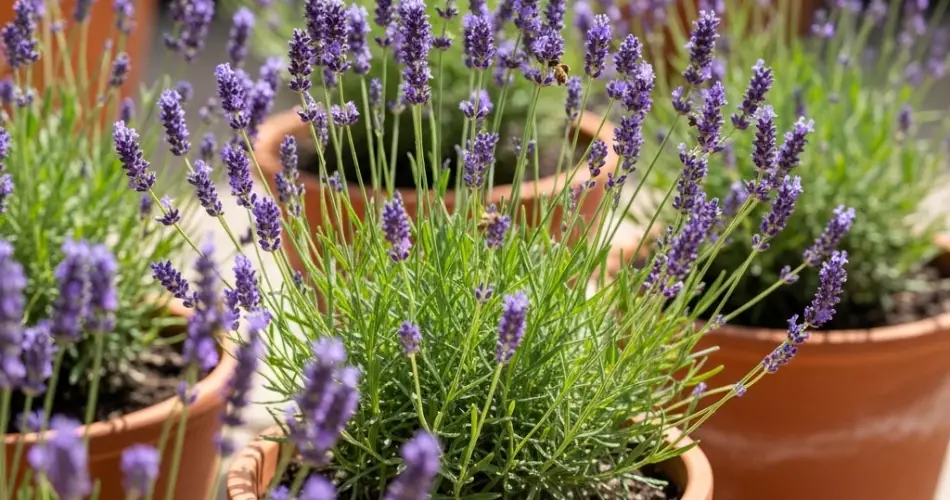
Lavender (Lavandula spp.) is one of the most beloved herbs for both its soothing fragrance and charming appearance. Whether you’re growing it for ornamental purposes, to attract pollinators, or to use in home remedies and crafts, lavender makes an excellent container plant. With the right pot, soil, and care, you can successfully grow lush, blooming lavender on balconies, patios, or sunny windowsills.
Here’s a complete guide to growing lavender in pots for long-lasting blooms and beautiful fragrance.
Why Grow Lavender in Pots?
Growing lavender in containers offers several advantages. It allows you to control the soil type and drainage more precisely, move the plant to chase the sun, and even bring it indoors during colder months if you live in a region with harsh winters.
Some lavender varieties are not winter-hardy in colder zones, so pot cultivation makes it easier to overwinter the plant indoors. In addition, containers help restrict overly vigorous root spread, keeping the plant compact and manageable.
Choosing the Right Lavender Variety
Not all lavender types are equal when it comes to container gardening. Some varieties stay smaller and are better suited for pots. Consider these compact and container-friendly options:
-
Lavandula angustifolia (English lavender): Cold-hardy and aromatic; ideal for culinary and ornamental use.
-
Lavandula stoechas (Spanish lavender): Distinctive flower heads; more heat-tolerant but less cold-hardy.
-
Lavandula dentata (French lavender): Decorative foliage and blooms; thrives in warm climates.
Choose a variety that suits your climate and space.
Selecting the Best Pot
Lavender dislikes wet roots, so excellent drainage is essential. Choose a container made from porous materials like terracotta or unglazed clay to help wick away excess moisture. The pot should be at least 12–16 inches in diameter and have multiple drainage holes.
Avoid deep pots unless you’re growing a larger lavender variety. A wide, shallow pot is usually best for encouraging root spread and airflow.
Soil Requirements
Lavender grows best in sandy, well-drained, slightly alkaline soil. Standard potting soil tends to be too rich and moisture-retentive for lavender, so it’s best to amend it. Mix:
-
2 parts light potting soil
-
1 part coarse sand or perlite
-
Optional: a small handful of lime to raise the pH
Avoid compost-heavy mixes or moisture-control soil blends, which can hold too much water and cause root rot.
Planting Lavender in a Pot
To plant, fill your container with the prepared soil mix, leaving about an inch of space below the rim. Gently remove the lavender from its nursery pot and loosen the root ball slightly before placing it in the center.
Set the plant so that the base of the stem sits just above the soil line. Firm the soil around it and water deeply after planting. Let the pot drain completely.
Sunlight and Temperature Needs
Lavender is a sun-loving herb that thrives in full sun. Ensure your potted lavender receives at least 6–8 hours of direct sunlight daily. Place your container in the sunniest spot available—preferably a south-facing patio or balcony.
Lavender is heat- and drought-tolerant, but most types prefer mild, dry climates. If growing indoors, place the plant near a bright, sunny window, and rotate it occasionally to ensure even growth.
Watering and Feeding
Lavender prefers to stay on the dry side. Water only when the top 1–2 inches of soil are dry. Be cautious not to overwater, as this is a common cause of failure in container-grown lavender.
During the growing season, feed your lavender lightly once a month with a low-nitrogen, slow-release fertilizer or a diluted liquid fertilizer suitable for herbs. Avoid overfeeding, which can promote excessive foliage at the expense of flowers and scent.
Pruning and Maintenance
To keep your potted lavender healthy and blooming, regular pruning is essential. After the first flowering, trim back the flower stems to encourage more blooms. At the end of the season—usually late summer or early fall—cut the plant back by about one-third, shaping it into a compact mound.
Remove any woody or dead growth and always leave some green stems to encourage new growth the following season.
Pests and Problems
Lavender is naturally pest-resistant, thanks to its aromatic oils. However, it can occasionally suffer from fungal diseases if kept too wet or in poor air circulation. Root rot is the most common problem in pots, so good drainage is critical.
Make sure your pot is not standing in a saucer of water and avoid misting the foliage.
Overwintering Lavender in Pots
If you live in a region with freezing winters, bring your potted lavender indoors before the first frost. Place it in a bright, cool room and reduce watering significantly. Alternatively, insulate the pot and place it in a sheltered outdoor area if your lavender variety is cold-hardy.
In spring, move the pot back outdoors gradually to reintroduce it to direct sunlight.
Final Thoughts
Lavender in pots not only adds color and fragrance to small spaces, but it also gives you the flexibility to move and care for the plant with ease. With the right conditions—sunlight, soil, and a little pruning—you’ll enjoy fragrant blooms season after season. Whether you use it in sachets, teas, or bouquets, having a thriving pot of lavender nearby brings a touch of relaxation and beauty to your everyday life.


