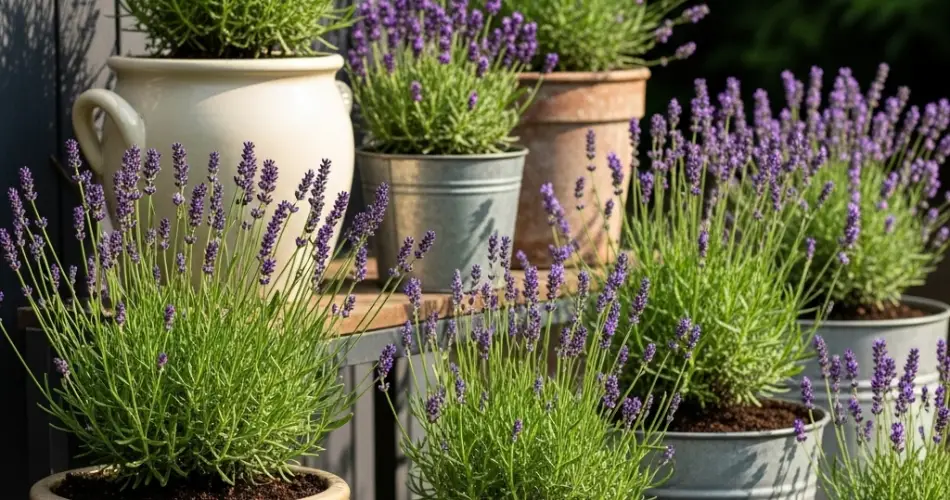
Lavender is a fragrant and beautiful herb cherished for its soothing scent, vibrant blooms, and versatility in everything from cooking to home decor. While it’s commonly grown outdoors, lavender also thrives indoors when given the right care. Growing lavender in containers indoors is a fantastic way to enjoy its calming presence year-round, even in small spaces or colder climates.
Here’s a detailed guide on how to grow and maintain healthy lavender plants in containers inside your home.
Choosing the Right Lavender Variety
Not all types of lavender are ideal for indoor growing. The best varieties for containers are compact and better suited to limited space and indoor conditions. Some recommended options include:
-
Lavandula angustifolia (‘English lavender’) – Popular and fragrant, grows well in containers with enough light.
-
Lavandula dentata (‘French lavender’) – Has a slightly lighter scent and tolerates indoor conditions better.
-
Lavandula stoechas (‘Spanish lavender’) – Known for its distinct flower shape, it adds decorative charm.
Choose a variety that fits your space and scent preference, and ensure it’s labeled as suitable for pot cultivation.
Selecting the Right Container
Lavender requires excellent drainage, so your container should have multiple drainage holes at the bottom. A pot that is at least 12 inches in diameter is ideal to allow root development and airflow around the plant. Terra cotta or clay pots are highly recommended because they are porous and help prevent overwatering by allowing moisture to evaporate naturally.
Best Soil Mix for Lavender
Lavender thrives in light, sandy, and well-draining soil. Standard potting mix tends to retain too much moisture, which can lead to root rot. Instead, use a custom mix like:
-
2 parts cactus or succulent potting mix
-
1 part coarse sand or perlite
-
Optional: Add a spoonful of lime to raise the pH slightly, as lavender prefers a neutral to slightly alkaline soil (pH 6.7 to 7.3).
Good drainage is critical, so avoid soil mixes that are heavy with peat or compost.
Light Requirements
Lavender needs full sun—at least 6 to 8 hours of bright, direct sunlight daily. Indoors, this means placing your container near a south-facing window where it will receive ample light throughout the day.
If natural light is limited, consider using a full-spectrum grow light to supplement. Keep the light on for 12–14 hours daily to mimic outdoor sunlight conditions. Without enough light, lavender may grow leggy, bloom less, or lose its scent.
Watering and Humidity
Lavender is drought-tolerant and prefers its soil to be on the dry side. Water only when the top inch of the soil feels dry to the touch. Be cautious of overwatering—soggy soil can quickly lead to root rot.
Indoors, lavender also prefers low to moderate humidity. Avoid placing it in overly humid rooms like bathrooms or near a humidifier. Good air circulation around the plant helps prevent mildew and fungal diseases.
Feeding and Fertilizing
Lavender doesn’t require heavy feeding. In fact, too much fertilizer can cause excessive foliage growth at the expense of flowers and fragrance. Use a diluted, balanced liquid fertilizer once a month during the growing season (spring through early autumn). Skip feeding during winter when the plant is in its dormant phase.
Pruning and Maintenance
Regular pruning encourages bushier growth and more blooms. After the flowering season or once the plant becomes leggy, trim back about one-third of the plant’s height. Remove any dead or woody stems and spent flowers to maintain a tidy shape.
Indoor lavender may bloom less than outdoor plants, but pruning still keeps the plant vigorous and compact.
Winter and Dormancy Care
Lavender goes dormant during the winter months, even indoors. Growth slows, and blooming may stop. During this time, reduce watering frequency and stop fertilizing. Place the container in a cooler spot with bright light to support its natural cycle. Come spring, the plant will begin growing actively again.
Dealing with Pests and Problems
Lavender is relatively pest-resistant, but when grown indoors, it may attract occasional pests like spider mites or aphids. Check the leaves regularly and rinse them with water or use neem oil if pests appear.
Yellowing leaves or root rot usually indicate overwatering or poor drainage. Ensure your soil dries out between waterings and your container has proper drainage holes.
Final Thoughts
Growing lavender indoors in containers is not only possible but incredibly rewarding. With plenty of sunlight, the right soil, and careful watering, your lavender plant can thrive and add fragrance, color, and charm to your home. Whether you place it in your kitchen, living room, or bedroom, indoor lavender is a delightful way to bring a bit of nature’s calm indoors.


